Career Training

A lucrative career can start right at community college. Consider the many smart career options that await after completing community college training programs. From horticulture to the music industry, culinary arts to aerospace, we cover the latest hiring practices, job requirements and trends in the job market.

View the most popular articles in Career Training:

New 2025 National Initiative to Boost Graduation Rates

Updated
|
New 2025 National Initiative to Boost Graduation Rates
A 2025 federal and nonprofit–led initiative aims to raise college completion through holistic supports, linking education and workforce alignment.

New National Initiative Designed to Ramp Up Graduation Rates (2025 Update)

In 2025, as U.S. higher education faces tectonic pressures from demographic shifts, declining enrollments, and rising skepticism around the value of a degree, a new national initiative is emerging to accelerate graduation rates, especially at community colleges and broad-access institutions. This article updates earlier reporting, digs into evolving strategies, and assesses early impact as the initiative begins to scale.

Rationale and Context: Why Now?

The urgency of boosting completion has intensified in recent years. According to the National Student Clearinghouse, spring 2025 enrollment rose by 3.2 percent over spring 2024, led by a 5.4 percent rebound in community college enrollments. But that resurgence comes amid a long-term demographic shift: WICHE projects that the high school–graduate population will likely peak in 2025 and then decline in most states — heightening competition among institutions for new students. WICHE

Meanwhile, graduation rates remain stubbornly modest when full timelines and nontraditional students are counted. For example, among first-time, full-time bachelor’s-degree seekers, 64 percent finish within six years. Community colleges fare worse: fewer than 20 percent of community college students complete in two years. Complete College America Many students struggle with accumulating debt, noncredit prerequisites, work demands, or lack of advising and pathway clarity.

Against that backdrop, the new initiative—centered around scalable student support, data alignment, and institutional capacity building—is shaping up to be a turning point.

Anatomy of the 2025 Initiative

The new national
. . .read more

Community College Success Stories Parents Should See

Updated
|
Community College Success Stories Parents Should See
Inspiring community college alumni stories and guidance—insights every parent should know about community college success.

Community colleges often carry a misperception: that they are fallback options—or short-term stepping stones with limited outcomes. Yet, beneath the stereotypes lie rich stories of transformation, resilience, and generational change. For parents guiding teens or adult learners, the success stories of community college alumni offer powerful lessons and real-world proof of what’s possible.
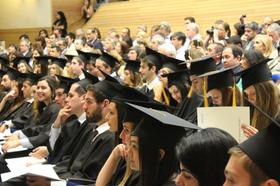
This article highlights current (2025-2026) examples and themes, backed by data and expert insights, to help parents see community college not as second best—but as a viable pathway to long-term success.

Why Parents Should Pay Attention to Community College Paths

  1. Cost-efficient and flexible
    Community colleges generally offer far lower tuition than four-year institutions, making them attractive for families mindful of debt. They also offer high flexibility—night classes, hybrid formats, and part-time schedules—making them ideal for working students, parents, or those needing to balance other commitments.

  2. Transfer and degree pathways
    Many community colleges offer guaranteed or guided transfer agreements with four-year universities. These articulation agreements smooth the transition to bachelor's degree programs. Some also offer “university center” models so students can complete a four-year degree while staying on the community college campus. For example, Macomb Community College supports degree completion through its University Center model. ( Wikipedia )

  3. Career and technical education
    Beyond transfer, community colleges often provide strong career and technical education (CTE). Alumni can emerge with industry-ready skills or certifications, ready to enter the job market or

. . .read more

Short-Term Credentials & Micro-Certifications: Worth the Investment?

Updated
|
Short-Term Credentials & Micro-Certifications: Worth the Investment?
Explore whether short-term credentials and micro-certifications deliver value in today’s job market—pros, risks, and smart strategies.

Short-Term Credentials & Micro-Certifications: Are They Worth It in Today’s Job Market?

In 2025, the education and workforce landscape is changing rapidly. While traditional degrees remain valuable, short-term credentials—such as micro-certifications, digital badges, and industry-specific certificates—are gaining momentum as a way to upskill quickly, pivot careers, or boost job readiness. But are these credentials truly worth the investment? This article examines the current realities, opportunities, and risks for students, parents, and educators.

What Are Short-Term Credentials and Micro-Certifications?

Short-term credentials: Certificates, diplomas, or badges earned faster than traditional degrees, often through community colleges, bootcamps, or employer training.

Micro-certifications (microcredentials): Highly specific, skill-focused credentials (e.g., “AI Prompt Engineering,” “Cybersecurity Basics”). Often stackable, they can build toward larger credentials.

These alternatives are modular, relatively affordable, and quicker to complete—but their value depends on context.

The Current Job Market Outlook (2025)

Growing Employer Recognition

A 2025 Lumina Foundation report found that 96% of employers believe micro-credentials strengthen an applicant’s profile, and nearly 90% of students see them as necessary for job success ( Lumina Foundation ).

Similarly, InsideTrack’s 2025 survey reported that 80% of managers consider short-term credentials valid indicators of knowledge, with 71% saying they improve promotion prospects ( InsideTrack ).

Wage and Employment Gains: Mixed but Real

The Association of Community College Trustees (ACCT) highlights that many short-term programs improve wages and career mobility for completers ( ACCT ).

However, the American Enterprise Institute warns that while some programs provide strong returns,

. . .read more

Transfer Pathways 2025-26: Community College to 4-Year Universities Guide

Updated
|
Transfer Pathways 2025-26: Community College to 4-Year Universities Guide
Key updates on transfer pathways in 2025-26: policies, articulation agreements, GPA requirements, equity issues, & actionable tips for community college students.

Transfer Pathways in 2025-26: What Students at Community Colleges Need to Know to Get Into 4-Year Universities

Transferring from a community college to a four-year university continues to be one of the most economical and accessible routes to a bachelor’s degree. But in 2025-26, this process is evolving. New policies, shifting admissions thresholds, expanded articulation agreements, and equity reforms are reshaping what students, parents, and educators need to know. Below is a comprehensive guide to navigating transfer pathways in 2025-26—with data, examples, and expert commentary.

What’s Changed in 2025-26

AreaKey Change or TrendImplication for Community College Students
More Formal Articulation AgreementsInstitutions like Webster University are adding dozens of new “articulation agreements” allowing favorable transfer into specific programs.Students in partner colleges can plan specific majors earlier, saving time and money.
Tighter Admission Criteria for Transfer StudentsSome institutions updated transfer GPA thresholds—for example, University of Georgia raised its cutoffs for students with 30-59 and 60+ transfer hour.Students must maintain stronger GPAs and align coursework earlier to meet eligibility.
Transparency & Statewide Transfer GuidesStates like North Carolina publish annual transfer guides; systems like UNLV (Nevada System of Higher Education) also update their articulation catalogs for majors.Students can now clearly see which courses will transfer, making planning more predictable.
Equity & Outcomes FocusResearch highlights that while transfers boost bachelor’s degree completion, earnings gains are not always strong unless transfer pathways are well-aligned and support is in place.Students and advocates must pay attention not just to transfer, but to long-term outcomes, advising, and support systems.
Policy Proposals
. . .read more

Mental Health Resources for Community College Students in 2025

Updated
|
Mental Health Resources for Community College Students in 2025
Explore effective mental health resources for community college students in 2025: counseling, peer support, telehealth, toolkits, and expert strategies.

Community college students face many challenges—balancing coursework, jobs, family responsibilities, and often lacking the support and resources more common at four-year institutions. In 2025, mental health among community college students remains a pressing concern. This article reviews what we currently know about student mental health at community colleges, what resources are available, what gaps persist, and what colleges, students, and parents can do now to improve support.

Why Mental Health Matters in Community Colleges

  • High prevalence, low help-seeking: More than one-third of community college students who likely have depressive or generalized anxiety disorders report never seeking help.

  • Academic risk: A 2025 survey found that many community college students say mental health challenges have negatively impacted their schoolwork. For example, among students with depression or anxiety, over half reported it was likely that mental health issues would cause them to withdraw from classes or even from college altogether.

  • Student parents are especially vulnerable: Roughly 18% of undergraduates are also parents; they experience higher rates of depression or anxiety, and are more likely to consider dropping out.

Given these realities, recognizing, investing in, and implementing robust mental health resources is critical to student success.

Types of Mental Health Resources Available

Here are the primary kinds of resources community college students can rely on in 2025:

Resource TypeDescription / What It OffersStrengthsLimitations / Challenges
On-campus counseling centersIndividual or group therapy; crisis response; case management.Accessible, often free or low cost; can reduce barriers of travel/time.Staffing shortages; wait times; limited hours; sometimes insufficient to meet demand.
Virtual
. . .read more

Recent Articles

Online vs. Hybrid vs. HyFlex: Understanding Community College Course Formats
Learn what online, hybrid, HyFlex, synchronous, and asynchronous course labels really mean at community colleges, including attendance, meeting, testing, and participation requirements students should verify before registering today.
Working Student Schedule Test: Night and Online Community College Programs
Learn how working students can test whether a community college program is truly available at night or online, including labs, prerequisites, exams, internships, advising, and course rotations.
Is the Employer Advisory Board Real or Ceremonial?
Learn how to evaluate a community college employer advisory board, verify industry participation, identify meaningful employer influence, and determine whether career connections can benefit students after graduation today.

Career Training

GREEN CAREERS
Are you concerned about the environment? Do you want to help stem global warming and rainforest decimation? If so, a green career may be for you. Community colleges around the country are offering programs in sustainable energy, from solar panels to wind turbines. From biodiesel to energy storage, explore your green career options here.
HEALTHCARE CAREERS
Recession-proof and rewarding, healthcare careers can be started right from community college. Here you’ll identify the hottest trends in health care degrees, earn how to become an emergency technician and read why community college is a great place to start your addiction counseling degree.
TEACHING CAREERS
Great teaching careers are started at community colleges. Keep up to date on the latest hiring standards, education requirements, and continuing education for teacher initiatives. Learn what role community colleges play in furthering the skills of future and current teachers and what degrees are the most lucrative.
CULINARY CAREERS
With renowned culinary programs, community colleges are a delicious place to begin your culinary arts career. From brewing beer to cake decorating, community colleges offer a wide variety of culinary degrees. Learn how to earn a college degree while drinking wine, identify 5-star culinary programs, and turn that baking hobby into a lucrative career.
BUSINESS CAREERS
Jump start a career in business right at your community college. Explore the various business degree programs available, from marketing to human resources, these articles will provide you with valuable information on business career opportunities for community college graduates. Many famous entrepreneurs started their careers at community college, add your name to the list.
CREATIVE CAREERS
Community colleges offer a myriad of degree programs for students interested in creative careers. From glass blowing to fashion design, community college degrees are opening doors into many creative industries. Learn how you can prepare for a career in radio broadcasting, cosmetology or music at community college.
TECHNOLOGY CAREERS
Indeed, technology careers, ranging from cyber-security to nano-technology, can all start from community college training. Get your feet wet with waterbotics, crack into cyber-security or dive into marine biology at your local community college.
PUBLIC SERVICE CAREERS
Begin your career in public service at community college. Receive cutting-edge firefighting training, lean more about air force programs and learn how community colleges are training our armed forces. Regardless of the badge you carry, a honorable public service career can be jump started at community college.
MANUFACTURING CAREERS
– From welding technology to automobile manufacturing community colleges are training students for lucrative manufacturing careers. Get the scoop on middle skills, labor shortages and the best degrees for manufacturing careers.
LUCRATIVE JOBS
There are lots of lucrative careers for community college graduates. Here we’ll cover the top career choices for two-year degree holders, six-figure jobs you can land with an associate’s degree, and how community college can take your career to the next level.
CAREER TRAINING 101
Everything you need to know about the earnings potential of a community college degree. From fast track training to careers suited for introverts, we’ll cover a variety of career related topics. Learn more about a recession proof careers, casino dealing certification and theology programs at community college.
FARMING CAREERS
Small farms are an important part of creating a sustainable food supply. Your community college has the skilled teachers who can teach you 21st-century farming techniques.
HOSPITALITY CAREERS
Careers in the hospitality industry: catering, restaurant, wedding planning, tourism, hospitality & event management