While organic foods are often perceived as healthier than conventionally grown alternatives, organic options also tend to be more expensive. To help students become healthier while saving money, a growing number of community colleges continue to offer organic gardening classes and sustainable agriculture programs.
Interest in home gardening has remained strong in 2026 as consumers seek healthier food options, lower grocery bills, and environmentally friendly growing practices. Many community colleges have expanded their continuing education and horticulture offerings to include sustainable gardening, composting, native plants, urban agriculture, and food production.
Students interested in other unique community college learning experiences may also enjoy Community College Review's articles on Learn Homesteading Skills at Your Local Community College and Fun & Elective Classes.
The Benefits of Organic Gardening
As consumer interest in healthy eating continues to grow, more Americans are embracing the many benefits of organic foods. While research has evolved since this article was originally published, organizations such as the U.S. Department of Agriculture note that organic farming emphasizes soil health, biodiversity, and the avoidance of most synthetic pesticides and fertilizers. Research also suggests that organic produce may contain higher levels of certain antioxidant compounds, although nutritional differences can vary depending on the crop and growing conditions.
This video describes the benefits of organic gardening.
Since conventional farming and gardening methods often utilize fertilizers and synthetic chemicals to boost crop yields, many gardeners prefer organic methods that focus on improving soil quality naturally. By embracing an organic lifestyle, consumers may experience benefits such as:
- Reduced exposure to certain synthetic pesticides
- Increased consumption of fresh fruits and vegetables
- Improved soil health and biodiversity
- Greater awareness of sustainable food production
- Additional environmental and wellness benefits
Organic gardening also provides opportunities for physical activity, stress reduction, and stronger connections to local food systems, making it an increasingly popular hobby for students and families alike.
Community College Organic Programs
Although organic foods are certainly popular, many individuals remain frustrated with their higher cost. Depending on the product and region, organic fruits and vegetables often continue to command premium prices compared to conventionally grown produce.
To help address this challenge, community colleges continue to offer courses that teach students effective methods for growing healthy organic food at home.
For example, Central Piedmont Community College in Charlotte, North Carolina, has long provided students with a variety of gardening and horticulture courses. Students learn practical techniques for growing plants successfully in the Southeast while developing a deeper understanding of sustainable gardening practices.
With multiple hands-on courses available through continuing education, students gain valuable experience by working directly with plants and outdoor growing spaces. These classes continue to emphasize working with nature rather than relying heavily on synthetic chemicals.
CPCC courses have traditionally covered gardening topics such as:
- Natural pest control
- Natural weed control
- Growing summer vegetables
- Growing flowers
- Growing healthy herbs
- Efficient watering techniques
- Season-specific gardening practices
In addition to the courses at Central Piedmont Community College, Lane Community College in Eugene, Oregon, has long offered alternative organic gardening opportunities through its well-known Learning Garden.
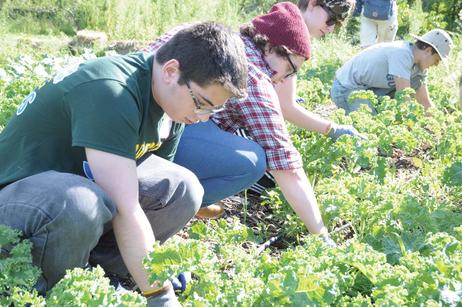
Students can participate in the campus' "Learning Garden," an eco-friendly program where they learn about sustainable agriculture, soil science, composting, and the many forms of plant life grown throughout the region. As Lane Community College explains, the Learning Garden provides valuable leadership experience through planning and managing hands-on activities while encouraging students to become actively involved in campus sustainability initiatives.
The Learning Garden continues to serve as an outdoor classroom where students gain practical experience growing fruits, vegetables, herbs, flowers, and native plants using environmentally responsible methods. Produce harvested from the gardens has historically supported educational programs, student volunteers, and campus culinary initiatives while reinforcing the college's commitment to sustainability.
This video shows the Learning Garden at Lane Community College.
Beyond these two examples, many community colleges now offer sustainable agriculture, urban farming, permaculture, composting, beekeeping, hydroponics, and food systems courses as part of their horticulture or continuing education programs. Organizations such as the American Community Gardening Association and the National Sustainable Agriculture Coalition have also helped encourage interest in community-based food production and environmentally responsible gardening practices.
Students interested in expanding their gardening knowledge may also find helpful resources through the National Gardening Association, which provides educational information on home gardening, plant care, and sustainable growing techniques.
Community College Review also highlights other practical learning opportunities in its articles on Choosing Electives for a Rounded Education and Why Should You Take Elective Courses at Community College?.
Growing Interest in Sustainability
Since this article was originally published, sustainability has become an increasingly important part of community college education. Many colleges have expanded campus gardens into living laboratories where students study environmental science, nutrition, conservation, climate resilience, and sustainable food production.
These gardens often support multiple academic disciplines, including biology, culinary arts, environmental studies, and workforce development programs. Students not only learn how to grow healthy food, but also develop practical skills related to teamwork, problem-solving, environmental stewardship, and responsible resource management.
Final Thoughts
As the popularity of organic foods continues to grow, so too do the organic gardens sprouting up at community colleges across the country.
Although the original focus of these programs was teaching students how to grow healthier food while saving money, today's organic gardening courses have evolved into much broader educational experiences. Students gain hands-on skills in sustainable agriculture, environmental conservation, healthy living, and food security while developing a greater appreciation for where their food comes from.
Whether enrolling in a single continuing education class or participating in a campus learning garden, students continue to discover that community colleges offer practical, affordable opportunities to learn skills that benefit both their health and their communities well beyond the classroom.