College Policies

Community college polices are frequently being updated. Keep current on the latest bans, free speech initiatives and safety protocols. Learn what schools are doing to increase funding in the midst of widespread budget cuts, determine the best practices to ensure safety on campus and get the latest on school controversies and student rights.

View the most popular articles in College Policies:

More Smoking Bans at Community Colleges Billow, But Not All is Sunny

Updated
|
More Smoking Bans at Community Colleges Billow, But Not All is Sunny
Even more community colleges are banning smoking on campus, but not everyone is happy about the change. We'll take a look at what students have to say about the bans and whether they can even be enforced effectively.
More and more campuses are banning smoking on campus.

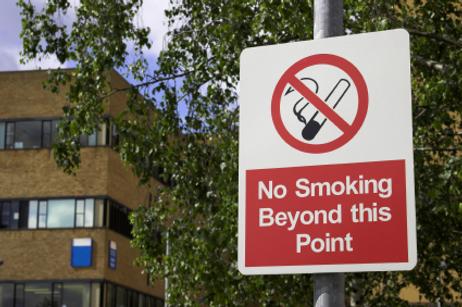
Smoking bans are not new at community colleges; many schools have prohibited smoking in buildings and other areas of campus for years. However, complete, school-wide smoking bans are still a relatively new – and growing – trend for the 20-something crowd. Many community colleges have implemented such bans, with 120 campuses jumping onto the smoke-free bandwagon this year alone. However, campus-wide smoking bans are not met with enthusiasm by all students, and enforcement has proven to be a significant issue for many of these schools. Take a look at why some community colleges are launching such bans, and how they are handling the negative aspects of their decisions with students.

Smoke-Free = Cleaner, Healthier Campuses

According to a recent report on Christian Post, the Centers for Disease Control and Prevention estimate that nearly 22 percent of adults between the ages of 18 and 24 smoke. Some colleges implementing a smoking ban are hoping to encourage students to kick the habit as a result. To that end, college representatives share information on quitting with students and provide aids like nicotine patches and gum to students during school hours.

Other community colleges have initiated smoking bans to clean up campuses littered with second-hand smoke and cigarette butts. The first college to launch a campus-wide ban, Ozarks Technical College in Springfield, Missouri, had that goal in mind. According to CNN, the president of the college approached Ty Patterson, the former vice president of student affairs

. . .read more

Changes Coming to Nevada Community Colleges

Updated
|
Changes Coming to Nevada Community Colleges
In the face of a budget crisis, Nevada community colleges are seizing the opportunity to make sweeping changes in their system, from requiring a high school diploma to changing the formula used to determine tuition and fees. Will other states follow suit?

Nevada has traditionally had one of the most liberal enrollment policies for students who want to attend community college. Until recently, students did not even need a high school diploma or equivalent to take classes at one of these institutions. However, booming enrollment and low graduation rates have forced these schools to take a second look at their admission requirements. In addition, Nevada community colleges are seizing the opportunity to restudy how they calculate tuition and fee rates for each academic year.

Diploma Now Required

According to a brief report in the Houston Chronicle, about half of all the college students in Nevada attend one of the state’s community colleges. At the College of Southern Nevada, there are around 44,000 students currently enrolled. However, the president of CSN, Michael Richards, said that of that number, only about nine percent graduate from college each year. Richards asserts that in order to make community college students more successful, they need to be better prepared for the rigors of higher education.

Maria Sheehan, president of Truckee Meadows Community College agrees. She told the Las Vegas Review-Journal that the primary goal of the new admission requirements would be to see more students succeed once they were enrolled at a community college.

“It’s not about limiting access,” Sheehan told the Review-Journal. “It is not about being punitive. It is not about denying access to career changers.”

The new requirement was adopted by the higher education system’s Board of

. . .read more

Community Colleges Nationwide Joining in President Obamas Interfaith and Community Service Campus Challenge

Updated
|
Community Colleges Nationwide Joining in President Obamas Interfaith and Community Service Campus Challenge
Learn about the number of colleges joining the President’s Interfaith and Community Service Campus Challenge, which was introduced by the White House this past spring.

In March, President Obama called community colleges, universities and theology schools to come together despite their diverse faiths to make their communities a better place. Since the initial call went out from the White House, more than 240 schools have answered the challenge – a much larger number than the administration originally planned for. This movement has a twofold purpose: first, to cross religious lines and promote religious tolerance for college students across the country. The second purpose is to work together as a community to help those in need and protect the environment. With a growing population of postsecondary institutions jumping on the Interfaith and Community Service Campus Challenge, it appears that the White House might get its wish on both counts.

This video reports on the White House meeting of the President's Interfaith Community Service Campus Challenge on August 3, 2011.

What is the Interfaith and Community Service Campus Challenge?

According to a report at WhiteHouse.gov, the Interfaith and Community Service Campus Challenge serves the ultimate goal of President Obama to emphasize faith and community involvement as a means of building understanding between diverse communities and contributing to the common good. As the President said in his address when he announced this challenge, “For over 200 years, Americans of all faiths have come together, put their shoulders to the wheel of history, and made this country what

. . .read more

Community Colleges Receiving Grants to Ease the Pinch of Tighter Budgets

Updated
|
Community Colleges Receiving Grants to Ease the Pinch of Tighter Budgets
Learn about a number of grants coming into community colleges across the country to help with budget shortfalls that have resulted from the Great Recession.

Since the Great Recession began a few short years ago, budgets have been a concern for community colleges, with less money coming in from their states. This problem is exacerbated by the unprecedented influx of students, from displaced workers seeking new training to high school graduates who can no longer afford a four-year university. Fortunately, some community colleges are seeing financial relief as grants come from a wide range of resources. We’ll look at some grants community colleges receive for the upcoming school year.

Grants Given to Ivy Tech for the Benefit of Military Students

Ivy Tech is the big winner in the grant offered to Indiana colleges by the Military Family Research Institute at Purdue University. This community college received more than a half-million in funding from the foundation. According to a report at Inside Indiana Business, the money was awarded based on Ivy Tech’s efforts to enhance services for student service members, veterans, and their families.

The money is offered in 12 separate grants that will go to many of the Ivy Tech campuses across the state. The funds will be used for the following:

  • The development of a podcast that will be used to educate students and faculty and create a supportive environment for veterans
  • Enhancement of relationships with community agencies that work with the military population, such as WorkOne and Veterans of Foreign Affairs
  • The creation of a “Boots to Suits” program to help veterans transition to civilian life

Ivy Tech

. . .read more

As Community Colleges Set Budgets, Tough Decisions Must be Made

Updated
|
As Community Colleges Set Budgets, Tough Decisions Must be Made
The economy continues to put community colleges between a rock and a hard place, with many making drastic budget cuts and raising tuition fees.

The economic downturn has made its presence felt throughout the country, as families and businesses are forced to tighten their belts and make difficult decisions about their spending habits. Community colleges are facing the same challenges, as severe budget cuts have forced many schools to make choices in staffing, degree programs, and enrollment.

As the deadlines for finalizing next year’s budgets are looming for many schools, we’ll take a look at what some of the community colleges across the nations are forced to do to make ends meet.

This video reports on a pending tuition increase in a local community college.

Cayuga Community College Hiking Tuition Rates

The Cayuga Community College Board of Trustees recently approved their latest budget for the upcoming academic year. According to a report at AuburnPub.com, the new budget will include a hefty tuition hike, as well as a request for additional funding from Cayuga County. The tuition increase will be a significant 7.25 percent jump after tuition was not raised at all during the previous academic year. This amount translates to a $260 increase, with full-time students now paying $3,820 per year and part-time students paying $150 per credit hour. College officials are predicting that the federal Tuition Assistance Program (TAP) will cover the increase for about 75 percent of the students that are currently receiving TAP.

Not everyone was in favor of

. . .read more

Recent Articles

Giving Back: How to Choose the Right Community College for Nursing, IT, or Business in 2026
Practical guidance for selecting the best community college for Nursing, IT, or Business in 2026, with expert tips on fit, outcomes, and career alignment.
How Community College Students Can Build a Transfer-Ready Portfolio for 2026
Learn how community college students can build a transfer-ready portfolio for 2026 admissions with coursework, projects, recommendations, and planning tips.
Community Colleges on the President’s Honor Roll for Service
How community colleges earn the President’s Honor Roll for Community Service, with 2026 examples, impact data, and student opportunities.

College Policies

COLLEGE FUNDING
Community colleges are coping with major budget deficits, and this section covers how students are being impacted. From local fundraising efforts to federal grants, we’ll explore how community colleges are staying afloat despite funding cuts and cost increases.
CAMPUS SAFETY
Community college campuses should be a safe place, and these policies, controversial or not, aim to achieve that goal. Schools have banned sex offenders from campus, allowed security to carry guns and installed surveillance cameras in an effort to keep students safe. Here we’ll cover the latest crime and safety policies in place on campuses across the country.
SCHOOL CONTROVERSIES
From controversial reform to cursing in the classroom, our articles provide the latest news on school controversies. Here you’ll find information on some of the hot button topics related to community colleges.
STUDENT RIGHTS
From free speech to free dress, what rights do students have or relinquish on campus? Smoking bans, faith based initiatives and rights violations are just a few of the topics covered here. Don’t miss out on the latest information on student rights on community college campuses.
SUSTAINABLILITY
As a leader in many areas, community colleges are walking the talk, going green in different facets of their operations. Explore what schools are doing to protect the environment, learn how campuses are saving money with green policies, and see why these initiatives benefit students.