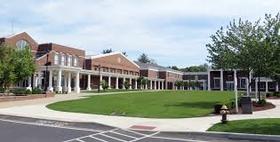

The economic downturn has made its presence felt throughout the country, as families and businesses are forced to tighten their belts and make difficult decisions about their spending habits. Community colleges continue facing similar challenges in 2026, as many schools are still dealing with budget pressures tied to inflation, fluctuating enrollment, and changing state funding formulas.
As the deadlines for finalizing next year’s budgets loom for many schools, we’ll take a look at what some community colleges across the nation have been forced to do to make ends meet.
Cayuga Community College Hiking Tuition Rates
The Cayuga Community College Board of Trustees previously approved a budget that included a tuition increase, as well as a request for additional funding from Cayuga County. Tuition rates have continued rising gradually over the past decade as colleges respond to increasing operational expenses.
According to the latest data from the National Center for Education Statistics College Navigator, community college tuition costs nationwide continue increasing modestly as schools respond to inflation and higher operating expenses.
Not everyone has historically been in favor of tuition increases. Concerns about affordability remain central to discussions around community college budgeting and student access. For students weighing costs, Community College Review’s guide to how to pay for a community college education offers additional context.
The college has continued balancing budget needs while investing in facilities, workforce programs, and student services.
Tuition Increases Not Enough for Lansing Community College; Layoffs Have Also Impacted Operations
Lansing Community College has also faced ongoing budget pressures tied to enrollment shifts and changing public funding support. Like many institutions nationwide, Lansing has periodically evaluated tuition increases alongside staffing and operational adjustments.
Community colleges across the country continue experiencing financial strain from declining state appropriations, inflationary costs, and post-pandemic enrollment changes.
While tuition increases at many schools have remained relatively moderate compared to four-year institutions, out-of-state and international students often continue to face substantially higher tuition rates.
College leaders have expressed concern that higher tuition costs may discourage enrollment among international students and low-income learners who traditionally rely on community colleges for affordable higher education opportunities. Families comparing college options may find Community College Review’s overview of community college vs. university differences useful.
Frederick Community College Budgeting “Conservatively”
Frederick Community College in Maryland is another school that has maintained a conservative budgeting approach in recent years. Colleges nationwide continue prioritizing financial sustainability while attempting to minimize tuition increases for students.
Many schools are strategically using reserve funds while pursuing additional state grants and workforce development funding opportunities.
Community colleges that keep tuition growth modest may qualify for additional state support programs, depending on state higher education policies. Students exploring tuition assistance may also want to review Community College Review’s article on free community college programs available in some states.
Reduced Expenditures Plan at Ohio Community Colleges
Ohio community colleges continue grappling with reduced state funding and rising operating costs. Some institutions have reduced expenditures through hiring freezes, attrition, administrative restructuring, and selective staffing reductions.
At the same time, many schools continue considering tuition increases to offset budget shortfalls while trying to preserve affordable access for students.
According to recent reporting from the National Student Clearinghouse Research Center, community colleges remain essential workforce development institutions, serving millions of students pursuing transfer pathways, technical certifications, and career training.
Enrollment at many community colleges has stabilized or modestly rebounded since the sharp declines experienced during the pandemic era, but financial pressures remain significant for many institutions. Community College Review’s analysis of community college workforce training programs provides more detail on this shift.
Students interested in enrollment trends may also find Community College Review’s article on community college enrollment statistics helpful.
Community Colleges Continue Balancing Affordability and Sustainability
Budgets remain tight across America, and community colleges continue feeling the pressure acutely. Rising operational expenses, changing demographics, and uncertain state funding have forced many schools to make difficult financial decisions.
Despite these challenges, community colleges remain one of the most affordable and accessible pathways to higher education in the United States. Institutions continue working to balance affordability with the need to maintain academic quality, student services, and workforce training programs.
Conclusion
Community colleges continue playing a critical role in American higher education by providing affordable, flexible, and career-focused learning opportunities. Although financial challenges remain in 2026, many institutions are adapting through careful budgeting, strategic investments, and expanded student support services. For millions of students, community colleges still represent an accessible pathway toward career advancement, workforce training, and four-year degree completion.