The average community college acceptance rate in North Carolina is approximately 73% per year (2026-27).
The most selective college in North Carolina is currently Cabarrus College of Health Sciences, with an acceptance rate of 23%.

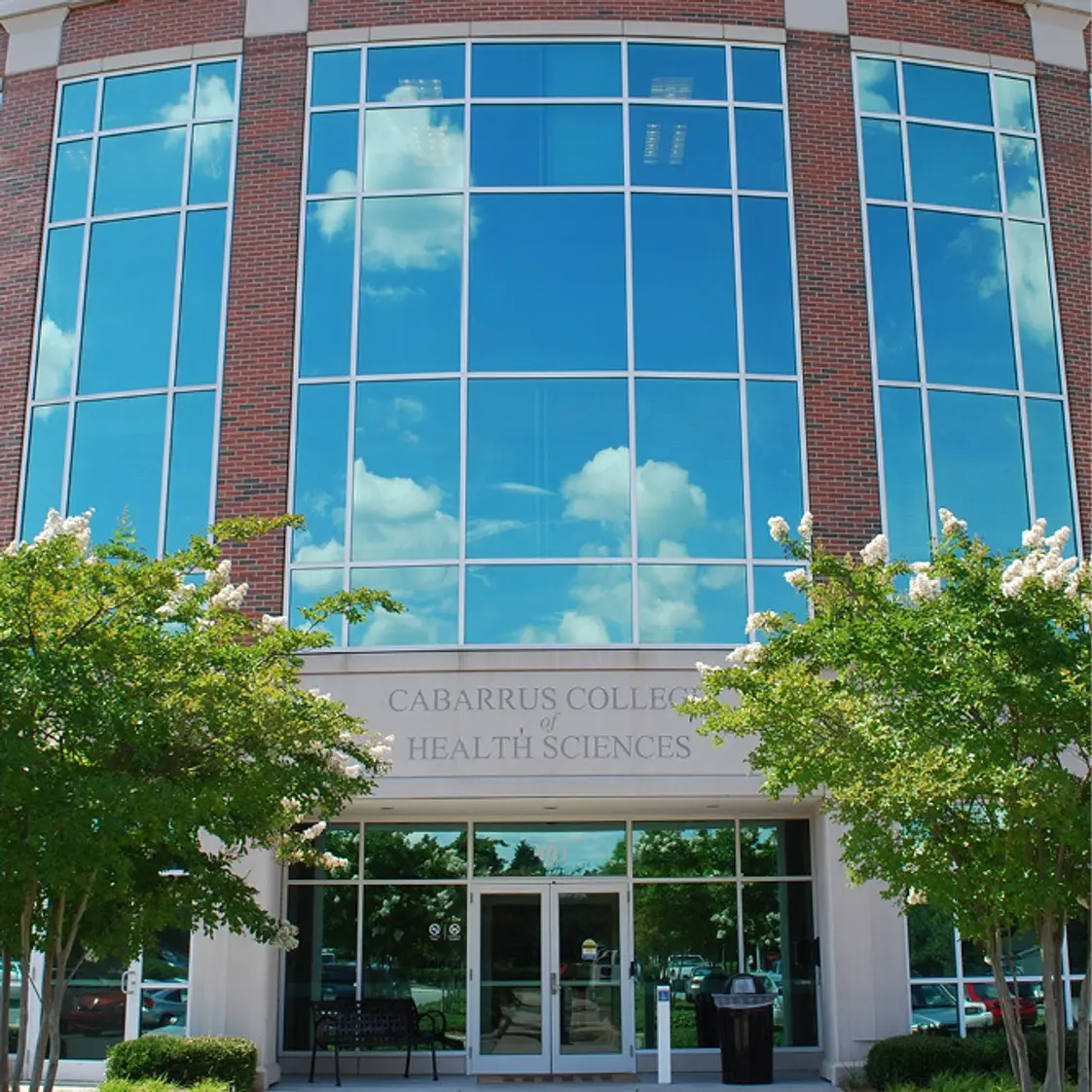


Acceptance Rate Range: 23%
100%
Avg. Acceptance Rate: 73%
Percentage Admitted Comparison Over the Years (2023-2025)
Most Selective Community Colleges in North Carolina (2026-27)
College
Acceptance Rate
Location
Rank: #11.
Cabarrus College of Health Sciences 
Private not-for-profit
Acceptance Rate: 23%
401 Medical Park Drive
Concord, NC 28025
(704) 403-1555
Concord, NC 28025
(704) 403-1555
Rank: #22.
Randolph Community College
Public
Acceptance Rate: 40%
629 Industrial Park Ave
Asheboro, NC 27205
(336) 633-0200
Asheboro, NC 27205
(336) 633-0200
Rank: #33.
Brevard College
Private not-for-profit
Acceptance Rate: 42%
One Brevard College Drive
Brevard, NC 28712
(828) 641-0641
Brevard, NC 28712
(828) 641-0641
Rank: #44.
Acceptance Rate: 50%
54 College Drive
Marion, NC 28752
(828) 652-6021
Marion, NC 28752
(828) 652-6021
Rank: #55.
Louisburg College
Private not-for-profit
Acceptance Rate: 56%
501 N. Main St.
Louisburg, NC 27549
(919) 496-2521
Louisburg, NC 27549
(919) 496-2521
Rank: #66.
Acceptance Rate: 60%
2110 Water Ridge Parkway
Charlotte, NC 28217
(704) 355-5043
Charlotte, NC 28217
(704) 355-5043
Rank: #77.
Surry Community College
Public
Acceptance Rate: 69%
630 S. Main St.
Dobson, NC 27017
(336) 386-8121
Dobson, NC 27017
(336) 386-8121
Rank: #88.
Edgecombe Community College
Public
Acceptance Rate: 74%
2009 W Wilson St
Tarboro, NC 27886
(252) 823-5166
Tarboro, NC 27886
(252) 823-5166
Rank: #9 - 119. - 11.
Pamlico Community College
Public
Acceptance Rate: 75%
5049 Hwy 306 South
Grantsboro, NC 28529
(252) 249-1851
Grantsboro, NC 28529
(252) 249-1851
Rank: #9 - 119. - 11.
Acceptance Rate: 75%
5337 US Highway 264 East
Washington, NC 27889
(252) 946-6194
Washington, NC 27889
(252) 946-6194
Rank: #9 - 119. - 11.
Miller-Motte College-Fayetteville
Private for-profit
Acceptance Rate: 75%
3725 Ramsey St.
Fayetteville, NC 28311
(910) 354-1900
Fayetteville, NC 28311
(910) 354-1900
Rank: #1212.
Acceptance Rate: 77%
2550 Hwy 70 SE
Hickory, NC 28602
(828) 327-7000
Hickory, NC 28602
(828) 327-7000
Rank: #1313.
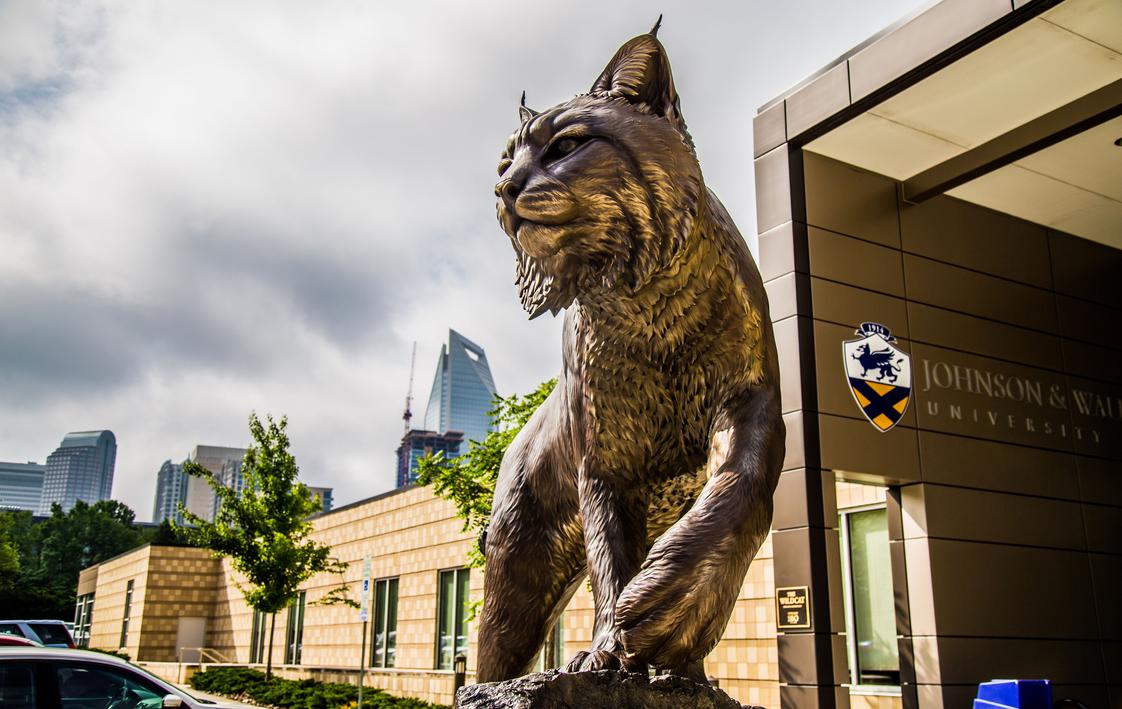
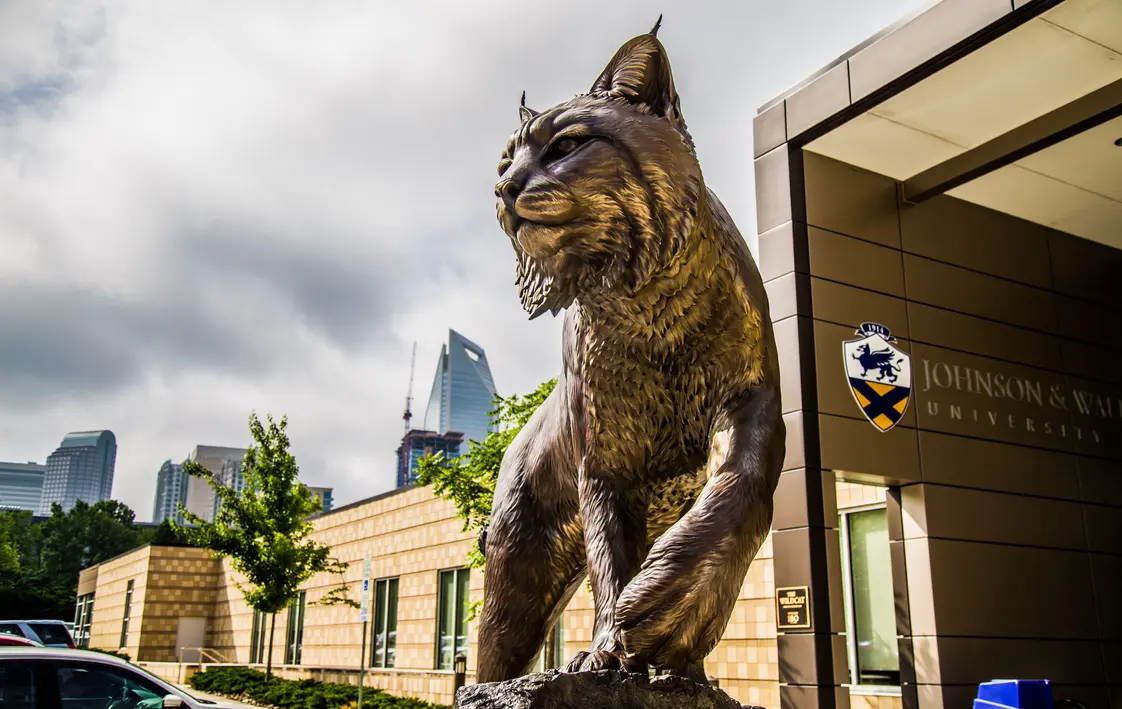
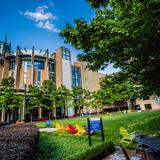
Johnson & Wales University-Charlotte 
Private not-for-profit
Acceptance Rate: 80%
Academic Center, 801 West Trade Street
Charlotte, NC 28202
(866) 598-2427
Charlotte, NC 28202
(866) 598-2427
Rank: #14 - 1514. - 15.
William Peace University
Private not-for-profit
Acceptance Rate: 94%
15 E Peace St
Raleigh, NC 27604
(919) 508-2000
Raleigh, NC 27604
(919) 508-2000
Rank: #14 - 1514. - 15.
Southeastern College-Charlotte
Private for-profit
Acceptance Rate: 94%
207 Regency Executive Park Drive
Charlotte, NC 28217
(704) 527-4979
Charlotte, NC 28217
(704) 527-4979
Rank: #16 - 1916. - 19.
Mayland Community College
Public
Acceptance Rate: 100%
200 Mayland Drive
Spruce Pine, NC 28777
(828) 765-7351
Spruce Pine, NC 28777
(828) 765-7351
Rank: #16 - 1916. - 19.
Wilson Community College
Public
Acceptance Rate: 100%
902 Herring Ave
Wilson, NC 27893
(252) 291-1195
Wilson, NC 27893
(252) 291-1195
Rank: #16 - 1916. - 19.
Acceptance Rate: 100%
2201 Hull Rd
Fayetteville, NC 28303
(910) 678-8400
Fayetteville, NC 28303
(910) 678-8400
Rank: #16 - 1916. - 19.
Living Arts College
Public
Acceptance Rate: 100%
3000 Wakefield Crossing Drive
Raleigh, NC 27614
(919) 488-8500
Raleigh, NC 27614
(919) 488-8500
Frequently Asked Questions
What is the North Carolina average community college acceptance rate?
The North Carolina average community college acceptance rate is 73% for 2026-27.
What are the most selective community college in North Carolina?
The most selective community college in North Carolina include Cabarrus College of Health Sciences, Randolph Community College and Brevard College.
Recent Articles

Can Your Two-Year Degree Really Be Finished in Four Semesters?
Learn how to test whether a two-year community college degree can actually be completed in four semesters by checking prerequisites, course rotations, availability, sequencing, and hidden scheduling barriers.

Program Seat Test: Are You Really Admitted to Your Major?
Learn how to determine whether community college acceptance includes admission to your intended major, and evaluate selective programs, prerequisites, seat limits, deadlines, waitlists, and backup options before enrolling.

Build Your Community College First-Semester Stress Test
Build a realistic first-semester stress test before registration by checking course load, work hours, commuting, finances, family duties, study time, and support systems before your schedule becomes unmanageable later.