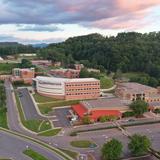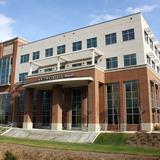
- Brevard College is a private college in Brevard, North Carolina, United States. The college grants Bachelor of Arts, Bachelor of Science, and Master of Science degrees.
School Highlights
Brevard College serves 875 students (98% of students are full-time).
The college's student-teacher ratio of 12:1 is lower than the state community college average of 21:1.
Minority enrollment is 38% of the student body (majority Black), which is less than the state average of 50%.
Quick Facts (2026)
- Enrollment: 875 students
- Private-state tuition: $26,170
- Acceptance Rate: 42%
- Student-teacher ratio: 12:1
- Minority enrollment: 38%
- Source: Integrated Postsecondary Education Data System (IPEDS)
Top Rankings
Brevard College ranks among the top 20% of public schools in North Carolina for:
Category
Attribute
Selectivity
School Resources
School Overview
The teacher population of 76 teachers has declined by 66% over five years.
Brevard College
(NC) Community College Avg.
Carnegie Classification
Baccalaureate/Associate's Colleges
0
Institution Level
Four or more years
0
Institution Control
Private not-for-profit
0
Total Faculty
76 staff
129 staff
Number of Programs Offered
-2
51
School Calendar
Student Body
The student population of Brevard College has grown by 5% over five years.
The student-teacher ratio of 12:1 has increased from 3:1 over five years.
The Brevard College diversity score of 0.58 is more than the state average of 0.00. The school's diversity has grown by 13% over five years.
Total Enrollment
875 students
2,143 students
Student-Teacher Ratio
12:1
21:1
# Full-Time Students
861 students
650 students
# Part-Time Students
14 students
1,493 students
# Enrollment Undergraduate
763 students
300 students
# Full-Time Undergraduate Students
811 students
650 students
# Full-Time Graduate Students
50 students
50 students
# Part-Time Undergraduate Students
10 students
1,517 students
# Part-Time Graduate Students
4 students
7 students
Total Dormitory Capacity
717 students
719 students
% American Indian/Alaskan
1%
1%
% Asian
1%
3%
% Hispanic
8%
14%
% Black
14%
22%
% White
62%
50%
% Hawaiian
n/a
n/a
% Two or more races
6%
3%
% Non Resident races
6%
1%
% Unknown races
1%
6%
Diversity Score
0.58
0.00
College Completion Rate (Students who graduate in 4 years or more than 4 years)
36%
36%
Average Graduate Earnings (10 Years)
$30,400
$27,500
Tuition and Acceptance Rate
The private state tuition of $26,170 is more than the state average of $19,438. The private state tuition has declined by 13% over four years.
Private State Tuition Fees
$26,170
$19,438
Tuition Notes
$47,950 per year (Fall 2025 & Spring 2026)
% Students Receiving Some Financial Aid
100%
79%
Median Debt for Graduates
$25,000
$11,865
Median Debt for Dropouts
$5,500
$5,846
Acceptance Rate
42%
75%
SAT Reading
470
470
SAT Math
490
495
ACT Composite
20
20
ACT English
20
19
ACT Math
19
19
Source: 2025 (or latest year available) Integrated Postsecondary Education Data System (IPEDS)
School Notes
- School Mascot: Tornado
Frequently Asked Questions
How much does Brevard College cost?
Brevard College's private state tuition is approximately $26,170.
What is the acceptance rate of Brevard College?
The acceptance rate of Brevard College is 42%, which is lower than the state average of 75%. Brevard College's acceptance rate is ranked among the top community colleges in North Carolina with low acceptance rates.
What is Brevard College's ranking?
Brevard College ranks among the top 20% of community college in North Carolina for: Lowest acceptance rates and Percent of students receiving financial aid.
Recent Articles
Community College Housing Options for Students
Explore community college housing options in 2026, including apartments, dorms, homestays, and commuter strategies for students.
How Community Colleges Prepare Students for AI Careers
Learn how community colleges are preparing students for AI and technology careers through workforce training, certifications, and employer partnerships.
Community Colleges: A to Z Guide for 2026
Explore the complete 2026 A to Z guide to community colleges, including costs, transfer pathways, online learning, and career programs.