Preparing for Placement Tests in 2026: What Students Need to Know
Preparing for Placement Tests in 2026 has become a central concern for students entering community colleges across the United States. As placement testing continues to evolve, students, parents, and educators must understand how placement tests work in 2026, what has changed in recent years, and how students can prepare effectively. Preparing for Placement Tests in 2026 is no longer just about test-taking skills; it now involves academic history, advising, and multiple measures that reflect a student’s broader readiness for college-level work.
Community colleges increasingly rely on placement systems designed to support student success, reduce unnecessary remediation, and accelerate progress toward degrees and certificates. Preparing for Placement Tests in 2026 requires awareness of these trends, along with practical strategies that help students start college on the right academic path.
What Are Placement Tests and Why They Matter in 2026
Placement tests help colleges determine the appropriate starting level for students in math, English, and sometimes reading or English as a Second Language. Preparing for Placement Tests in 2026 is important because placement decisions affect course selection, time to graduation, and overall college costs.
Most community colleges use placement tools to answer key questions:
- Is a student ready for college-level math and English
- Does a student need additional academic support
- Which courses best match a student’s skills and goals
Preparing for Placement Tests in 2026 is particularly important because misplacement can delay degree completion or increase tuition expenses. Accurate placement helps students avoid unnecessary remedial coursework while ensuring they receive appropriate support.
Major Changes in Placement Testing by 2026
Preparing for Placement Tests in 2026 looks different from a decade ago. Many colleges have moved away from relying solely on standardized exams and instead use multiple measures.
Key updates shaping Preparing for Placement Tests in 2026 include:
- Greater use of high school GPA and coursework
- Reduced emphasis on single test scores
- Expanded guided self-placement models
- Integration of advising and academic planning
In states such as California, legislation like AB 705 has reshaped placement practices by prioritizing high school performance over standardized testing. Students Preparing for Placement Tests in 2026 should expect a more holistic review of their academic background rather than a single high-stakes exam.
Common Placement Tests Students May Encounter
While testing requirements vary, many colleges still use standardized placement tools alongside other measures. Preparing for Placement Tests in 2026 often includes familiarity with common assessments.
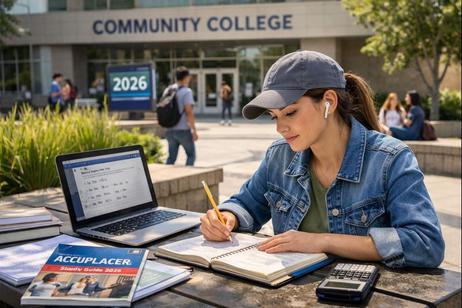
The most widely used placement test remains the ACCUPLACER, developed by the College Board. This computer-adaptive assessment measures skills in math, reading, and writing. Students can learn more directly from the College Board’s official ACCUPLACER overview at accuplacer.collegeboard.org.
Other placement approaches may include:
- Locally developed math diagnostics
- Writing samples or essays
- Guided self-placement questionnaires
- Prior standardized test scores
Preparing for Placement Tests in 2026 means understanding which methods a specific college uses and preparing accordingly.
How Multiple Measures Affect Preparing for Placement Tests in 2026
Multiple measures placement considers several data points, not just a test score. Preparing for Placement Tests in 2026 requires students to gather accurate academic records and understand how colleges evaluate readiness.
Common multiple measures include:
- High school GPA
- Completion of algebra or higher-level math
- Senior-year English coursework
- Time elapsed since high school graduation
For students who performed well academically in high school, Preparing for Placement Tests in 2026 may involve little or no testing at all. For others, placement tests still play a role, but they are balanced with academic history.
Effective Study Strategies for Preparing for Placement Tests in 2026
Even with multiple measures, preparation matters. Preparing for Placement Tests in 2026 helps students demonstrate their true academic ability.
Recommended strategies include:
- Reviewing basic algebra, fractions, and word problems
- Practicing reading comprehension and grammar skills
- Refreshing essay structure and sentence clarity
- Taking free online practice assessments
Khan Academy remains one of the most widely recommended free resources for students Preparing for Placement Tests in 2026. Its math and English practice tools align closely with college readiness standards and are available at khanacademy.org.
Timeline for Preparing for Placement Tests in 2026
Starting early is one of the best ways to succeed. Preparing for Placement Tests in 2026 should begin several months before enrollment.
A suggested preparation timeline:
| Timeframe | Preparation Focus |
|---|---|
| 6 months out | Review transcripts, meet with advisors |
| 3 months out | Practice math and English fundamentals |
| 1 month out | Take practice tests, identify weak areas |
| Test week | Light review, rest, and logistics planning |
Following a structured plan ensures Preparing for Placement Tests in 2026 remains manageable and effective.
Test Day Tips for Placement Success
Test day preparation is often overlooked. Preparing for Placement Tests in 2026 includes understanding the testing environment and expectations.
Helpful tips include:
- Arrive early with required identification
- Understand calculator policies
- Read questions carefully
- Pace yourself, most tests are untimed
Students Preparing for Placement Tests in 2026 should approach the assessment as an opportunity rather than an obstacle. The goal is accurate placement, not perfection.
Accommodations and Accessibility in 2026
Accessibility continues to improve across higher education. Preparing for Placement Tests in 2026 includes knowing your rights and available accommodations.
Students with documented disabilities may qualify for:
- Extended testing time
- Screen readers or assistive technology
- Alternative test formats
Colleges typically require advance documentation, so Preparing for Placement Tests in 2026 should include early communication with disability services offices.
The Role of Advising in Preparing for Placement Tests in 2026
Academic advisors play a critical role in helping students interpret placement results. Preparing for Placement Tests in 2026 should involve meeting with advisors to discuss outcomes and next steps.
Advisors help students:
- Understand placement scores or recommendations
- Choose appropriate course sequences
- Explore co-requisite support options
Many colleges now offer co-requisite models that allow students to enroll in college-level courses with additional support. Preparing for Placement Tests in 2026 means understanding these options.
Parental and Educator Support for Placement Preparation
Parents and educators can support students Preparing for Placement Tests in 2026 by encouraging early planning and reducing anxiety around testing.
Effective support includes:
- Helping students gather academic records
- Encouraging practice and review
- Promoting realistic expectations
Preparing for Placement Tests in 2026 is most successful when students feel informed and supported.
Common Myths About Placement Testing in 2026
Despite changes, misconceptions remain. Preparing for Placement Tests in 2026 requires separating fact from fiction.
Common myths include:
- Placement tests determine intelligence
- Poor placement cannot be changed
- Testing always leads to remediation
In reality, Preparing for Placement Tests in 2026 is about finding the best academic starting point, not labeling students.
Looking Ahead: The Future of Placement Testing
As colleges continue refining placement systems, Preparing for Placement Tests in 2026 offers a preview of future trends. Expect continued emphasis on equity, student choice, and data informed placement decisions.
National organizations such as the American Association of Community Colleges regularly highlight these shifts. Additional insights can be found at aacc.nche.edu.
Final Thoughts on Preparing for Placement Tests in 2026
Preparing for Placement Tests in 2026 is an essential step in a student’s college journey. With updated placement practices, expanded support systems, and accessible preparation resources, students have more opportunities than ever to start college successfully.
By understanding placement policies, preparing academically, and engaging with advisors, students can approach placement confidently. Preparing for Placement Tests in 2026 is not about passing or failing; it is about beginning college at the level that supports long-term success.
For students, parents, and educators alike, thoughtful preparation makes all the difference when Preparing for Placement Tests in 2026.