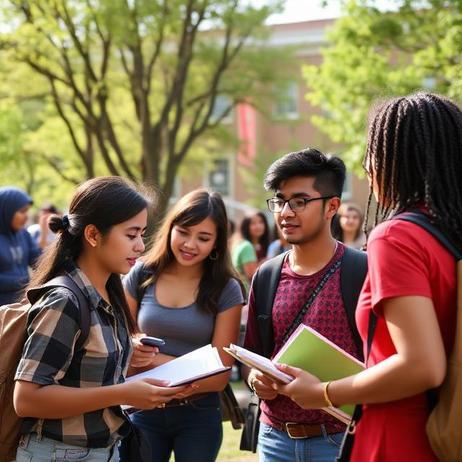
For many global students, the United States remains one of the most attractive destinations for higher education. While four-year universities often dominate the conversation, community colleges have become an increasingly popular and practical pathway. A common question persists: can international students attend community college in the U.S.? The answer is yes, and in 2026, the opportunities are broader and more accessible than ever.
This guide explains how international students can enroll, what requirements they must meet, and why community colleges are a strategic choice for academic and career success.
Understanding Community Colleges in the U.S.
Community colleges are two-year public institutions that offer associate degrees, certificates, and workforce training programs. Many also provide transfer pathways to four-year universities.
For international students, these institutions offer several advantages:
- Lower tuition compared to universities
- Flexible admissions requirements
- Smaller class sizes
- Strong academic support services
- Transfer agreements with top universities
In 2026, community colleges are also expanding global recruitment efforts, making them more welcoming and better equipped to support international students than ever before.
Can International Students Attend Community College?
Yes, international students can attend community college in the U.S., provided they meet specific academic, financial, and immigration requirements.
Most community colleges are certified under the Student and Exchange Visitor Program (SEVP), which allows them to issue the Form I-20 required for an F-1 student visa. You can verify certified schools through the U.S. Department of Homeland Security’s official database: studyinthestates.dhs.gov/school-search
Key Requirements for International Students
1. Admission Requirements
Community colleges generally have