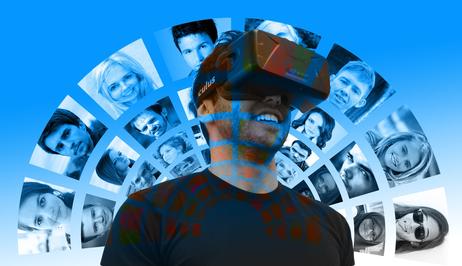
For years, virtual reality was associated primarily with gaming and entertainment. Today, however, the technology is becoming a serious educational tool, particularly in career and technical education. Community colleges across the country are increasingly adopting virtual reality training programs to help students develop workplace skills in safe, immersive, and cost-effective environments.
From nursing students practicing emergency procedures to manufacturing students learning equipment operation, virtual reality is transforming how community colleges deliver hands-on education. As employers seek workers who can adapt quickly to evolving technologies, these programs are helping students gain practical experience before they ever enter the workforce.
For prospective students evaluating career-focused educational options, virtual reality training programs in community colleges represent one of the most innovative developments in modern workforce education.
Why Virtual Reality Is Gaining Momentum in Higher Education
Virtual reality, often referred to as VR, creates immersive digital environments that allow users to interact with simulated situations using specialized headsets and controllers. While the technology has existed for decades, recent advances have made VR more affordable, realistic, and accessible for educational institutions.
Community colleges are particularly well positioned to benefit from these innovations. Their mission has long focused on preparing students for careers through practical, hands-on learning experiences. Virtual reality enhances that mission by allowing students to practice skills repeatedly without many of the costs, risks, or logistical challenges associated with traditional training environments.
According to the National Center for Education Statistics, community colleges serve millions of students pursuing workforce training, technical certifications, and transfer degrees. As colleges look for ways to improve student outcomes and workforce readiness, VR is emerging as a valuable instructional tool.
How Virtual Reality Training Works
Unlike traditional classroom instruction, virtual reality places students inside realistic simulations where they can actively participate rather than simply observe. Wearing a VR headset, a student may find themselves in a hospital emergency room, an advanced manufacturing facility, a construction site, or a public safety training scenario.
The technology allows students to practice procedures, solve problems, and respond to changing conditions in real time. Instructors can monitor performance, provide feedback, and adjust scenarios to match individual learning needs.
Because simulations can be repeated as often as necessary, students gain confidence and competence before transitioning to real-world environments. This can be especially valuable in fields where mistakes may be costly, dangerous, or difficult to recreate for training purposes.
Healthcare Programs Are Leading Adoption
Healthcare education has become one of the most active areas for virtual reality implementation at community colleges.
Nursing students can practice patient assessments, medication administration, emergency response procedures, and communication skills within realistic virtual environments. Instead of waiting for clinical opportunities that may be limited or unpredictable, students can gain additional experience through simulation.
Virtual reality can also expose students to rare medical situations that they may not encounter during traditional clinical rotations. This broader exposure helps prepare graduates for a wider range of workplace challenges.
The growing demand for healthcare professionals has encouraged colleges to explore innovative approaches to training. Students interested in healthcare career pathways may also benefit from reviewing Most In-Demand Community College Programs in 2026, which highlights programs experiencing strong workforce demand.
Expanding Opportunities in Skilled Trades and Manufacturing
Virtual reality is also transforming training in manufacturing, welding, construction, and other skilled trades.
Traditionally, learning these skills often requires expensive equipment, specialized facilities, and significant material costs. VR simulations allow students to develop foundational competencies before working with physical equipment.
A welding student, for example, can practice proper techniques in a virtual environment that provides immediate feedback on positioning, speed, and accuracy. Manufacturing students can learn equipment operation and safety procedures without exposing themselves or equipment to unnecessary risks.
This approach can improve efficiency while reducing training costs. Students enter hands-on labs better prepared, allowing instructors to focus more on advanced skills development.
As advanced manufacturing technologies continue to evolve, community colleges are increasingly integrating digital tools into workforce education. The U.S. Bureau of Labor Statistics projects continued demand for skilled workers in many technical occupations, making innovative training methods particularly valuable.
Public Safety and Emergency Response Applications
Few fields depend more heavily on realistic training than public safety. Community colleges preparing future police officers, firefighters, emergency medical technicians, and disaster response professionals are increasingly using virtual reality to simulate high-pressure situations.
These simulations allow students to practice decision-making, communication, and situational awareness under realistic conditions. Because scenarios can be repeated and modified, instructors can expose students to a wide range of emergencies that would be impossible to recreate safely in traditional training environments.
Virtual reality also enables students to learn from mistakes without real-world consequences. This creates opportunities for reflection, feedback, and skill refinement that strengthen overall preparedness.
Benefits for Students
One of the greatest strengths of virtual reality training programs is their ability to increase engagement. Students are often more actively involved in immersive simulations than they are during traditional lectures or demonstrations.
The technology also supports different learning styles. Visual, auditory, and kinesthetic learners can all benefit from the interactive nature of VR experiences.
Additional advantages include:
- Increased opportunities for practice
- Immediate performance feedback
- Reduced training risks
- Exposure to rare or complex scenarios
- Greater confidence before entering real-world environments
These benefits can improve both learning outcomes and workforce readiness.
Challenges and Limitations
Despite its potential, virtual reality is not a complete replacement for traditional hands-on education.
Students in healthcare programs still need clinical experiences. Welding students must ultimately work with real equipment. Public safety trainees need practical field experience. VR serves as a supplement rather than a substitute for these essential learning opportunities.
Cost can also be a consideration. While virtual reality technology has become more affordable, colleges must still invest in hardware, software, maintenance, and instructor training. Smaller institutions may face challenges implementing large-scale programs.
In addition, some students may initially experience discomfort or motion sensitivity when using VR equipment. Colleges must ensure that training environments remain accessible and supportive for all learners.
Community Colleges Are Leading Educational Innovation
Community colleges have historically embraced educational innovations that improve access and workforce preparation. From online learning to competency-based education, these institutions often serve as testing grounds for emerging instructional approaches.
Students interested in broader trends shaping higher education may also enjoy Community College Review's article, Community College in 2026: Is It Still Worth It?, which explores how community colleges continue adapting to changing student and employer needs.
Virtual reality represents another example of that adaptability. By combining technology with practical skills development, community colleges are creating new opportunities for students to gain meaningful experience before entering the workforce.
Research from the Community College Research Center continues to highlight the importance of aligning education with workforce outcomes. Technologies such as VR can help strengthen those connections when implemented thoughtfully and strategically.
What Students Should Consider Before Enrolling
Students interested in virtual reality training programs should look beyond the technology itself and evaluate how it supports broader educational goals.
Questions worth asking include:
- How frequently is VR integrated into coursework?
- What specific skills are taught through simulations?
- Does the program include hands-on training alongside VR experiences?
- How do employers view graduates from the program?
- Are internships or work-based learning opportunities available?
The answers can help students determine whether a particular program provides meaningful career preparation rather than simply showcasing new technology.
Students considering transfer opportunities after completing a community college program may also find useful guidance in How to Transfer From Community College to a Top University.
Conclusion
Virtual reality training programs in community colleges are reshaping how students learn technical and professional skills. By providing immersive, repeatable, and realistic simulations, these programs allow students to build confidence and competence before entering real-world workplaces.
While virtual reality cannot replace all forms of hands-on training, it offers powerful opportunities to enhance traditional instruction. From healthcare and manufacturing to public safety and skilled trades, community colleges are using VR to prepare students for increasingly complex careers.
As technology continues to advance and educational institutions seek innovative ways to improve workforce readiness, virtual reality training programs in community colleges are likely to become an increasingly important part of the educational landscape.