Student Issues / Attending College

Academics, extracurricular activities, housing and more: be savvy about all facets of attending community college. Get tips on making the Dean's list. Find ways to benefit from community college outside the classroom. Analyze the latest data on graduation and employment rates. Plus news from journals, blogs and more.

View the most popular articles in Student Issues / Attending College:

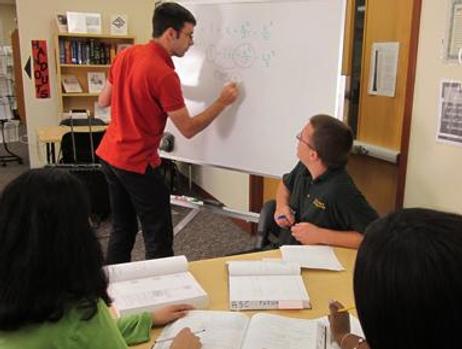
Unlocking Academic Potential: Tutoring Resources for Community College Students

Updated
|
Unlocking Academic Potential: Tutoring Resources for Community College Students
This article explores the various tutoring and academic assistance options available to community college students. It highlights resource centers, online tutoring platforms, and developmental courses designed to support students in core subjects and improve their overall academic performance.

As students transition to the demands of community college courses, many quickly realize they need added academic support. While instructors can assist during office hours, community colleges also offer resource centers and even some college courses to help provide students with added assistance.

Community College Academic Resource Centers

With over five campuses across Iowa, Iowa Lakes Community College provides students with a resource center at each campus location. At the resource centers, students can specifically seek help for academic issues; for example, “Students may request individual tutoring, help with proofreading papers, and/or assistance in developing good study skills.” As many new community college students struggle with essays, homework assignments, or even with issues of organization and memorization, the academic resources at community college campuses can be avenues of beneficial support.

Added to the resources of academic assistance, community college students can also find information about generalized entry exams or class placement exams. Furthermore, Iowa Lakes Community College requires “each incoming freshman be assessed. Assessment results help guide students into appropriate academic courses. Students are assessed using ACT, ASSET, or COMPASS in reading, writing, and mathematics.” To become prepared and aware of the testing information, students can utilize the campus-wide resource centers to find out sample test questions, testing dates, and testing strategies.

In Fremont, Ohio, Terra Community College is another institution gaining recognition for its outstanding student outreach programs. TCC has five specific academic outreach organizations to help students excel in various specific


. . .read more

Writing Assistance for Community College Students

Updated
|
Writing Assistance for Community College Students
Learn how to get essay and writing skills assistance in community college.

According to research conducted by ACT News, the country’s largest provider of assessments for students transitioning from high school to college, strong writing skills are among the most important skills needed to promote post-secondary success.

Based on reports from over 6,500 college and high school teachers, some of the most imperative writing skills include students’ ability to convey information in a written, organized, and logical manner, while utilizing correct grammar and sentence structure. As many community college students often struggle with the increased demands of collegiate writing requirements, many community colleges offer resources that can provide both assistance and support for increased writing improvement.

Writing Support for Community College Students

Seeking Assistance Early On

According to research conducted by Linda Jacobson of the Community College Review, students can aim to improve their collegiate writing skills by foremost focusing on their core issues and struggles: “To improve basic skills, developmental writing students need a solid understanding of the basic structure or fundamentals of the subject. Most developmental writing students realize that they have problems in writing well but are not able to identify a specific problem area.”

Oftentimes students may feel inhibited in their ability to write cohesively with clear organization, or may struggle to even start an essay or writing assignment. As such, Jacobson suggests that students should meet with instructors individually at the first sign of any problems or concerns.

The Benefits of Individual Conferences

In meeting with instructors individually, students can understand what to

. . .read more

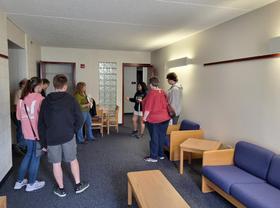
Campus Living Options for Community College Students

Updated
|
Campus Living Options for Community College Students
Learn about the increasing number of campus living options for community college students.

While most community colleges were traditionally designed to provide local students convenient access to higher education, many institutions are now expanding their campus living options. Across the United States, a growing number of community colleges are developing dormitories and student housing to enhance academic success, social engagement, and access for a broader range of students.

This shift reflects changing student needs in 2026, including rising transportation costs, increased demand for flexible living arrangements, and a stronger focus on student retention and completion.

Benefits of Living Near Campus

As students seek increasingly convenient accommodations, new community college dormitories are attracting a wider and more diverse student population. Many institutions are building housing not only as a recruitment tool, but also as a way to better support their existing student body.

Students who live on or near campus often report several academic and lifestyle advantages. Proximity to classrooms, libraries, and tutoring centers can contribute to improved academic performance. Recent research from the Community College Research Center indicates that students who are more engaged on campus, including those living nearby, are more likely to persist and complete their programs.

In addition, living close to campus reduces commuting time and transportation expenses. With fuel and public transit costs remaining a concern in many regions, this financial benefit has become increasingly significant.

Students also benefit from easier access to support services, including advising, study groups, and peer networks. These resources are particularly valuable for first-year and nontraditional students adjusting to college

. . .read more

Establishing Good Relationships with Instructors

Updated
|
Establishing Good Relationships with Instructors
Learn how to establish good relationships with community college instructors, and how they can be helpful for your academics.

As class sizes across the country continue to rise, many community college students struggle to connect with instructors. Students must strive to build positive working relationships with instructors to combat some of the potential issues of over-sized classes or to even further benefit from smaller classes.

Building positive student-instructor relationships allows students to gain more personal assistance, work through the course material more effectively, and ultimately perform better.

Benefits of Building Positive and Professional Relationships with Instructors

Improved Course Work

One of the primary benefits of building effective relationships with an instructor is a student’s ability to receive more specific feedback and instruction, whether they are taking prerequisite or elective courses. Students who establish positive professional relationships with instructors can obtain more insight into creating a particular course plan for increased progress.
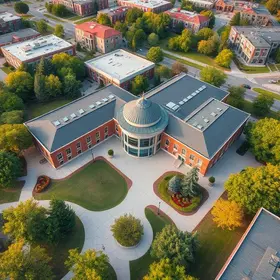
As Jacobson suggests, students should meet with instructors after large assignments or tests are returned. A “mini-conference,” or meeting with an instructor, allows both parties to focus on the finished final assignment, essay, or test. With this idea, Jacobson also asserts, “this approach may seem time-consuming, it rarely becomes a daunting process […] Once some of (students) major […] problems have been identified and correction methods have been explained, most of the students begin to use the specific information they have received to self-monitor their (work).”

Additionally, according to Jacobson, the more students meet with instructors early in the course, the less time students will need to meet with an instructor later – as you

. . .read more

Studying Abroad During Community College

Updated
|
Studying Abroad During Community College
Learn about the benefits of studying abroad during community college.

As more employers are seeking diverse candidates with global experience, community colleges across the country are now providing students with the opportunity to study abroad. Abroad programs allow students to take courses overseas so students can explore the world while still maintaining a focus on their degree program.

Benefits of Studying Abroad

While each community college offers different programs, the Institute of International Education (IIE) is an organization that currently works with community colleges to promote diverse program offerings for students. As the IIE describes, “the role of study abroad revolves predominately around a) providing opportunities for learning, cultural development, and career education; b) fostering understanding and building global partnerships, and c) preparing students to take their place in an increasingly global community and world citizenship.”

Also, according to Transitions Abroad, students not only benefit academically and professionally but also personally as well. According to survey results, “97 percent said studying abroad served as a catalyst for increased maturity, 96 percent reported increased self-confidence, 89 percent said that it enabled them to tolerate ambiguity, and 95 percent stated that it has had a lasting impact on their worldview.”

Paired with this, students reported that studying abroad led to long-lasting friendships with both United States and global students, as “more than half the respondents are still in contact with U.S. friends met while studying abroad, and 73 percent said the experience continues to influence the decisions they make in their family life.”

. . .read more

Recent Articles

Online vs. Hybrid vs. HyFlex: Understanding Community College Course Formats
Learn what online, hybrid, HyFlex, synchronous, and asynchronous course labels really mean at community colleges, including attendance, meeting, testing, and participation requirements students should verify before registering today.
Working Student Schedule Test: Night and Online Community College Programs
Learn how working students can test whether a community college program is truly available at night or online, including labs, prerequisites, exams, internships, advising, and course rotations.
Is the Employer Advisory Board Real or Ceremonial?
Learn how to evaluate a community college employer advisory board, verify industry participation, identify meaningful employer influence, and determine whether career connections can benefit students after graduation today.

Student Issues / Attending College

EXTRACURRICULAR ACTIVITIES
Community college can be fun and socially enriching, especially with the right extracurricular activities. Reasons to join the debate club, volunteer opportunities and wellness programs are just a few topics covered here. Explore the benefits of community college outside of the classroom, from holiday celebrations to athletic programs, schools are finding ways to keep students engaged on campus.
GRADUATION
Graduation rates, policies, and caps - oh my! This section covers all topics related to community college graduations. How does state spending impact graduation rates? Who are the oldest community college graduates? What initiatives are in place to stem the rate of dropouts? Find the answers to these questions and more.
COMMUNITY COLLEGE HOUSING
The number of community colleges offering on-campus housing is on the rise. Learn more about campus living options, compare the pros and cons of dorm life, and get help deciding what housing is best for you.
IMPROVING LEARNING
Get helpful tips and expert advice on boosting your GPA. This section will provide valuable tips on studying, mentor programs and how to avoid academic probation. Examine the latest trends in student motivation techniques, take a good look at online learning, and find resources to guide you on the path to success.
IMPROVING YOUR JOB SEARCH
Whether you have just enrolled in community college or you’re ready to graduate and enter the job market, our articles can help improve your opportunities of landing the perfect job. Internships and apprenticeships offer lots of benefits, find out how participation in these programs can move your resume to the top of the pile. Analyze employment data for community college graduates and determine who is getting hired. Get valuable tips on polishing your candidacy and making the most of job fairs.
CLASS SCHEDULES
- Do you need child care? Are you employed full-time? Community colleges offer a variety of scheduling options, allowing most students to easily integrate continued education into an already busy schedule. From weekend classes to courses at midnight, we cover the gamut of flexible class schedules at community college.