For decades, community colleges were primarily commuter institutions. Most students lived at home, drove to campus, attended classes, and returned to work or family responsibilities afterward. In 2026, however, the picture is far more complex. Rising enrollment, expanding athletics programs, growing international student populations, and partnerships with universities have transformed how many community college students approach housing.
Today, students attending community colleges may live in campus residence halls, shared apartments, family homes, student-focused housing developments, or even homestay programs. The right choice depends on budget, transportation access, academic goals, and lifestyle preferences.
For families and prospective students, understanding modern community college housing options has become an important part of college planning.
Why Housing Matters at Community Colleges
Housing directly affects student success. Commute times, affordability, safety, and access to campus resources all influence retention and graduation rates.
According to the National Center for Education Statistics, community colleges continue to enroll millions of students annually, including increasing numbers of first-time freshmen who want a traditional college experience at a lower cost than four-year universities.
Several factors are driving demand for housing near community colleges:
- Rising university tuition costs
- Expanded transfer pathways
- Growth in dual enrollment and early college programs
- Increased out-of-state and international enrollment
- Workforce training programs attracting adult learners
- New athletics and honors programs
As a result, many community colleges are reconsidering their role as purely commuter campuses.
Do Community Colleges Have Dorms?
Yes, some do, although on-campus housing remains less common than at four-year institutions.
Historically, dormitories were rare at community colleges. That trend has shifted in recent years, especially in rural areas where students may live far from campus. Colleges in states such as Texas, North Carolina, Michigan, and California have expanded student housing significantly since 2020.
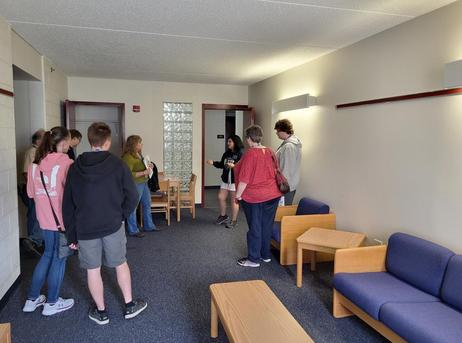
Community college residence halls are typically smaller and more affordable than university dorms. Many include:
- Shared bedrooms
- Apartment-style units
- Meal plan access
- Study lounges
- Resident advisors
- Security monitoring
In some cases, housing is reserved for specific groups, such as:
- Student-athletes
- Honors students
- International students
- Nursing or technical program participants
The American Association of Community Colleges has also noted growing institutional interest in campus housing as colleges compete for enrollment and seek to improve student engagement.
Benefits of Living on Campus
Students who live on campus often benefit from:
| Benefit | Impact |
|---|---|
| Shorter commute times | More time for studying and campus involvement |
| Access to support services | Easier tutoring and advising access |
| Stronger social connections | Better peer engagement |
| Increased independence | Easier transition from high school |
| Structured environment | Helpful for first-year students |
For younger students entering directly from high school, campus housing can provide a more traditional college experience while maintaining lower tuition costs.
The Most Common Housing Option: Living at Home
Despite growing housing developments, most community college students still live with parents or relatives.
This option remains popular because community colleges are designed to serve local populations. Living at home can dramatically reduce education costs, especially during the first two years of college.
Students who stay at home often save money on:
- Rent
- Utilities
- Meal plans
- Transportation
- Furnishings
According to data from the College Board, room and board expenses frequently exceed tuition costs at many institutions. For budget-conscious families, community college plus living at home remains one of the most affordable pathways to a degree.
Challenges of Living at Home
However, staying at home is not ideal for every student. Common drawbacks include:
- Long commuting times
- Limited campus involvement
- Family distractions
- Reduced independence
- Scheduling conflicts with work or caregiving responsibilities
Students balancing employment and academics may find commuting especially exhausting in major metropolitan areas with heavy traffic or limited public transportation.
Off-Campus Apartments and Shared Housing
For students who want independence without university-level housing costs, off-campus apartments remain the most common alternative.
Many community colleges are located near residential neighborhoods with affordable rentals. Students often reduce expenses by sharing apartments with roommates.
Popular arrangements include:
- Two- or three-bedroom apartments
- Shared townhomes
- Student-focused apartment complexes
- Renting rooms in private homes
In 2026, some colleges now partner with local developers to create student-oriented housing communities near campus. These developments may offer:
- Furnished units
- Individual leases
- Shuttle transportation
- Study rooms
- Fitness centers
- Internet included in rent
What Students Should Consider Before Renting
Before signing a lease, students should evaluate:
Monthly Costs
Rent is only part of the expense. Students should also budget for:
- Utilities
- Parking
- Internet
- Food
- Transportation
- Security deposits
Transportation Access
Reliable transportation remains critical, especially for students attending commuter-heavy campuses.
The U.S. Department of Housing and Urban Development recommends considering transportation expenses alongside rent when evaluating affordability.
Lease Terms
Students should understand:
- Lease length
- Guest policies
- Maintenance responsibilities
- Early termination rules
Many first-time renters underestimate these obligations.
University Partnership Housing
One of the biggest changes in community college housing involves partnerships with nearby universities.
Some community colleges now share:
- Residence halls
- Dining facilities
- Recreational centers
- Student activity spaces
These agreements allow community college students to access university-style housing without paying full university tuition.
This model has become increasingly popular in transfer-focused programs where students complete associate degrees before moving directly into bachelor's programs.
Advantages of Partnership Housing
Students may gain:
- Better campus amenities
- Easier transfer integration
- Expanded social opportunities
- Access to university libraries and recreation centers
For students planning to transfer after two years, this arrangement can create a smoother academic and social transition.
Homestays and International Student Housing
International students attending community colleges often rely on homestays or specialized student housing programs.
A homestay places students with local families who provide:
- Furnished accommodations
- Meals
- Cultural support
- Transportation guidance
These programs can help students adapt more comfortably during their first year in the United States.
Some colleges coordinate homestays directly, while others work with third-party providers.
For younger international students or dual-enrollment participants, homestays may offer greater supervision and emotional support than traditional apartment living.
Housing Challenges Facing Community College Students
Although housing opportunities are expanding, affordability remains a major issue in 2026.
Community college students are often more financially vulnerable than traditional university populations. Many juggle:
- Employment
- Parenting responsibilities
- Part-time enrollment
- Food insecurity
- Rising rental costs
In high-cost states, even modest apartments can strain student budgets.
Housing Insecurity Among Community College Students
Recent national studies continue to show elevated rates of housing insecurity among two-year college students.
Housing instability may include:
- Frequent moves
- Temporary living arrangements
- Couch surfing
- Difficulty paying rent
- Risk of homelessness
Some colleges have responded by creating:
- Emergency housing grants
- Short-term housing assistance
- Food pantries
- Community partnerships
- Basic-needs support centers
These initiatives reflect growing recognition that stable housing plays a major role in academic persistence.
How Families Can Help Students Choose the Right Housing
There is no universal best option. Families should evaluate housing choices based on financial realities, academic goals, and student maturity.
Questions to Ask Before Deciding
Is the student commuting daily?
Long commutes can negatively affect study time and campus involvement.
What is the total monthly cost?
Compare rent, transportation, meal expenses, and utilities, not just tuition.
Does the student need structure?
Residence halls may provide stronger academic and social support.
Is campus safety a concern?
Research neighborhood safety, transportation routes, and campus security services.
Will the student transfer later?
Students planning to transfer may benefit from university partnership housing or apartment independence.
Comparing Community College Housing Options
| Housing Type | Typical Cost | Best For | Main Drawback |
|---|---|---|---|
| Living at home | Lowest | Budget-conscious students | Less independence |
| Campus dorms | Moderate | First-year students | Limited availability |
| Shared apartments | Moderate to high | Independent students | Lease responsibilities |
| University partnership housing | Moderate | Transfer-focused students | Competitive access |
| Homestays | Moderate | International students | Less privacy |
The Future of Community College Housing
Community college housing continues to evolve rapidly.
In 2026, more institutions are exploring:
- Public-private housing partnerships
- Affordable workforce housing models
- Transit-oriented student developments
- Expanded residence life programming
- Housing support services for adult learners
At the same time, many colleges remain committed to serving commuter populations effectively through flexible scheduling, online learning, and transportation support.
For students and families, the key is understanding that community college no longer means a one-size-fits-all experience. Housing options are broader, more flexible, and increasingly designed to meet the needs of diverse learners.
Final Thoughts
Community college housing options now extend far beyond the traditional commuter model. Students may choose to live at home, rent apartments, join university partnership housing, participate in homestays, or, in some cases, live directly on campus.
Each option comes with tradeoffs involving affordability, convenience, independence, and academic support. Families who carefully compare these factors can help students make housing decisions that improve both financial stability and educational success.
As community colleges continue expanding services and enrollment pathways in 2026, housing has become an increasingly important part of the student experience, and one that deserves careful attention during the college search process.