
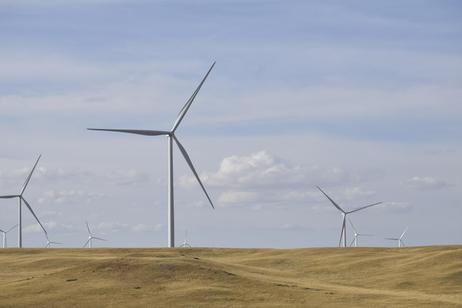
The transition to a cleaner energy economy is creating new opportunities across the workforce. From solar and wind power to energy storage, electric vehicles, and sustainable infrastructure, climate technology is rapidly becoming one of the fastest-growing sectors in the global economy. As governments, businesses, and communities invest in reducing carbon emissions and improving energy efficiency, demand for skilled workers continues to rise.
Community colleges are playing a critical role in preparing that workforce. Through certificate programs, associate degrees, and industry partnerships, these institutions are helping students develop the technical skills needed to enter climate tech and green energy careers without necessarily pursuing a four-year degree.
For students interested in combining meaningful work with strong job prospects, climate tech and renewable energy fields offer an increasingly attractive pathway. Community colleges are making those careers more accessible than ever.
The Growth of Climate Tech and Green Energy Careers
Climate technology encompasses a broad range of industries focused on reducing environmental impact, improving energy efficiency, and supporting sustainable economic development. While renewable energy often receives the most attention, the climate tech sector extends far beyond solar panels and wind turbines.
Today, climate-focused careers can be found in:
- Renewable energy generation
- Electric vehicle infrastructure
- Battery storage systems
- Smart grid technology
- Energy efficiency consulting
- Sustainable construction
- Environmental monitoring
- Water conservation systems
- Advanced manufacturing
- Carbon management technologies
According to the U.S. Bureau of Labor Statistics, many occupations connected to renewable energy and environmental sustainability are projected to experience significant growth during the coming decade. Wind turbine technicians and solar photovoltaic installers consistently rank among the fastest-growing occupations in the country.
These trends are creating strong demand for workers with specialized technical skills, many of which can be developed through community college programs.
Why Community Colleges Are Well Positioned to Lead
Community colleges have historically responded quickly to changing workforce needs. Their close relationships with local employers allow them to adapt curricula, launch new programs, and develop industry partnerships faster than many traditional universities.
The rapid growth of climate technology has created exactly the type of workforce challenge that community colleges are designed to address. As renewable energy projects expand and sustainability initiatives become more widespread, employers need technicians, installers, operators, and specialists who can enter the workforce quickly.
According to the National Center for Education Statistics, community colleges serve millions of students seeking affordable career preparation and workforce training. Many climate tech positions require specialized certifications and technical expertise rather than bachelor's degrees, making community colleges an ideal entry point.
Students considering career-focused educational pathways may also find value in Community College Review's article, Community College in 2026: Is It Still Worth It?, which explores how community colleges continue evolving to meet workforce demands.
Renewable Energy Programs Are Expanding
Many community colleges have developed programs specifically focused on renewable energy technologies.
Solar energy programs often teach students how to install, maintain, troubleshoot, and inspect photovoltaic systems. Coursework may include electrical fundamentals, system design, safety procedures, energy storage technologies, and building code compliance.
Wind energy programs prepare students to work on turbine installation, maintenance, and repair. Students learn about mechanical systems, electrical systems, hydraulic equipment, safety protocols, and diagnostic technologies.
Some colleges have also expanded into newer areas such as battery storage systems and microgrid management. These technologies are becoming increasingly important as utilities and businesses seek more reliable ways to integrate renewable energy into existing infrastructure.
By providing hands-on training with industry-standard equipment, community colleges help students build practical skills that employers value immediately.
Electric Vehicles Are Creating New Career Opportunities
The rapid growth of electric vehicles has generated demand for workers with specialized technical expertise.
Automotive technology programs at many community colleges are adapting to this shift by incorporating electric vehicle diagnostics, battery systems, charging infrastructure, and advanced electrical systems into their curricula.
Students pursuing these pathways may find opportunities as:
- EV Service Technician: Diagnose and repair electric vehicles
- Charging Infrastructure Technician: Install and maintain charging stations
- Battery Systems Specialist: Test and service battery technologies
- Electrical Systems Technician: Support vehicle power systems
- Fleet Electrification Technician: Maintain electric commercial vehicles
As transportation continues moving toward electrification, community colleges are helping ensure that the workforce can keep pace with technological change.
Climate Tech Extends Beyond Energy Production
One common misconception is that green energy careers are limited to solar and wind power. In reality, climate technology affects numerous industries.
Building efficiency has become a major focus area as organizations seek to reduce energy consumption and operating costs. Community colleges increasingly offer programs related to energy auditing, HVAC optimization, smart building systems, and sustainable construction techniques.
Water management is another growing field. Communities across the country face challenges related to water conservation, infrastructure maintenance, and environmental protection. These needs create demand for technicians and specialists trained in water systems management and environmental monitoring.
Advanced manufacturing is also becoming more sustainable. Companies are investing in cleaner production processes, resource efficiency, and environmentally responsible operations. Students with technical skills and sustainability knowledge may find opportunities in a wide variety of manufacturing settings.
Industry Partnerships Strengthen Career Pathways
One of the biggest advantages community colleges offer is their ability to collaborate directly with employers.
Many renewable energy companies, utility providers, manufacturers, and environmental organizations partner with local colleges to shape curricula and provide hands-on learning opportunities. These partnerships often include internships, apprenticeships, equipment donations, and workforce development initiatives.
Students benefit because they gain exposure to current technologies and workplace expectations before graduation. Employers benefit by helping develop a pipeline of qualified workers.
Research from the Community College Research Center continues to emphasize the importance of aligning educational programs with labor market needs. Climate tech workforce development provides a strong example of this alignment in practice.
Skills Employers Are Seeking
While technical expertise remains essential, employers increasingly seek workers who possess a combination of technical and transferable skills.
Successful climate tech professionals often demonstrate:
- Problem-solving ability
- Technical troubleshooting skills
- Adaptability
- Communication skills
- Teamwork
- Safety awareness
- Digital literacy
- Project management capabilities
The National Association of Colleges and Employers consistently identifies many of these competencies as important indicators of career readiness.
Community college programs frequently integrate these skills into coursework, labs, internships, and industry projects.
What Students Should Consider Before Choosing a Program
Students interested in climate tech careers should begin by identifying which sector most closely matches their interests and strengths.
Someone who enjoys hands-on mechanical work may thrive in wind energy maintenance or electric vehicle technology. Students interested in electrical systems may find opportunities in solar installation, energy storage, or smart grid technologies. Others may prefer environmental monitoring, sustainability management, or infrastructure planning.
Prospective students should also investigate local workforce conditions. Climate tech employment opportunities vary significantly by region, depending on industry presence, government investments, and environmental priorities.
Students planning to continue their education after earning an associate degree may also benefit from reviewing How to Transfer From Community College to a Top University, particularly if they intend to pursue engineering, environmental science, or sustainability-related bachelor's programs.
The Future of Green Energy Workforce Development
The transition toward cleaner energy systems is expected to continue for decades. Governments, utilities, manufacturers, and technology companies are investing heavily in renewable energy, electrification, and sustainability initiatives.
As these investments expand, workforce needs will continue evolving. Community colleges are likely to remain central players in preparing workers for these emerging opportunities because of their flexibility, affordability, and strong employer partnerships.
Students interested in future-focused career paths may also find useful insights in Community College Review's article, Most In-Demand Community College Programs in 2026, which highlights several fields experiencing strong employment growth.
Conclusion
Community colleges and careers in climate tech and green energy are becoming increasingly interconnected as demand grows for workers who can support a more sustainable economy. Through specialized training programs, industry partnerships, and hands-on learning opportunities, community colleges are helping students prepare for careers in renewable energy, electric vehicles, sustainable infrastructure, and environmental technologies.
For students seeking affordable pathways into growing industries, climate tech offers a unique combination of career opportunity, technical innovation, and meaningful impact. As the clean energy transition continues, community colleges will remain at the forefront of workforce development, helping prepare the next generation of green energy professionals.