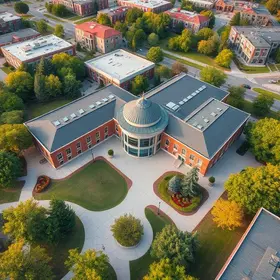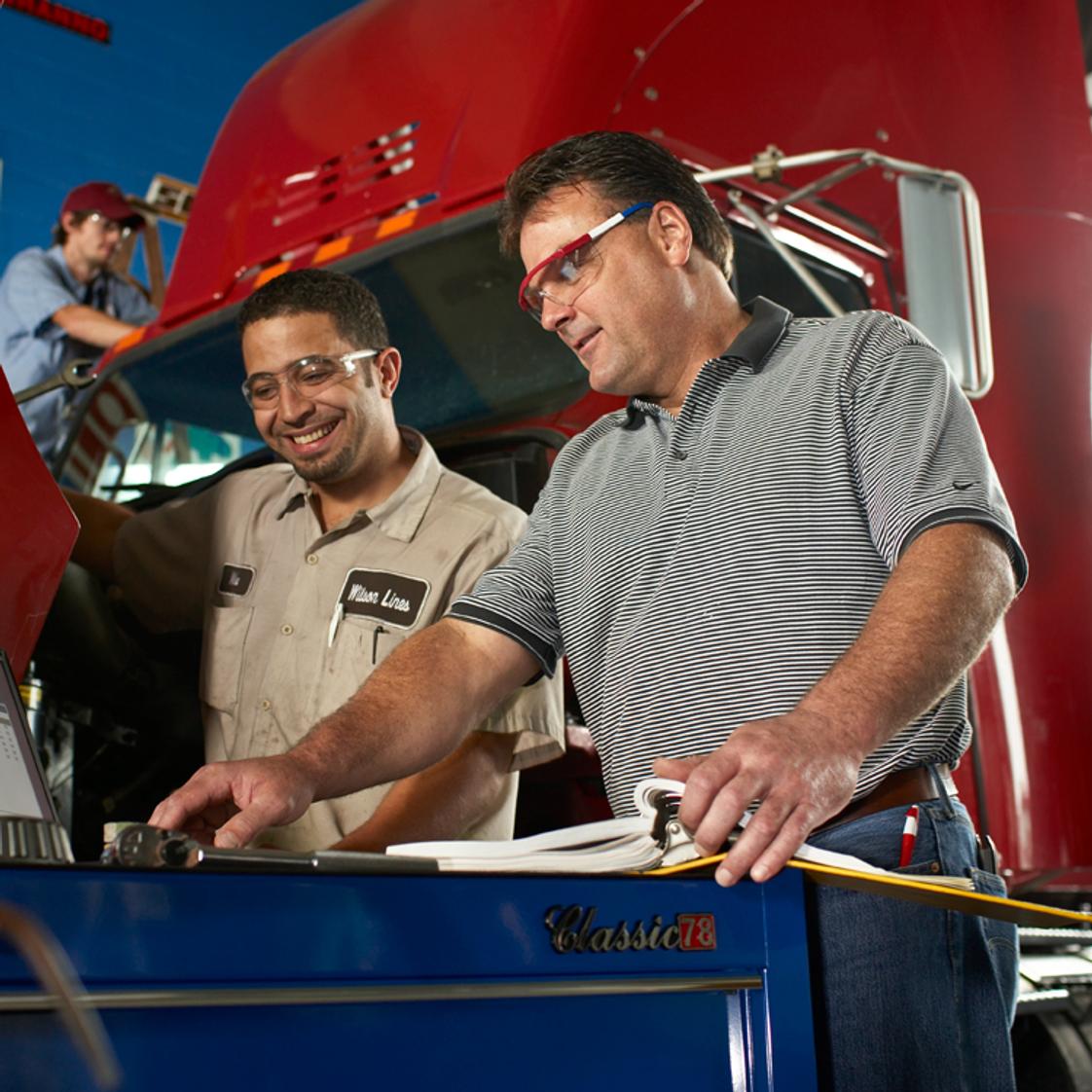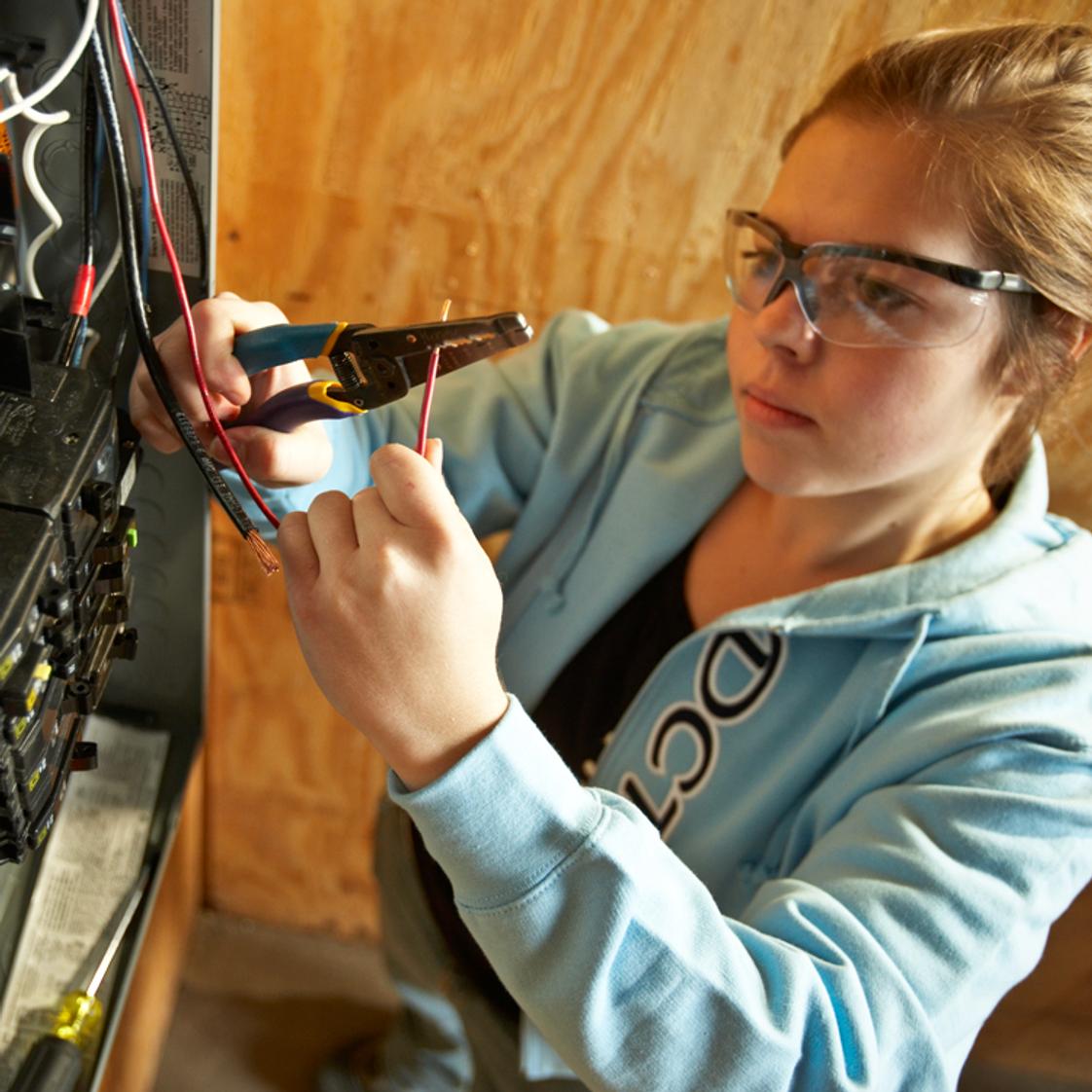
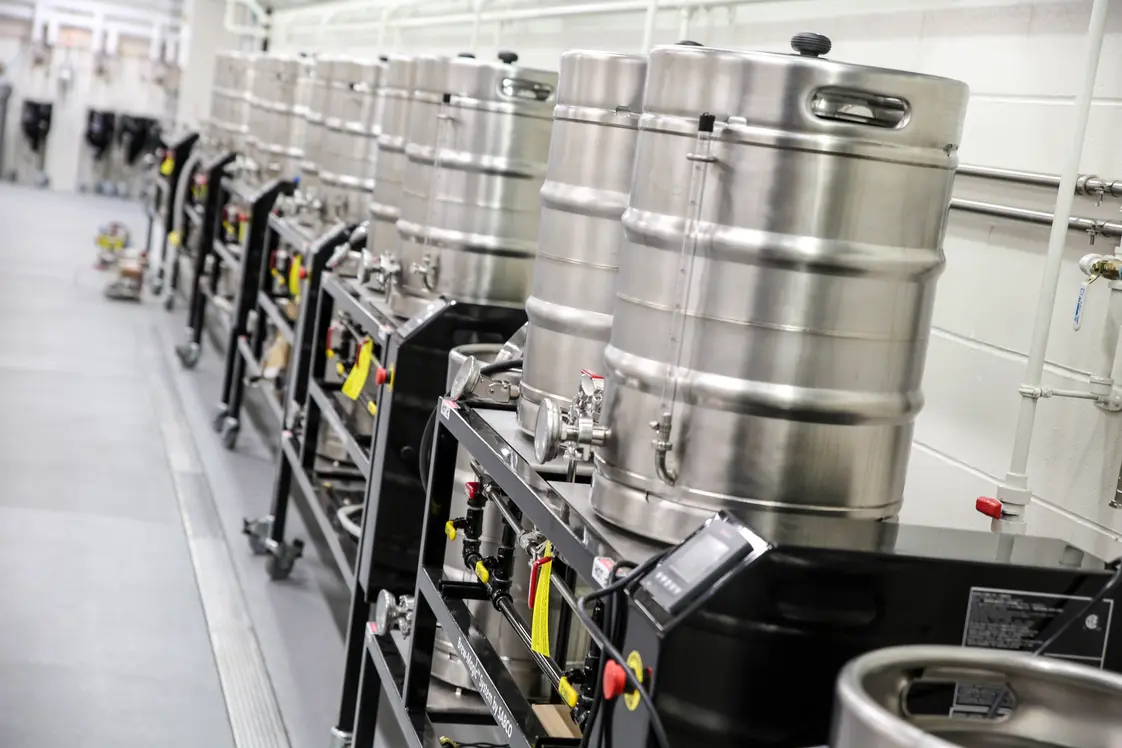



- Dakota County Technical College: Instructors with relevant industry experience Hands-on classes providing the practical work experience the market demands Flexible access to a variety of marketable skills in a collaborative environment An engaging, flexible environment dedicated to student success A technologically advanced environment committed to innovation and creativity
School Highlights
Quick Facts (26-27)
- Enrollment: 2,894 students
- In-state tuition: $5,661
- Out-state tuition: $5,661
- Student-teacher ratio: 33:1
- Minority enrollment: 38%
- Source: Verified school update
Top Rankings
Dakota County Technical College ranks among the top 20% of public schools in Minnesota for:
School Overview
Student Body
Showing 2012–2025. Full 19-year historical data available below ↓
Showing 2008–2025. Full 19-year historical data available below ↓
Showing 2013–2025. Full 19-year historical data available below ↓
Showing 2013–2025. Full 19-year historical data available below ↓
Showing 2013–2025. Full 19-year historical data available below ↓
Showing 2008–2025. Full 19-year historical data available below ↓
Showing 2010–2025. Full 19-year historical data available below ↓
Showing 2010–2025. Full 19-year historical data available below ↓
Showing 2010–2025. Full 19-year historical data available below ↓
Showing 2011–2025. Full 19-year historical data available below ↓
Showing 2015–2025. Full 19-year historical data available below ↓
Tuition & Financial Aid
Showing 2008–2025. Full 19-year historical data available below ↓
Showing 2012–2025. Full 19-year historical data available below ↓
Showing 2008–2020. Full 14-year historical data available below ↓
Showing 2008–2020. Full 14-year historical data available below ↓
Sports
Extracurriculars
School Notes
- Dakota County Technical College was created by the 1969 Minnesota Legislature and approved in 1970 by the Minnesota State Board of Education. Programs and facilities of Dakota County Technical College meet standards established by the Board of Trustees of the Minnesota State Colleges & Universities (MnSCU). All faculty are licensed. Local advisory committees evaluate and approve all program majors. Our main campus is located in Rosemount, Minn., a city of 15,000 30 minutes south of the Twin Cities. DCTC also has other conveniently located sites in Apple Valley, Burnsville and Eagan. DCTC serves nearly 11,500 students annually, with 5,400 students enrolled in regular credit courses and almost 6,000 students enrolled in customized training hour-based courses. DCTC instructors have worked extensively in their professions and remain active in the industry. They bring their business and industry experience into their classrooms, shops, labs and studios. Our instructors do more than teach--they advise and mentor students. They not only deliver superb coursework, but also work to achieve career results for their students such as help finding a new job or or improving current one.
Frequently Asked Questions
How much does Dakota County Technical College cost?
What sports does Dakota County Technical College offer?
What is Dakota County Technical College's ranking?
Nearby Schools

Inver Grove Heights, MN 55076
(651) 450-3000
Saint Paul, MN 55122
(651) 687-9000
Bloomington, MN 55431
(952) 851-0066
Bloomington, MN 55431
(952) 358-8200
Saint Paul, MN 55102
(651) 846-1600
Recent Articles