Why Community College

Learn all about community college and whether it is the right choice for your academic career. We'll cover the history of community colleges, the latest trends and issues, and the top degree-producing schools. Find out why students are turning to community colleges, see what issues affect campuses with such a diverse student body, and get information on the latest trends in degree offerings.

View the most popular articles in Why Community College:

How to Find the Best Community College for Your Unique Hearing Needs

Updated
|
How to Find the Best Community College for Your Unique Hearing Needs
If you have specific hearing needs, finding a supportive community college campus is critical. Learn about what to look for in a community college and what programs across the nation are providing innovative resources to those with hearing impairments.

Approximately 7 percent of Americans cope with various degrees of hearing loss, according to The New School. While most community colleges offer sign language courses, many students who require hearing assistance need more resources. Students who are hearing impaired often need access to a sign language interpreter for courses and require accommodations for oral or written assignments.

To help hearing-impaired students maximize their academic opportunities, community colleges are working to diversify their hearing services. With new forms of technology, experimental instructional courses, and additional venues for support, students who are hearing impaired can access an incredible cache of tools at a number of community college campuses across the country.

This video offers some strategies for teachers of hearing-impaired students.

What Hearing Support Services Should a Community College Offer?

According to The New School, an institution dedicated to providing classes for hearing impaired students, individuals who require hearing assistance may need a range of tools and support systems. As each individual student, regardless of hearing ability, has his or her own strengths, struggles, and needs, the best community colleges will provide a diverse array of resources for individual guidance. Examples of tools that may benefit hearing-impaired students include:

  • Sign language interpreting services in the classroom
  • Access to class materials and notes in advance so interpreters and/or students can prepare for upcoming lessons
  • Seating accommodations to place students who have a minor ability to hear sounds

. . .read more

Do Community College Applicants Need to Take Enrollment Exams?

Updated
|
Do Community College Applicants Need to Take Enrollment Exams?
Learn about whether or not you may need to take an enrollment exam at your local community college, as well as the benefits these exams may provide to your academic career.

Most students hold the perception that community colleges do not require entrance exams. However, more and more students are surprised to learn that they must complete enrollment exams before they attend a community college class.

Although enrollment exams are not necessarily required for all students at every school, many community colleges have implemented enrollment exams to better place each individual student in the most appropriate class setting. If students struggle with their enrollment exams, then administrators can quickly step in to provide foundational support. Conversely, students who perform well on enrollment exams enjoy greater class choice privileges.

What are Enrollment Exams?

Enrollment exams are basic skills or subject tests implemented to determine a student’s incoming knowledge in each content area. For example, at Queensborough Community College (QCC), located in Bayside, New York, all students must be completely proficient in specific areas of reading, writing, and math. To guide students, QCC has a specialized campus Testing Services Center. Here, the administrators of QCC allow students to partake in three different types of tests:

  • placement exams for new freshmen
  • exit exams for students completing remediation programs
  • proficiency exams that are required for graduation.

According to QCC, these exams help determine if students need remediation before entering college courses. If a student is found to be struggling, as revealed by his or her exam results, QCC provides students with an array of support systems

. . .read more

The Secret Signs of Undiagnosed Adult Attention Deficit Disorder

Updated
|
The Secret Signs of Undiagnosed Adult Attention Deficit Disorder
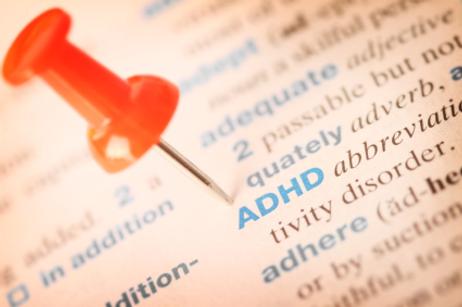
Learn about the symptoms of Adult ADD and ADHD, and how an undiagnosed disorder may impact your academic, social, and professional endeavors.

According to research, many adults who are diagnosed with Attention Deficit Hyperactivity Disorder (ADHD) remain untreated until the age of 18 or older. Updated information from the National Institute of Mental Health explains that ADHD symptoms can continue into adulthood and may affect academic performance, organization, social relationships, and workplace success.

Most experts assert that many adults remain untreated for ADHD due to a lack of information and delayed evaluation. The organization Children and Adults with Attention-Deficit/Hyperactivity Disorder (CHADD) further explains that improving awareness and access to support services remains one of the primary challenges facing students and families.

With so many individuals discovering their diagnosis of ADHD as adults, community college students who are struggling academically may need to review the potential symptoms to find out if ADHD could be one of the causes of their personal concerns and struggles. If ADHD is a specific concern for adult students attending community college, there are often support programs and resources for students to receive extra support and assistance.

What is ADHD?

ADHD is a disorder that causes the brain to function in a different manner than a “normal” brain. While all brains function uniquely, an individual with ADHD often experiences greater difficulty controlling thoughts, acting patiently, interacting socially, organizing tasks, and maintaining concentration.

While the problems of ADHD are centered in the brain, it is important to note that the issues of ADHD are physiological and neurological in nature. According to the

. . .read more

Avoid the 3 Major Pitfalls of the First Year of Community College

Updated
|
Avoid the 3 Major Pitfalls of the First Year of Community College
Learn about how you can avoid the commonly experienced pitfalls students encounter in the first few weeks of community college, and ensure that you do not slip through the cracks.

According to a recent USA Today report, “Students Less Engaged at Community College,” many community college students begin to slip through the cracks of student involvement and academia in just the first few weeks of a new semester!

In your first year of community college, avoid the three major pitfalls that could impact your academic and professional career.

Pitfall #1: Not Meeting with Advisors

Experts assert that students must be engaged from the beginning of their academic careers. Too many students forgo meetings with advisors, an excellent resource for planning your educational and professional career. Take advantage of advisors from your first quarter in community college; your academic career will be much easier to manage.

Some community colleges have started mandating that all students engage in advising sessions, ensuring that students are personally informed of the various opportunities on campus.

This video explains why you should meet with your advisor.

Pitfall #2: Not Interacting with Instructors

In examining the potential positive outcomes of increased faculty and student interaction, USA Today argues that although faculty involvement is imperative for enhanced student success, only 15 percent of students reportedly discuss grades, issues, questions, or assignments with teachers outside of class. Only over half of all community college students surveyed have ever met with an instructor for assistance outside of class!

Meeting with your instructor is beneficial not only for your learning and grades but also

. . .read more

Changing Student Demographics: Rising Number of Professional Students

Updated
|
Changing Student Demographics: Rising Number of Professional Students
Learn about the increasing numbers of older, professional students attending community colleges, which offer excellent opportunities for adult learners.

Amidst a shifting economy, job layoffs, unemployment, and other professional catalysts, community colleges are experiencing a rise in attendance from experienced students who have already engaged in work out in the “real world.” Today, as many adults are seeking new professional opportunities and training courses, community colleges are creating unique programs and classes to meet the new demands of an older student population.

Experiencing the Shift

As Community College Week reports, older students are returning to various community college campuses for an array of reasons. Specifically, and most commonly, many adults today are forced to cope with an unexpected career shift, as a rising number of employers and companies have been required to downsize their staff to accommodate a struggling economy’s spending changes.

The trend of adult students returning to community college campuses is not a new phenomenon. As researcher Cynthia Howell expounds, just a decade ago, in 1997, nearly a third of community college students were 30 years old or older! The trend has continued today, and due to the increased enrollment rates among older students, community colleges are experimenting with new methods for providing each unique student with support.

This video discusses some of the community college courses available for Kansas direct support professionals.

Meeting the Needs of Adult Learners

While many new community college students see their higher education pathway as both a professional and social experience, adult students enter into their community college coursework with a different focus and intent. As

. . .read more

Recent Articles

Will Your Community College GPA Follow You After Transfer?
Will your community college GPA follow you after transfer? Learn how university grades, transcripts, scholarships, graduate admissions, and academic standing may be affected by your previous college performance.
The Transfer Catalog-Year Trap: What Students Must Check
Could university requirements change before you transfer? Learn how catalog years, continuous enrollment, and degree rules affect your pathway, and what students should verify before choosing university courses.
Transfer Agreements: Admission vs. Your Major
Does your transfer agreement guarantee admission to your major? Discover what happens when universities accept transfer students but restrict entry to specific academic programs and degrees after admission.

Why Community College

OVERVIEW
What is a community college and why are more students turning to them? Who are some of the most famous community college graduates? Here you’ll find the answers to these questions and more.
TRENDS AND CURRENT ISSUES
Get information on the latest trends and issues affecting community colleges today. Explore the impact of community colleges on the global economy, get information on how community colleges have changed over the years, and see how the latest technologies are being employed on campus.
STUDENT POPULATIONS
Attracting students from all walks of like, community college campuses are rich with diversity. This section covers a myriad of issues relating to student populations. Learn more about LGBT support on community college campuses, explore adult-friendly degree programmers and, see what resources are available to veterans.
ENROLLMENT & ADMISSIONS
We provide a comprehensive look into some of the most important issues affecting enrollment and admissions. Get the latest news on declining enrollment across the country and the impact it has. Learn more about the latest trends in admissions requirements from vaccinations to placement tests. Find expert advice on what to expect your first year, and lean more about the pitfalls to avoid.