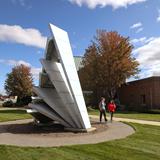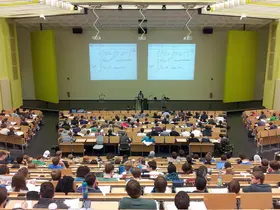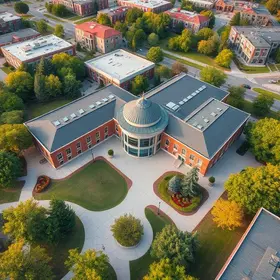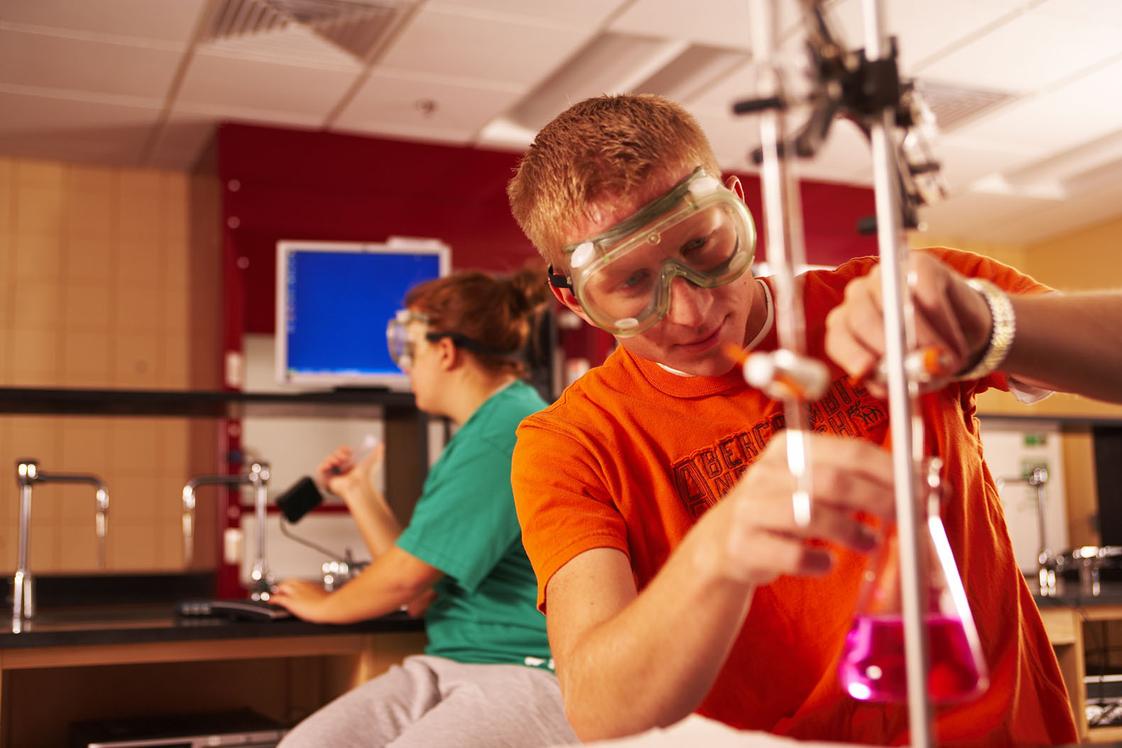


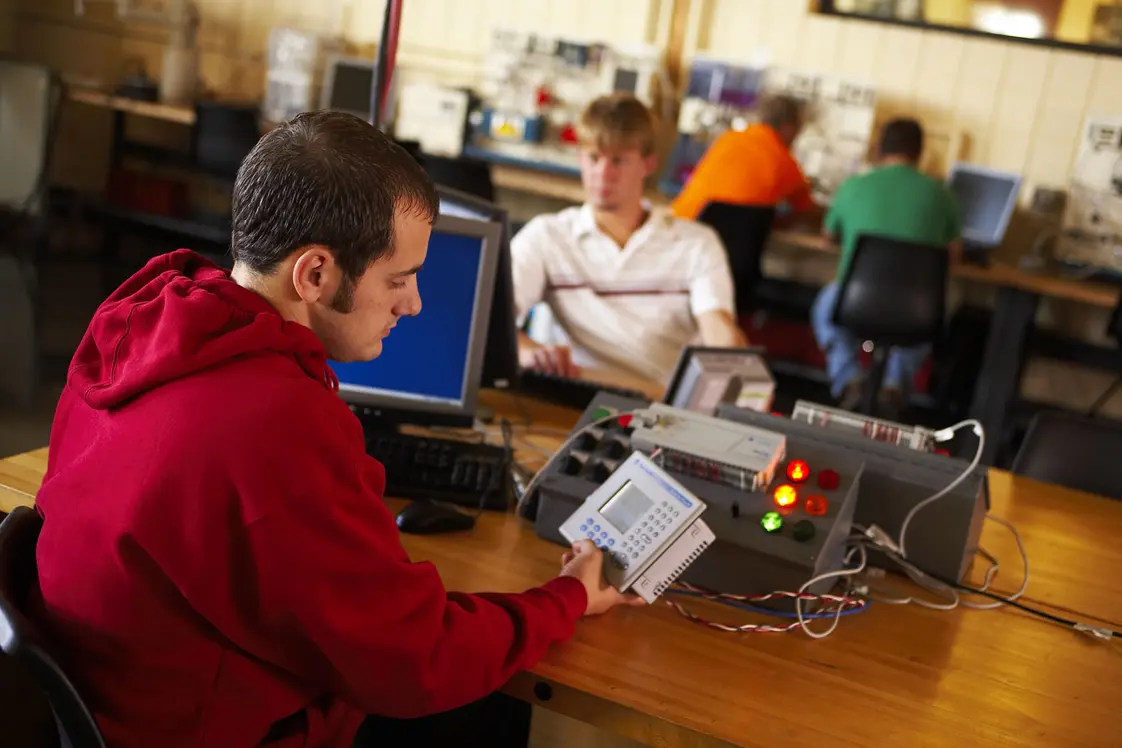
Ridgewater College Photo #8

Ridgewater College

2101 15th Ave NW
Willmar, MN 56201
Top-Ranked (2026-27): View Rankings
  • Ridgewater College is a comprehensive community and technical college offering education designed for transfer to a university as well as technical programs intended for direct entry into the workforce. Located in central Minnesota, Ridgewater has campuses in Hutchinson and Willmar. We are one of outstate Minnesota's largest public colleges, and are accredited by the Higher Learning Commission of the North Central Association of Colleges and Schools. Ridgewater College provides quality learning opportunities for students in accessible, affordable, and supportive settings.

School Highlights

Ridgewater College serves 3,148 students (48% of students are full-time).
The college's student-teacher ratio of 29:1 is lower than the state community college average of 36:1.
Minority enrollment is 23% of the student body (majority Hispanic), which is less than the state average of 43%.

Quick Facts (26-27)

  • Enrollment: 3,148 students
  • In-state tuition: $5,400
  • Out-state tuition: $5,400
  • Student-teacher ratio: 29:1
  • Minority enrollment: 23%
  • Source: Integrated Postsecondary Education Data System (IPEDS)

Top Rankings

Ridgewater College ranks among the top 20% of public schools in Minnesota for:

Category
Attribute

School Overview

The teacher population of 107 teachers has declined by 53% over five years.
Ridgewater College
(MN) Community College Avg.
Carnegie Classification
Associate's Colleges
Institution Level
At least 2 but less than 4 years
Institution Control
Public
Public
Year Founded
1961
Total Faculty
107 staff
94 staff
School Calendar

Student Body

The student population of Ridgewater College has stayed relatively flat over five years.
The student-teacher ratio of 29:1 has increased from 14:1 over five years.
The Ridgewater College diversity score of 0.39 is less than the state average of 0.63. The school's diversity has grown by 36% over five years.
Total Enrollment
3,148 students
2,882 students

Showing 2012–2025. Full 19-year historical data available below ↓

Student-Teacher Ratio
29:1
36:1

Showing 2008–2025. Full 19-year historical data available below ↓

# Full-Time Students
1,515 students
1,168 students

Showing 2013–2025. Full 19-year historical data available below ↓

# Part-Time Students
1,633 students
1,714 students

Showing 2013–2025. Full 19-year historical data available below ↓

# Enrollment Undergraduate
3,148 students
2,681 students
# Full-Time Undergraduate Students
1,515 students
1,143 students

Showing 2013–2025. Full 19-year historical data available below ↓

# Part-Time Undergraduate Students
1,633 students
1,714 students
% Asian
2%
6%
% Hispanic
11%
8%

Showing 2010–2025. Full 19-year historical data available below ↓

% Black
4%
16%

Showing 2010–2025. Full 19-year historical data available below ↓

% White
77%
57%

Showing 2010–2025. Full 19-year historical data available below ↓

% Two or more races
2%
4%
% Unknown races
3%
7%
Diversity Score
0.39
0.63

Showing 2011–2025. Full 19-year historical data available below ↓

College Completion Rate (Students who graduate in less than 4 years)
45%
34%

Showing 2015–2025. Full 19-year historical data available below ↓

Average Graduate Earnings (10 Years)
$35,300
$37,000

Tuition & Financial Aid

The public in-state tuition of $5,400 is less than the state average of $5,573. The in-state tuition has declined by 8% over four years.
The public out-state tuition of $5,400 is less than the state average of $6,083. The out-state tuition has declined by 8% over four years.
In-State Tuition Fees
$5,400
$5,573

Showing 2008–2025. Full 19-year historical data available below ↓

Out-State Tuition Fees
$5,400
$6,083
Tuition Notes
$204.03 per credit
% Students Receiving Some Financial Aid
81%
87%

Showing 2012–2025. Full 19-year historical data available below ↓

Median Debt for Graduates
$12,000
$12,750

Showing 2008–2020. Full 14-year historical data available below ↓

Median Debt for Dropouts
$5,931
$6,752

Showing 2008–2020. Full 14-year historical data available below ↓

Source: 2025 (or latest year available) Integrated Postsecondary Education Data System (IPEDS) , School Administrators

School Notes

  • Ridgewater College is a community and technical college that offers more than 100 educational programs in Transfer Education, transfer options, and technical education. Ridgewater College serves more than 5500 students on its campuses in the growing communities of Willmar and Hutchinson, Minnesota. Ridgewater College also offers some programs that are unique in the state of Minnesota and nationally. Small class sizes, up-to-date technology, and access to many student activities and organizations (including intercollegiate sports, choir, theater, and Student Senate) give students the opportunity to enjoy a positive college experience. Ridgewater College is proud of its scholarship foundation, and excellent graduation and job placement rates. Ridgewater College is recognized as an educational leader that exemplifies innovation and excellence within a student-centered learning environment, and is dedicated to providing an accessible, affordable, and supportive setting for all students. At Ridgewater College, students are encouraged to participate in a wide variety of activities including: arts, athletics, student government, theater, music, clubs, and organizations (offerings differ by campus). Ridgewater College is accredited by the Higher Learning Commission of the North Central Association of Colleges and Schools.

Frequently Asked Questions

How much does Ridgewater College cost?
Ridgewater College's tuition is approximately $5,400 for In-State students and $5,400 for Out-State students.
What is Ridgewater College's ranking?
Ridgewater College ranks among the top 20% of community college in Minnesota for: Least debt for graduating students.

Recent Articles

Required Course Full? Avoid Community College Degree Delays
Learn how a full required course can delay graduation, how to navigate waitlists, and how to find approved alternatives that protect your community college degree timeline and financial aid eligibility.
Catalog-Year Rules: Community College Graduation Requirements
Understand how catalog years determine community college graduation requirements, how enrollment breaks and major changes affect eligibility, and what to verify before choosing courses or switching to a newer catalog.
What If Your Community College Program Closes?
Learn what happens when your community college discontinues your program before graduation, including teach-out options, credit transfers, financial aid implications, student protections, and practical steps to finish your degree successfully.

Quick Facts (26-27)

  • Enrollment: 3,148 students
  • In-state tuition: $5,400
  • Out-state tuition: $5,400
  • Student-teacher ratio: 29:1
  • Minority enrollment: 23%
  • Source: Integrated Postsecondary Education Data System (IPEDS)

Related School Videos

Did You Know?

For Minnesota public community colleges, the average tuition is approximately $5,573 per year for in-state students and $6,083 for out-of-state students. For private community colleges, the average yearly tuition is approximately $17,176 per year. Read more about average community college tuition costs across the country.

The average community college acceptance rate in Minnesota is 85%. Read more about national community college acceptance rates.

Minnesota community colleges have a diversity score of 0.63, which is lower than the national average of 0.74. The most diverse community college in Minnesota is Saint Paul College. Read more about community college diversity statistics in the USA.

Quick Links