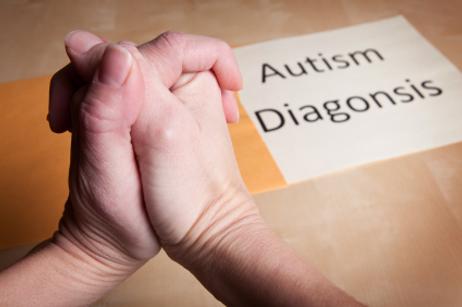
According to the CDC, approximately 1 in 31 children is identified with Autism Spectrum Disorder (ASD), reflecting updated national surveillance data released in 2025. As explained by Autism Speaks, Autism Spectrum Disorder is a developmental condition that typically involves challenges with social interaction, communication, and behavior.
ASD is a learning disability that typically involves a child's struggle to socially, emotionally, and personally interact with others. Autistic children tend to show an unawareness of others' feelings, facial recognition, and social cues.
Despite these struggles, however, ASD students are commonly intellectually exceptional. Autism Spectrum Disorder is described as a "spectrum" because the symptoms of each child can vary significantly. Those with strong signs of Autism are generally labeled as having "Classic Autism," while individuals with fewer signs of autism may be labeled as having "Asperger's Syndrome." Although the medical community now classifies Asperger's syndrome within Autism Spectrum Disorder, many families and older educational resources still use the term.
The Autism Society of America defines autism as a lifelong developmental disability that affects how people communicate, interact, and experience the world around them.
Autism is a neurodevelopmental disorder characterized by:
- Social impairments
- Cognitive impairments
- Communication difficulties
- Repetitive behaviors
According to Autism Speaks, "Compared with classic autism, children with Asperger's Syndrome usually don't show any signs of major cognitive difficulties, their IQ falls in the normal or even superior range." Similarly, children who are diagnosed with Classic Autism may have more noticeable signs but are often able to exceed their peers' standard intellectual and cognitive abilities.
High school students or adults who are diagnosed with Autism Spectrum Disorder can be confident that community colleges across the country have various programs for individualized support. As Autism Spectrum Disorder continues to be diagnosed more frequently than in previous decades, community college leaders are expanding disability services, transition programs, peer mentoring, and academic support designed to help students succeed. Students and families can also learn more about available accommodations by reading Community College Review's article, How Community Colleges Help Students with Disabilities.
This video offers a parent's perspective on educating an autistic child at community college.
How to Determine if a Community College is Right for an ASD Student
According to Community College Times, many students with Asperger's and Autism encounter new and often unexpected challenges in the college setting.
As ASD typically hinders one's social and communication skills, ASD students must learn the skills needed to become their own advocates. Unlike K-12 education, colleges operate under different disability laws, and students are generally responsible for requesting accommodations through the institution's disability services office. The U.S. Department of Education explains that colleges must provide reasonable accommodations but do not modify academic standards in the same manner as elementary and secondary schools.
Subsequently, for a student with ASD to begin his or her pathway to higher education, experts suggest a variety of strategies. Foremost, a student and his or her parents should meet with college counselors to ask imperative questions, some of which may include:
- What support centers does the campus offer for ASD students?
- Are there any professors or instructors who have undergone training or certification for teaching ASD students?
- Are modifications for ASD students available? (These may be extended time on tests or copies of teachers' notes.)
- Does the college offer any ASD-based social organizations? (These organizations could be a peer mentor program or an autism organization for students.)
In addition, students should ask whether the college has dedicated disability resource staff, executive functioning support, transition coaching, sensory-friendly study spaces, or peer mentoring opportunities. Community College Review's article, Students with Learning Disabilities Find Help in Community Colleges, discusses many of these services and how they contribute to student success.
This video offers some resources for students between high school and college with autism.
Community Colleges with Renowned ASD Support
With these central questions and topics in mind, there is an array of celebrated community college programs offering innovative resources for students with Autism Spectrum Disorder. While every institution offers different services, students and families should carefully compare disability services, transition support, campus culture, and academic accommodations when choosing the right community college.
For example, Bergen Community College (BCC), located in Paramus, New Jersey, is an outstanding institution with active organizations determined to increase student integration and guidance.
Through its groundbreaking "Autism Task Force," which is a group comprised of faculty members and students, BCC students seeking ASD support can find an array of mentors and resources. With the "Task Force," students can enroll in, for example, annual Autism Summits. Although the specific programming has evolved over the years, Bergen Community College continues to provide autism awareness initiatives, disability support services, and campus resources that encourage student success and inclusion.
By attending autism-focused campus events, students are able to discover more about Autism in today's workforce, as speakers and panels evaluate topics such as:
- How to know what employers are looking for
- How to become an advocate for oneself
- The rights of ASD candidates according to the Americans with Disabilities Act (ADA)
- Additional employment and professional topics focusing on ASD in the workforce
Furthermore, adding to the opportunities at BCC, students interested in taking courses at Howard Community College (HCC) will also encounter extensive forms of support. Located in Columbia, Maryland, HCC students can utilize the far-reaching resources available through the college's Accessibility & Disability Services office, together with partnerships that support students transitioning from high school to postsecondary education.
Historically, autistic students enrolled in HCC courses benefited from the efforts of "Project Access," which was specifically created to help individuals with disabilities facilitate a smoother transition from high school to postsecondary schools. Today, colleges across the country continue to expand transition planning, career counseling, academic coaching, and campus accessibility services designed to improve retention and student success. The National Center for Education Statistics continues to report growing participation among students with disabilities in postsecondary education.
Students should also inquire whether disability services offices offer assistance with executive functioning, note-taking accommodations, assistive technology, testing accommodations, priority registration, and peer mentoring. Community College Review's article, 5 Support Services to Boost Your Community College Success, explains how these campus resources often improve both academic performance and student confidence.
Faculty preparation also continues to improve. Many colleges encourage instructors to complete professional development focused on supporting neurodiverse learners. Community College Review's article, Teacher Training: Autism Teaching Certification, discusses how specialized training can help educators better understand the needs of autistic students.
With local ASD student groups, academic service centers, disability resource offices, and one-on-one tutoring programs, students with Autism can meet with their local community college advisor to determine if the campus is an ideal fit. As a growing number of autistic students continue enrolling in higher education, students and parents should be able to encounter a wide range of innovative resources at their nearby community college.