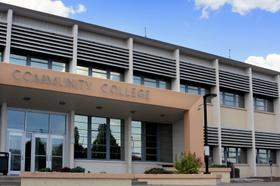

7 Lucrative Jobs You Can Land with a Community College Degree in 2025
For decades, the assumption has been that the more advanced your degree, the higher your earning potential. While that remains partly true, today’s job market tells a different story. In 2025, a community college degree can serve as a direct ticket to a high-paying, stable career—with significantly less debt and faster entry into the workforce compared to a traditional four-year degree.
Community colleges have long been known for affordability and accessibility. The average annual tuition and fees at a public two-year college in 2024–25 was about $3,990, compared with over $11,500 at a public four-year university (U.S. Department of Education). For many students, that cost difference is life-changing, especially as student loan debt continues to burden American families.
With employers seeking skilled workers in healthcare, technology, law, and the trades, associate degree holders are in high demand. Below are seven of the most lucrative jobs you can pursue with just a community college degree in 2025.
1. Registered Nurse (RN)
Median Salary (2024): $86,070 (Bureau of Labor Statistics)
Projected Growth (2022–2032): 6%
Nursing remains one of the most in-demand careers in the country. While many hospitals prefer bachelor-prepared nurses, associate degree in nursing (ADN) programs remain a primary entry point for thousands of new RNs each year. After completing an ADN, graduates must pass the NCLEX-RN exam for licensure.
Community college nursing graduates are filling urgent workforce gaps. According to the American