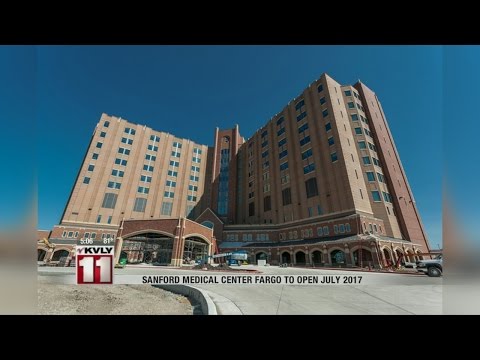
Sanford Health is a nonprofit, integrated health care delivery system headquartered in Sioux Falls, South Dakota, with additional offices in Fargo and Bismarck, North Dakota, and Bemidji, Minnesota.
School Highlights
Sanford Medical Center serves 28 students (100% of students are full-time).
The college's student-teacher ratio of 6:1 is lower than the state community college average of 18:1.
Minority enrollment is 79% of the student body (majority Black and Hispanic), which is more than the state average of 24%.
Quick Facts (26-27)
Enrollment: 28 students
Student-teacher ratio: 6:1
Minority enrollment: 79%
Source: Integrated Postsecondary Education Data System (IPEDS)
School Overview
The teacher population of 5 teachers has stayed relatively flat over five years.
Sanford Medical Center
(SD) Community College Avg.
Carnegie Classification
Not applicable, not in Carnegie universe (not accredited or nondegree-granting)
Baccalaureate/Associate's Colleges
Institution Level
At least 2 but less than 4 years
At least 2 but less than 4 years
Institution Control
Private not-for-profit
Private not-for-profit
Year Founded
1894
Total Faculty
5 staff
71 staff
Number of Programs Offered
1
1
Student Body
The student population of Sanford Medical Center has stayed relatively flat over five years.
The student-teacher ratio of 6:1 has stayed the same over five years.
The Sanford Medical Center diversity score of 0.45 is more than the state average of 0.41. The school's diversity has grown by 246% over five years.
Note: Data may not be displayed on any public-facing website or service that replicates or resembles a college search or review portal without prior written permission. See our Terms of Service.
Note: Data may not be displayed on any public-facing website or service that replicates or resembles a college search or review portal without prior written permission. See our Terms of Service.
Note: Data may not be displayed on any public-facing website or service that replicates or resembles a college search or review portal without prior written permission. See our Terms of Service.
Note: Data may not be displayed on any public-facing website or service that replicates or resembles a college search or review portal without prior written permission. See our Terms of Service.
Tuition & Financial Aid
Source: 2025 (or latest year available) Integrated Postsecondary Education Data System (IPEDS)
Learn how a full required course can delay graduation, how to navigate waitlists, and how to find approved alternatives that protect your community college degree timeline and financial aid eligibility.
Understand how catalog years determine community college graduation requirements, how enrollment breaks and major changes affect eligibility, and what to verify before choosing courses or switching to a newer catalog.
Learn what happens when your community college discontinues your program before graduation, including teach-out options, credit transfers, financial aid implications, student protections, and practical steps to finish your degree successfully.
Quick Facts (26-27)
Enrollment: 28 students
Student-teacher ratio: 6:1
Minority enrollment: 79%
Source: Integrated Postsecondary Education Data System (IPEDS)
For South Dakota public community colleges, the average tuition is approximately $5,786 per year for in-state students and $5,786 for out-of-state students. For private community colleges, the average yearly tuition is approximately $13,287 per year. Read more about average community college tuition costs across the country.