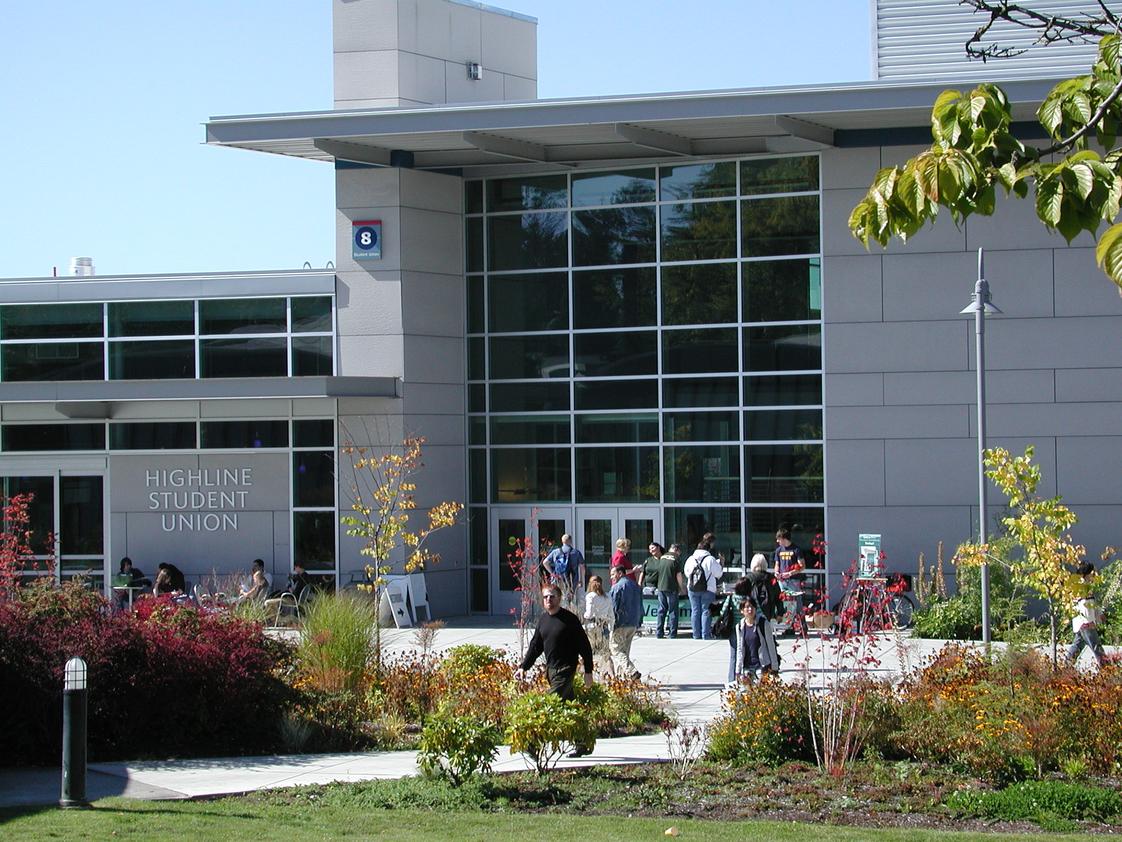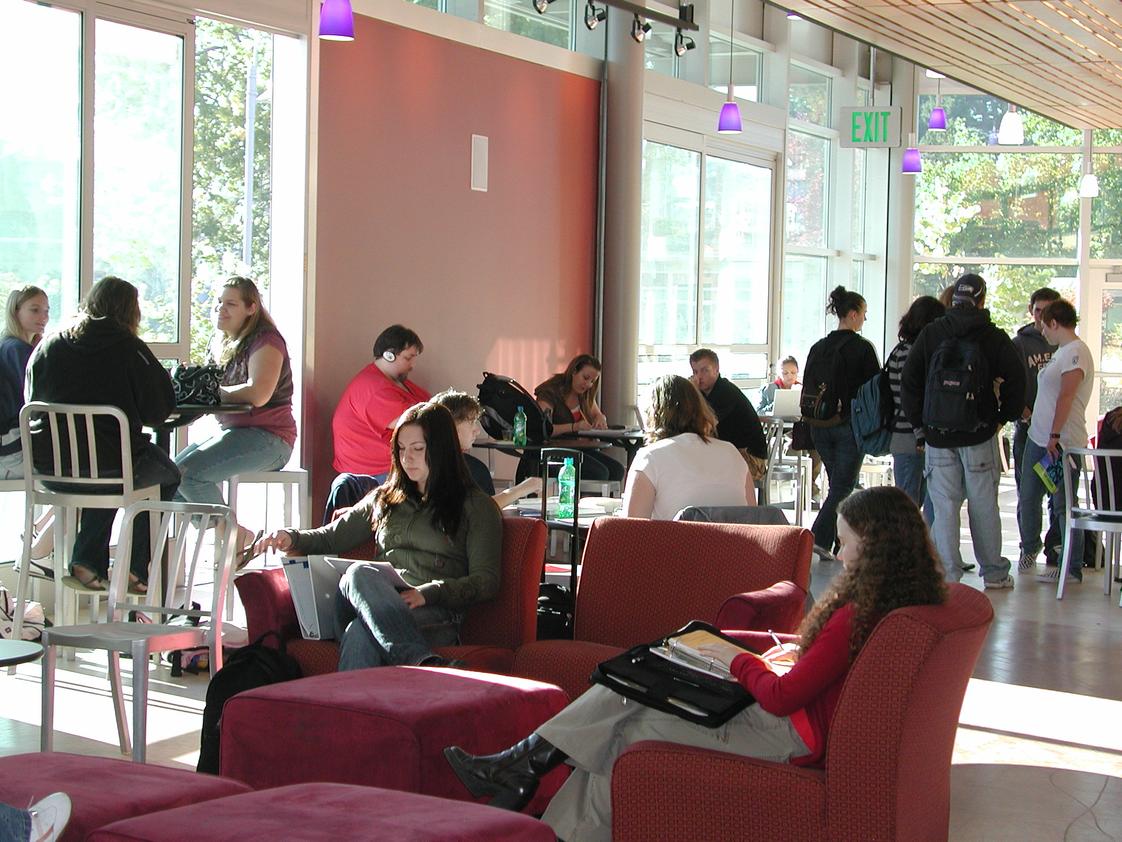


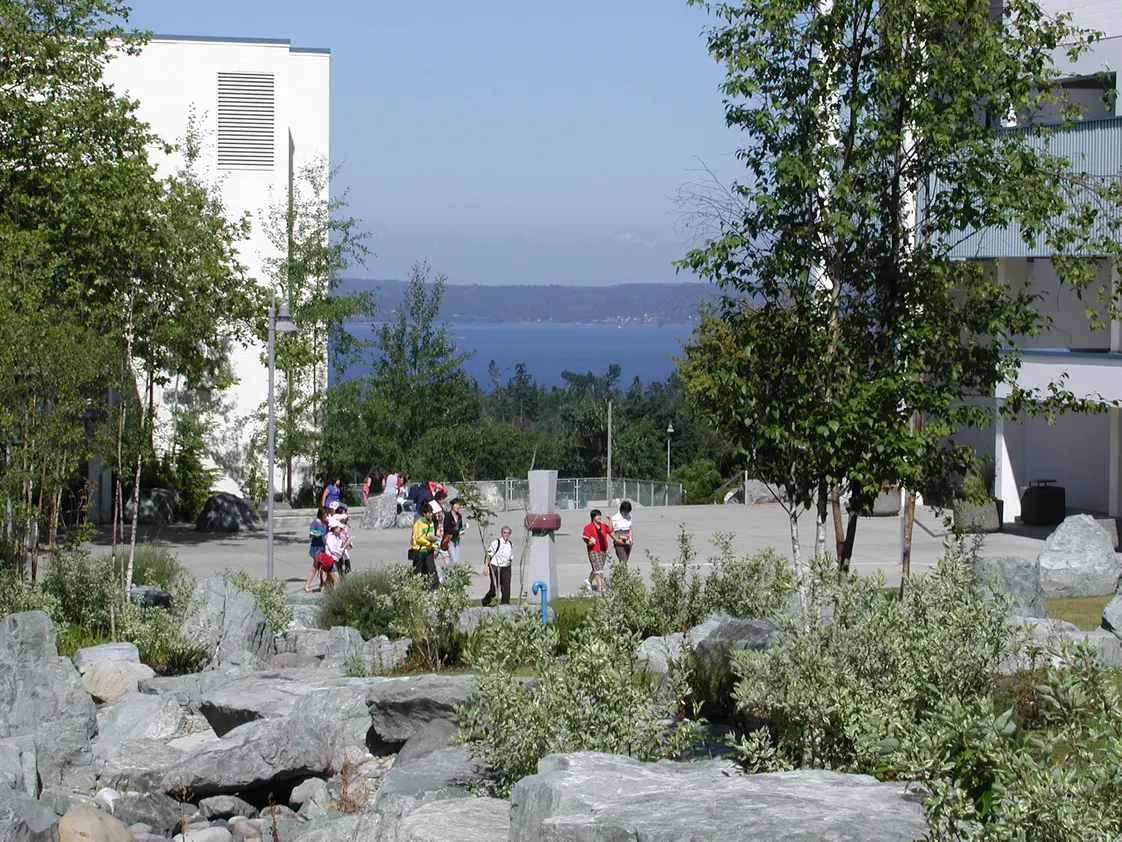
- Highline Community College is nationally and internationally recognized as a premier community college, a reputation earned through the development of an institutional culture that values innovation, globalization of curriculum, and community participation. It is one of 34 community and technical colleges in the state of Washington.
School Highlights
Highline College serves 5,592 students (57% of students are full-time).
The college's student-teacher ratio of 20:1 is lower than the state community college average of 24:1.
Minority enrollment is 82% of the student body (majority Hispanic and Asian), which is more than the state average of 60%.
Quick Facts (2026)
- Enrollment: 5,592 students
- In-state tuition: $4,000
- Out-state tuition: $4,401
- Student-teacher ratio: 20:1
- Minority enrollment: 82%
- Source: Integrated Postsecondary Education Data System (IPEDS)
Top Rankings
Highline College ranks among the top 20% of public schools in Washington for:
Category
Attribute
Affordability
Diversity
School Overview
The teacher population of 285 teachers has declined by 46% over five years.
Highline College
(WA) Community College Avg.
Carnegie Classification
Associate's Colleges
Institution Level
Four or more years
Four or more years
Institution Control
Public
Public
Colors
Blue and Gold
Total Faculty
285 staff
156 staff
School Calendar
Student Body
The student population of Highline College has stayed relatively flat over five years.
The student-teacher ratio of 20:1 has increased from 12:1 over five years.
The Highline College diversity score of 0.84 is more than the state average of 0.00. The school's diversity has stayed relatively flat over five years.
Total Enrollment
5,592 students
3,741 students
Student-Teacher Ratio
20:1
24:1
# Full-Time Students
3,211 students
1,835 students
# Part-Time Students
2,381 students
1,956 students
# Enrollment Undergraduate
5,592 students
3,741 students
# Full-Time Undergraduate Students
3,211 students
1,835 students
# Part-Time Undergraduate Students
2,381 students
1,956 students
Total Dormitory Capacity
160 students
150 students
% Asian
18%
9%
% Hispanic
19%
19%
% Black
17%
6%
% White
18%
40%
% Hawaiian
1%
n/a
% Two or more races
7%
8%
% Non Resident races
5%
3%
% Unknown races
14%
14%
Diversity Score
0.84
0.00
College Completion Rate (Students who graduate in less than 4 years)
32%
30%
College Completion Rate (Students who graduate in 4 years or more than 4 years)
40%
36%
Average Graduate Earnings (10 Years)
$38,300
$36,400
Tuition and Acceptance Rate
The public in-state tuition of $4,000 is less than the state average of $4,105. The in-state tuition has declined by 7% over four years.
The public out-state tuition of $4,401 is less than the state average of $7,359. The out-state tuition has declined by 8% over four years.
In-State Tuition Fees
$4,000
$4,105
Out-State Tuition Fees
$4,401
$7,359
Tuition Notes
3 qtrs, 15 credits
% Students Receiving Some Financial Aid
69%
70%
Median Debt for Graduates
$10,486
$11,794
Median Debt for Dropouts
$5,500
$6,242
Source: 2025 (or latest year available) Integrated Postsecondary Education Data System (IPEDS) , School Administrators
Frequently Asked Questions
How much does Highline College cost?
Highline College's tuition is approximately $4,000 for In-State students and $4,401 for Out-State students.
What is Highline College's ranking?
Highline College ranks among the top 20% of community college in Washington for: Least expensive tuition, Diversity in US community colleges and Average community college minority breakdown.
Recent Articles
Transfer Scholarship Timing: Avoid Costly Deadline Traps
Transfer scholarships can disappear when students apply too early or too late. Learn how admission, FAFSA, transcript, scholarship, and enrollment deadlines interact so you can protect valuable college aid.
Community College Bachelor’s Degree or Transfer?
Compare a community college bachelor’s degree with a university transfer by career goals, employer expectations, graduate study, cost, flexibility, and transfer risk to choose the safer path forward confidently today.
Transfer Credit Appeals: Protect Your Academic Plan
When transfer agreements change, community college students can protect credits, document prior guidance, appeal decisions, request substitutions, compare universities, and keep bachelor's degree plans financially and academically on track.