College of the Canyons

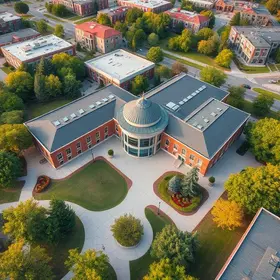
26455 Rockwell Canyon Rd
Santa Clarita, CA 91355
Top-Ranked (2026-27): View Rankings
  • College of the Canyons is dedicated to enhancing our reputation as a leading two-year college, recognized locally, regionally and statewide for technical advancement, institutional effectiveness, student support, model academic and professional programs, excellence in teaching and learning, and the sense of community that we provide to our students and staff.

School Highlights

College of the Canyons serves 18,075 students (30% of students are full-time).
The college's student-teacher ratio of 43:1 is lower than the state community college average of 44:1.
Minority enrollment is 74% of the student body (majority Hispanic), which is less than the state average of 77%.

Quick Facts (26-27)

  • Enrollment: 18,075 students
  • In-state tuition: $1,154
  • Out-state tuition: $5,474
  • Student-teacher ratio: 43:1
  • Minority enrollment: 74%
  • Source: Integrated Postsecondary Education Data System (IPEDS)

Top Rankings

College of the Canyons ranks among the top 20% of public schools in California for:

Category
Attribute
Affordability
Community Size

School Overview

The teacher population of 418 teachers has declined by 50% over five years.
College of the Canyons
(CA) Community College Avg.
Carnegie Classification
Associate's Colleges
Associate's Colleges: High Transfer-Mixed Traditional/Nontraditional
Institution Level
At least 2 but less than 4 years
Institution Control
Public
Public
Year Founded
1969
Campus Size
153 acres
Total Faculty
418 staff
72 staff
School Calendar

Student Body

The student population of College of the Canyons has declined by 12% over five years.
The student-teacher ratio of 43:1 has increased from 23:1 over five years.
The College of the Canyons diversity score of 0.67 is less than the state average of 0.71. The school's diversity has stayed relatively flat over five years.
Total Enrollment
18,075 students
6,838 students

Showing 2012–2025. Full 19-year historical data available below ↓

Student-Teacher Ratio
43:1
44:1
# Full-Time Students
5,405 students
1,022 students

Showing 2012–2025. Full 19-year historical data available below ↓

# Part-Time Students
12,670 students
5,816 students

Showing 2012–2025. Full 19-year historical data available below ↓

# Enrollment Undergraduate
18,075 students
2,055 students
# Full-Time Undergraduate Students
5,405 students
967 students

Showing 2013–2025. Full 19-year historical data available below ↓

# Part-Time Undergraduate Students
12,670 students
5,850 students
% Asian
10%
12%

Showing 2008–2025. Full 19-year historical data available below ↓

% Hispanic
50%
46%

Showing 2008–2025. Full 19-year historical data available below ↓

% Black
6%
7%

Showing 2008–2025. Full 19-year historical data available below ↓

% White
26%
23%

Showing 2010–2025. Full 19-year historical data available below ↓

% Two or more races
3%
5%
% Unknown races
4%
6%
Diversity Score
0.67
0.71

Showing 2011–2025. Full 19-year historical data available below ↓

College Completion Rate (Students who graduate in less than 4 years)
43%
42%

Showing 2015–2025. Full 19-year historical data available below ↓

Average Graduate Earnings (10 Years)
$42,900
$34,300

Tuition & Financial Aid

The public in-state tuition of $1,154 is less than the state average of $1,238. The in-state tuition has stayed relatively flat over four years.
The public out-state tuition of $5,474 is less than the state average of $6,634. The out-state tuition has declined by 36% over four years.
In-State Tuition Fees
$1,154
$1,238
Out-State Tuition Fees
$5,474
$6,634
% Students Receiving Some Financial Aid
83%
85%

Showing 2012–2025. Full 19-year historical data available below ↓

Median Debt for Graduates
$9,714
$10,500

Showing 2008–2020. Full 14-year historical data available below ↓

Median Debt for Dropouts
$5,500
$6,272

Showing 2008–2020. Full 14-year historical data available below ↓

Source: 2025 (or latest year available) Integrated Postsecondary Education Data System (IPEDS) , School Administrators

School Notes

  • College of the Canyons is a learning-centered community college that provides academic education and workforce training at the lower division level, to all capable of profiting from instruction. The college began in 1969 with only 800 students located on the campus of Hart High School in Newhall. It now serves more than 17,000 students each term by providing high-quality academic and technical programs including 1,528 class sections, 38 certificate training programs, 55 disciplines/majors, and 34 computer labs. Seventeen intercollegiate athletic programs, nine women's sports and eight men's, provide opportunities to participate in athletics for all who are interested. College of the Canyons is truly a one-of-a-kind resource for the Santa Clarita Valley. It has distinguished itself as one of the premier community colleges in California and is recognized for its leadership in correlating education with economic development, job retention and job creation. It is noted for its high quality academics, excellent facilities, faculty, staff, support systems and effective management of resources. Innovative programs involving partnerships with businesses, alliances with community members and other educational institutions combined with a high-energy, on campus environment have poised the college for the future.

Frequently Asked Questions

How much does College of the Canyons cost?
College of the Canyons's tuition is approximately $1,154 for In-State students and $5,474 for Out-State students.
What is College of the Canyons's ranking?
College of the Canyons ranks among the top 20% of community college in California for: Least expensive tuition and Largest student body.
In what neighborhood is College of the Canyons located?
College of the Canyons is located in the Valencia neighborhood of Santa Clarita, CA.

Recent Articles

Required Course Full? Avoid Community College Degree Delays
Learn how a full required course can delay graduation, how to navigate waitlists, and how to find approved alternatives that protect your community college degree timeline and financial aid eligibility.
Catalog-Year Rules: Community College Graduation Requirements
Understand how catalog years determine community college graduation requirements, how enrollment breaks and major changes affect eligibility, and what to verify before choosing courses or switching to a newer catalog.
What If Your Community College Program Closes?
Learn what happens when your community college discontinues your program before graduation, including teach-out options, credit transfers, financial aid implications, student protections, and practical steps to finish your degree successfully.

Quick Facts (26-27)

  • Enrollment: 18,075 students
  • In-state tuition: $1,154
  • Out-state tuition: $5,474
  • Student-teacher ratio: 43:1
  • Minority enrollment: 74%
  • Source: Integrated Postsecondary Education Data System (IPEDS)

Related School Videos

Did You Know?

The average community college acceptance rate in Los Angeles County, CA is 75%. Read more about national community college acceptance rates.

Los Angeles County, CA community colleges have a diversity score of 0.64, which is lower than the national average of 0.74. The most diverse community college in Los Angeles County, CA is Theatre of Arts. Read more about community college diversity statistics in the USA.

Quick Links