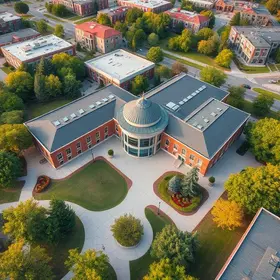

Due to the financial challenges incoming students face, many local and state leaders are advocating for tuition-free community college programs. As community colleges strive to provide local residents with programs for certification, degrees, and training, many community leaders argue that tuition-free programs will help students to more effectively prepare for the job market without being subjected to high educational costs during difficult economic times.
In 2026, the conversation surrounding tuition-free community college continues expanding nationwide as states increasingly invest in workforce development, technical education, and affordable higher education pathways.
The Tuition-Free Debate
As Diverse Community College revealed in its original investigation, the county mayors of both Knoxville and Memphis asserted that residents of their communities should have access to free public education at local community colleges. Mayors A.C. Wharton and Mike Ragsdale of local Tennessee counties argued that, in utilizing the resources of scholarships and grants that were already available, local community colleges could shift their programs to create tuition-free pathways for incoming and current students.
As Tennessee, along with many other states across the country, faced job losses and economic uncertainty, Wharton argued that tuition-free programs represented an effort to create a more effective and prepared workforce: “We want to blast our way into being able to produce a world-class workforce. You can't do that with merely a high school diploma.”
That workforce-development argument remains highly relevant in 2026. According to the National Center for Education Statistics, community colleges continue serving millions of students seeking