Transportation Challenges for Community College Students: Affordable Solutions in 2026
Transportation challenges for community college students remain one of the most persistent and underexamined barriers to college access and completion. In 2026, rising housing costs, expanding suburban campuses, and continued enrollment growth have made transportation challenges for community college students more complex than ever. For many learners, transportation challenges for community college students directly affect attendance, academic performance, and retention.
Community colleges enroll nearly half of all undergraduate students in the United States, many of whom balance school with work and family responsibilities. Transportation challenges for community college students are especially acute because these institutions often serve older students, first-generation learners, and students from lower-income households. Addressing transportation challenges for community college students is now a priority for campus leaders, policymakers, and regional transit agencies.
This article examines the transportation challenges for community college students in 2026 and highlights affordable, scalable solutions that colleges are adopting nationwide.
Why Transportation Challenges for Community College Students Persist
Transportation challenges for community college students differ from those faced by students at residential four-year institutions. Most community college students commute, often long distances, using a mix of personal vehicles, public transit, and informal ride arrangements.
Key factors driving transportation challenges for community college students include:
- Limited public transit routes serving suburban or rural campuses
- Rising fuel, insurance, and vehicle maintenance costs
- Inflexible class schedules combined with work commitments
- Inadequate parking infrastructure and parking fees
- Safety concerns related to late-night travel
According to data from the U.S. Department of Transportation, transportation costs are now the second-largest household expense for low- and moderate-income families, intensifying transportation challenges for community college students who already face financial pressure. Transportation challenges for community college students often result in missed classes, reduced course loads, or complete withdrawal from college.
How Transportation Challenges for Community College Students Affect Student Success
Transportation challenges for community college students are not merely logistical issues. They are academic equity issues. Research consistently shows that transportation challenges for community college students correlate with lower persistence and completion rates.
Common academic consequences of transportation challenges for community college students include:
- Chronic tardiness or absenteeism
- Limited access to tutoring, advising, and campus services
- Reduced participation in labs and hands-on coursework
- Higher stress and time poverty
A 2025 survey by the American Association of Community Colleges found that transportation challenges for community college students ranked among the top five non-academic reasons for dropping or stopping out. As community colleges expand workforce training and evening programs, transportation challenges for community college students continue to shape enrollment patterns.
Public Transit Partnerships as a Core Solution in 2026
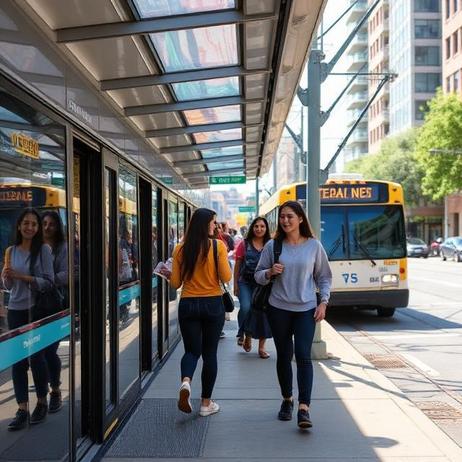
One of the most effective responses to transportation challenges for community college students in 2026 is the expansion of transit pass partnerships. Colleges increasingly negotiate universal transit pass programs with local agencies, allowing students to ride buses and trains at reduced or no cost.
These programs reduce transportation challenges for community college students by:
- Lowering out-of-pocket commuting expenses
- Increasing route predictability and reliability
- Encouraging enrollment among transit-dependent students
In urban regions, community colleges partner with transit authorities guided by best practices from the American Public Transportation Association. In 2026, more systems are integrating real-time tracking apps and mobile student ID verification, making public transit a more viable solution to transportation challenges for community college students.
Micro-Mobility and Last-Mile Transportation Options
Transportation challenges for community college students often arise during the last mile between transit stops and campus entrances. In response, many colleges in 2026 are expanding micro-mobility solutions.
Examples include:
- Campus-sponsored e-bike and scooter programs
- Subsidized memberships with local bike-share companies
- Improved bike lanes and secure storage
These options address transportation challenges for community college students by reducing reliance on cars and filling gaps left by limited bus routes. Micro-mobility solutions are particularly effective in mid-sized cities and college districts where parking shortages compound transportation challenges for community college students.
Carpooling and Rideshare Innovations
Carpooling has re-emerged as a cost-effective response to transportation challenges for community college students. In 2026, colleges increasingly deploy app-based carpool platforms tailored to students, faculty, and staff.
These platforms help reduce transportation challenges for community college students by:
- Matching riders with similar schedules
- Sharing fuel and parking costs
- Increasing safety through verified users
Some colleges also negotiate discounted rates with regional rideshare providers for evening classes, addressing transportation challenges for community college students who attend night programs or lack access to public transit after hours.
Virtual Learning and Hybrid Scheduling as Transportation Relief
While in-person instruction remains essential, hybrid and flexible learning models have become a strategic response to transportation challenges for community college students. In 2026, many institutions design course schedules with transportation equity in mind.
Hybrid learning reduces transportation challenges for community college students by:
- Limiting required on-campus days
- Allowing asynchronous participation when commuting fails
- Supporting students with variable work schedules
Community colleges also coordinate block scheduling to minimize daily trips, reducing transportation challenges for community college students while maintaining instructional quality.
Financial Aid and Transportation Stipends
Transportation challenges for community college students are increasingly addressed through direct financial support. In 2026, more colleges allocate emergency aid and completion grants specifically for transportation expenses.
Common transportation-focused supports include:
- Gas cards and transit vouchers
- Emergency car repair grants
- Parking fee waivers
Some colleges integrate transportation costs into cost-of-attendance calculations, aligning with recommendations. These efforts recognize that transportation challenges for community college students are a legitimate educational expense, not a personal inconvenience.
Rural Community Colleges and Unique Transportation Challenges
Transportation challenges for community college students are most severe in rural regions, where public transit options are limited or nonexistent. In 2026, rural colleges are adopting creative, community-based solutions.
These include:
- College-operated shuttle routes connecting key towns
- Partnerships with county transit agencies
- Coordinated scheduling with local employers
Addressing transportation challenges for community college students in rural areas often requires regional collaboration and state funding support. While solutions vary, the goal remains consistent: reducing transportation challenges for community college students so geography does not determine educational opportunity.
Comparing Transportation Solutions for Community College Students
| Solution Type | Cost to Students | Scalability | Best Fit |
|---|---|---|---|
| Transit Pass Programs | Low to none | High | Urban campuses |
| Micro-Mobility | Low | Medium | Dense college districts |
| Carpool Platforms | Low | Medium | Suburban campuses |
| Hybrid Scheduling | None | High | All regions |
| Transportation Grants | Variable | Medium | High-need students |
Each approach addresses transportation challenges for community college students differently. Most colleges combine multiple strategies to reduce transportation challenges for community college students across diverse populations.
Looking Ahead: Transportation Equity as Student Success Strategy
In 2026, transportation challenges for community college students are no longer viewed as peripheral issues. They are central to conversations about access, equity, and completion. Colleges that proactively address transportation challenges for community college students are better positioned to improve retention and workforce outcomes.
As enrollment demographics continue to evolve, transportation challenges for community college students will require sustained investment and innovation. By aligning transit partnerships, financial aid, and instructional design, community colleges can transform transportation challenges for community college students into opportunities for inclusive growth.
Transportation challenges for community college students will not disappear overnight, but with intentional planning and collaboration, they can become manageable and measurable. For students striving to balance education with real-world responsibilities, solving transportation challenges for community college students remains a critical step toward college success.