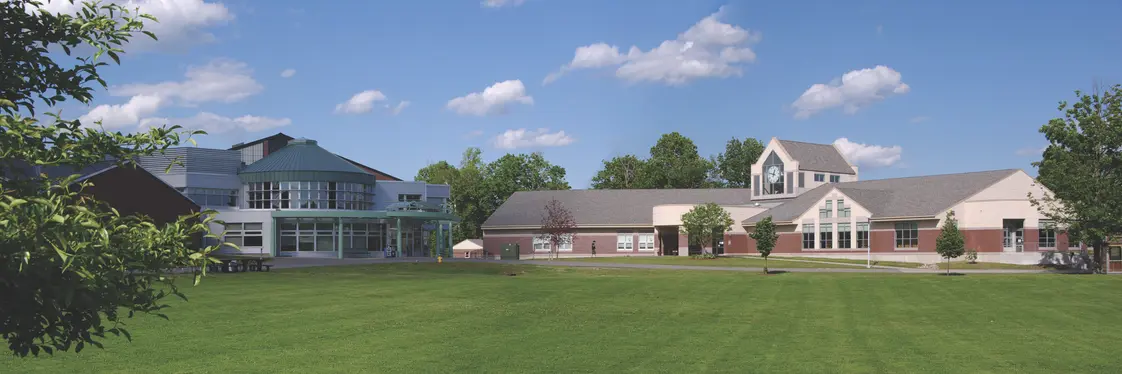
The community colleges in New Hampshire are comprised of approximately 30% minorities (2026-27).
The community colleges minority in New Hampshire are listed below (where sufficient data available).



Minority Range: 23%
53%
Avg. Minority: 31%
Minority Student Percentage Trends (2007-2013)
Community College Minority Statistics in New Hampshire (2026-27)
College
% Minority
Location
Rank: #11.
St Joseph School of Nursing
Private not-for-profit
Minority: 53%
5 Woodward Ave
Nashua, NH 03060
(603) 884-4643
Nashua, NH 03060
(603) 884-4643
Rank: #22.
Nashua Community College
Public
Minority: 37%
505 Amherst St
Nashua, NH 03063
(603) 578-8900
Nashua, NH 03063
(603) 578-8900
Rank: #33.
Manchester Community College
Public
Minority: 33%
1066 Front St
Manchester, NH 03102
(603) 206-8000
Manchester, NH 03102
(603) 206-8000
Rank: #44.

Minority: 28%
31 College Drive
Concord, NH 03301
(603) 271-6484
Concord, NH 03301
(603) 271-6484
Rank: #5 - 65. - 6.
Minority: 26%
1 College Place
Claremont, NH 03743
(603) 542-7744
Claremont, NH 03743
(603) 542-7744
Rank: #5 - 65. - 6.
Great Bay Community College
Public
Minority: 26%
320 Corporate Drive
Portsmouth, NH 03801
(603) 427-7600
Portsmouth, NH 03801
(603) 427-7600
Rank: #77.
Minority: 24%
379 Belmont Road
Laconia, NH 03246
(603) 524-3207
Laconia, NH 03246
(603) 524-3207
Rank: #88.
Minority: 23%
2020 Riverside Drive
Berlin, NH 03570
(603) 752-1113
Berlin, NH 03570
(603) 752-1113
Frequently Asked Questions
What is the New Hampshire average percent of minority students in community college?
The New Hampshire average percent of minority students in community college is approximately 30% for 2026-27.
What are the most diverse community college in New Hampshire?
The most diverse community college in New Hampshire include St Joseph School of Nursing, Nashua Community College and Manchester Community College.
Recent Articles

How to Judge Community College AI Skills Training
Learn how to evaluate whether community college AI training delivers skills employers recognize by checking curriculum, projects, credentials, faculty, partnerships, job postings, assessments, and graduate outcomes before enrolling.

International or Undocumented Student? Check 5 Policies
International and undocumented community college applicants face different rules. Before applying, verify admission eligibility, tuition classification, financial aid, employment restrictions, and transfer requirements to avoid costly surprises later on campus.

Should You Accept Your Math Placement or Challenge It?
Learn when to accept your community college math placement, when to challenge it, and how transcripts, test scores, major requirements, and academic readiness can guide your decision confidently.