
Introduction
Non-traditional students now represent a substantial portion of the community college population, with the average age around 27 and two-thirds of students attending part-time according to recent national data. These learners often balance work, family, caregiving, and economic responsibilities while pursuing credentials that can improve their career prospects and earnings potential.
In 2026, community colleges remain a vital pathway to postsecondary success. Tuition remains relatively affordable compared with four-year institutions, with modest increases in recent years, making these institutions attractive to learners of all ages concerned about cost and debt.
Despite these advantages, non-traditional learners encounter persistent challenges that can affect their ability to enroll, persist, and complete programs. This article updates an earlier review for the current academic climate, linking key barriers to timely admissions, financial planning, student services, and academic trends that families and advisors should understand.
Financial Constraints and Cost Management
Financial stress is near the top of the challenge list for non-traditional students. While community college tuition remains lower than four-year alternatives, total annual costs including books, transportation, supplies, and living expenses can add up quickly and exceed tuition alone.
Many non-traditional students are financially independent, supporting families or covering household bills while enrolled. The complexity of balancing tuition with everyday obligations frequently leads students to enroll part-time or pause studies entirely. In some policy proposals debated at the federal level, changes to eligibility criteria for Pell Grants could make it harder for part-time students to access full aid, heightening the financial burden on working learners.
Key considerations for parents and students:
Explore all sources of aid early in the admissions cycle, including Pell Grants, state grants, scholarships, and work-study.
Budget not only for tuition but for ancillary costs like childcare, transportation, and course materials.
Understand how enrollment status (full-time vs. part-time) influences aid eligibility and academic planning.
Time and Schedule Constraints
Balancing academic responsibilities with employment, family, and personal commitments remains one of the most pervasive challenges facing non-traditional learners. Surveys show that time management issues, including fitting coursework around work schedules and caregiving duties, regularly top the list of reported barriers.
Community colleges have responded by expanding flexible scheduling, offering evening, weekend, hybrid, and fully online courses designed for students who cannot attend traditional daytime classes. However, navigating these options and aligning them with personal obligations persists as a planning hurdle for many.
Actionable advice:
Prioritize admissions timelines and course registration dates well before the start of each term to secure classes that fit your schedule.
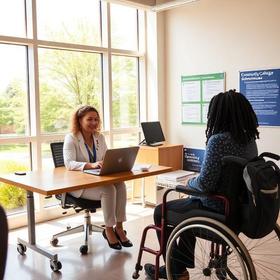
Work with academic advisors to create a realistic semester plan, incorporating work and family commitments.
Technology Barriers and Digital Literacy
As more classes incorporate online content and digital platforms for communication, instruction, and assessment, non-traditional students who have been out of formal education for years often face challenges with technology. Issues range from basic digital literacy to securing reliable access to a computer and high-speed internet.
Many institutions provide computer labs and support services, but limited access outside of standard hours can leave learners feeling disadvantaged. Colleges are also grappling with the broader challenge of tech adoption, as underfunded systems and varying faculty familiarity with digital tools can affect the quality of online learning environments.
Support strategies:
Attend technology orientation sessions offered before or early in the semester.
Identify campus resources like tutoring labs or digital literacy workshops to build comfort with learning platforms and software.
Academic Readiness and Confidence
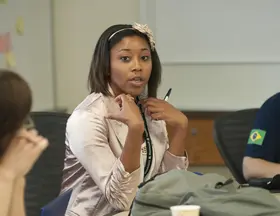
Non-traditional students often return to the classroom after a significant gap, which can affect academic readiness and self-confidence. Some learners may feel out of place among younger peers or struggle with course expectations after years away from academic study.
Academic support services such as tutoring, study skills workshops, and bridge programs aimed at returning learners can make a meaningful difference. Connecting with support networks right after admission and planning for regular use of these resources can boost confidence and help students stay on track.
Parent and advisor tips:
Encourage early assessment of academic strengths and weaknesses to plan for supplementary supports.
Promote involvement in learning communities or mentor programs that can provide encouragement and accountability.
Sense of Belonging and Campus Engagement
Non-traditional learners may feel socially or culturally disconnected from the broader campus community, especially if institutional activities and communications are tailored toward traditional full-time students.
This lack of belonging can contribute to isolation or disengagement, undermining persistence. Proactive outreach by colleges through tailored communication and support networks can help integrate non-traditional students into campus life.
What families should consider:
Look for institutions with dedicated adult learner services or communities.
Ask admissions or student services about extracurricular, learning, or support groups that bring together learners with similar life experiences.
Admissions Navigation and Information Gaps
For many first-generation or returning learners, navigating the admissions process, financial aid applications, and program selection can feel overwhelming. Complex procedures and unclear deadlines can deter applicants or delay enrollment.
To mitigate these barriers, families and learners should engage early with admissions counselors and use official resources to track important steps and deadlines. Community College Review’s guide to enrolling as a non-traditional student offers updated admissions strategies and timelines that can streamline planning. communitycollegereview.com/blog/nontraditional-students-guide-to-community-college-2025
Conclusion
Non-traditional students bring rich life and work experiences to community colleges, making them key contributors to academic communities and future workforces. Yet they face distinct challenges that require intentional planning, institutional support, and proactive engagement. Families and advisors can play an essential role in helping learners anticipate barriers, access resources, and stay on course for completion. With thoughtful preparation and support, community colleges can be powerful tools for economic mobility and personal achievement in 2026.