Ohio State University Agricultural Technical Institute

1328 Dover Rd
Wooster, OH 44691
Top-Ranked (2026-27): View Rankings
  • The Ohio State University Agricultural Technical Institute provides students with an outstanding education in horticulture, agriculture, environmental and laboratory sciences, business, and engineering technologies.

School Highlights

Ohio State University Agricultural Technical Institute serves 493 students (92% of students are full-time).
The college's student-teacher ratio of 16:1 is lower than the state community college average of 31:1.
Minority enrollment is 10% of the student body (majority Black and Hispanic), which is less than the state average of 38%.

Quick Facts (26-27)

  • Enrollment: 493 students
  • In-state tuition: $7,223
  • Out-state tuition: $23,703
  • Student-teacher ratio: 16:1
  • Minority enrollment: 10%
  • Source: Integrated Postsecondary Education Data System (IPEDS)

Top Rankings

Ohio State University Agricultural Technical Institute ranks among the top 20% of public schools in Ohio for:

Category
Attribute

School Overview

The teacher population of 31 teachers has declined by 63% over five years.
Ohio State University Agricultural Technical Institute
(OH) Community College Avg.
Carnegie Classification
Associate's Colleges
Baccalaureate/Associate's Colleges
Institution Level
At least 2 but less than 4 years
Institution Control
Public
Private not-for-profit
Year Founded
1969
Campus Size
3600 acres
Total Faculty
31 staff
24 staff
School Calendar

Student Body

The student population of Ohio State University Agricultural Technical Institute has declined by 9% over five years.
The student-teacher ratio of 16:1 has increased from 7:1 over five years.
The Ohio State University Agricultural Technical Institute diversity score of 0.19 is less than the state average of 0.58. The school's diversity has stayed relatively flat over five years.
Total Enrollment
493 students
612 students

Showing 2012–2025. View full 19-year historical data

Student-Teacher Ratio
16:1
31:1
# Full-Time Students
453 students
342 students

Showing 2012–2025. View full 19-year historical data

# Part-Time Students
40 students
270 students

Showing 2012–2025. View full 19-year historical data

# Enrollment Undergraduate
453 students
565 students
# Full-Time Undergraduate Students
453 students
342 students

Showing 2012–2025. View full 19-year historical data

% Hispanic
2%
6%
% Black
2%
16%
% White
90%
62%

Showing 2010–2025. View full 19-year historical data

% Hawaiian
1%
n/a
% Two or more races
2%
4%
% Unknown races
2%
8%
Diversity Score
0.19
0.58

Showing 2011–2025. View full 19-year historical data

College Completion Rate (Students who graduate in less than 4 years)
50%
59%

Showing 2015–2025. View full 19-year historical data

Median Earnings 10 Years After Entry (measured in 2022-2023, in 2024 dollars)
$67,080
$42,156

Points are in the dollars of their own College Scorecard release, and the colleges behind the state line differ by period. The lines do not show inflation-adjusted growth.

Tuition & Financial Aid

The public in-state tuition of $7,223 is more than the state average of $5,027. The in-state tuition has declined by 16% over four years.
The public out-state tuition of $23,703 is more than the state average of $10,828. The out-state tuition has declined by 25% over four years.
In-State Tuition Fees
$7,223
$5,027
Out-State Tuition Fees
$23,703
$10,828

Showing 2008–2025. View full 19-year historical data

% Students Receiving Some Financial Aid
91%
91%

Showing 2012–2025. View full 19-year historical data

Median Debt for Graduates
$20,500
$18,562

Showing 2008–2020. View full 14-year historical data

Median Debt for Dropouts
$6,500
$6,516

Showing 2008–2020. View full 14-year historical data

Source: 2025 (or latest year available) Integrated Postsecondary Education Data System (IPEDS)

School Notes

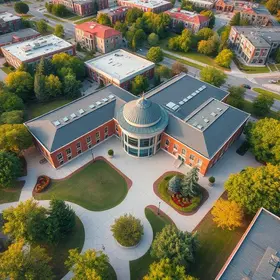
  • Nestled in the rolling hills just outside Wooster, Ohio, our campus draws students from far afield and from just around the corner. They come for our excellent facilities, a mix of high-tech and down-home, that range from tropical plant conservatory to construction lab, floral design studio to foaling barn. On the central campus, our Horticulture Complex includes five production greenhouses, classrooms and a lovely historic conservatory, blooming with exotic and tropical plants all year round. OARDC provides opportunities Adjacent to Ohio State ATI's Central Campus, the Ohio Agricultural Research and Development Center offers internship and employment opportunities for our agriculture and horticulture students. Also affiliated with The Ohio State University, OARDC is one of the country's largest research institutes of its kind, and maintains dozens of working laboratories and research plots as well as Secrest Arboretum and a renowned rose garden. Ohio State ATI students can earn an Associate degree in one or more of 28 majors or "technologies" or a certificate of competency in hydraulic service and repair and commercial turf equipment. Each program of study provides excellent career preparation, combining coursework with a variety of hands-on practical experiences and the opportunity to make professional contacts with industry insiders. Students who successfully complete prescribed courses earn an Associate of Applied Science, Associate of Science, or the Certificate of Competency.

Frequently Asked Questions

How much does Ohio State University Agricultural Technical Institute cost?
Ohio State University Agricultural Technical Institute's tuition is approximately $7,223 for In-State students and $23,703 for Out-State students.
What is Ohio State University Agricultural Technical Institute's ranking?
Ohio State University Agricultural Technical Institute ranks among the top 20% of community college in Ohio for: Highest median earnings 10 years after entry.

Recent Articles

Does a College’s Employer Partnership Include Hiring?
A major employer’s logo does not promise a job. Learn how to check hiring commitments, eligibility and access before choosing a community college program.
New vs. Established Career Programs: Which Is Safer?
Compare new and established community college career programs by checking readiness, recent outcomes, staffing and support before you commit to enrollment.
Can Your Career Credential Cross State Lines?
Before choosing a community college career program, check whether its credential meets licensing requirements in another state and what moving could cost.

Quick Facts (26-27)

  • Enrollment: 493 students
  • In-state tuition: $7,223
  • Out-state tuition: $23,703
  • Student-teacher ratio: 16:1
  • Minority enrollment: 10%
  • Source: Integrated Postsecondary Education Data System (IPEDS)

Related School Videos

Quick Links