Over the past decade, free community college has shifted from an ambitious policy idea to a reality for millions of students across the United States. Through state and local Promise Programs, students who once viewed college as financially out of reach are now finding opportunities to earn certificates, workforce credentials, and associate degrees without paying tuition.
While these programs have expanded access to higher education, they have also created a common misconception. Many prospective students hear the phrase "free community college" and assume that every major college expense will disappear. In reality, Promise Programs typically cover only part of the overall cost of attending college.
Understanding exactly what these programs pay for, and what expenses remain the student's responsibility, is one of the most important steps in planning for a successful college experience. Like any financial aid program, the value of a Promise scholarship depends on understanding both its benefits and its limitations.
What Is a Community College Promise Program?
Promise Programs are tuition assistance initiatives funded by states, counties, cities, colleges, or private organizations. Their goal is simple: reduce financial barriers so more students can pursue higher education.
Although every program is different, most operate as last-dollar scholarships. Rather than paying every educational expense, they cover any remaining tuition after Pell Grants and other financial aid have been applied.
Some communities instead offer first-dollar scholarships, which pay tuition before other grants are applied. This allows students to use federal aid for books, transportation, housing, and other educational costs. Because first-dollar programs are generally more expensive to operate, they remain less common than last-dollar models.
Eligibility also varies widely. Some Promise Programs are available only to recent high school graduates, while others welcome adult learners returning to college. Residency requirements, minimum grade point averages, community service expectations, and enrollment status often determine whether students qualify.
What Free Community College Usually Covers
Despite differences among programs, most Promise scholarships focus on tuition.
The table below illustrates what students can generally expect.
| Expense | Usually Covered? |
|---|---|
| Tuition | Yes |
| Mandatory college fees | Sometimes |
| Books and supplies | Rarely |
| Laptop or technology | Rarely |
| Transportation | No |
| Housing and meals | No |
| Child care | No |
According to the U.S. Department of Education, a student's total cost of attendance includes much more than tuition. Colleges calculate financial need by considering housing, meals, books, transportation, supplies, and personal expenses alongside tuition and fees. Promise Programs reduce one important expense, but they rarely eliminate the full cost of earning a degree.
The Costs Students Still Need to Budget For
The remaining costs of college often surprise students who believed they would attend school entirely free of charge.
Textbooks are one of the first expenses students encounter. Although many colleges have adopted Open Educational Resources to reduce textbook costs, students enrolled in nursing, engineering technology, automotive technology, culinary arts, and other workforce programs frequently purchase specialized manuals, uniforms, equipment, or licensing materials. These expenses can easily reach several hundred dollars each semester.
Students looking for additional ways to reduce education costs should also explore Community College Review's Financial Aid 101 for Community College Students, which explains scholarships, grants, and budgeting strategies beyond tuition assistance.
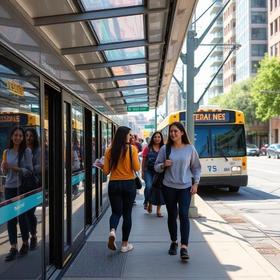
Transportation is another major expense that Promise Programs rarely address. Unlike many residential universities, community colleges primarily serve commuters. Daily travel costs, parking permits, fuel, vehicle maintenance, or public transportation can become a substantial part of a student's budget over the course of an academic year.
Technology has also become an essential educational expense. Whether courses are offered online, in person, or through a hybrid format, students typically need reliable internet access and a computer capable of running course software. While many colleges offer laptop loan programs, demand often exceeds availability, leaving some students responsible for purchasing their own equipment.
Student parents face an additional financial hurdle. Child care expenses frequently exceed the amount saved through free tuition, particularly for students completing clinical rotations, internships, or evening classes. Some community colleges have expanded child care centers or emergency assistance funds, but these resources are not universally available.
Why Completing the FAFSA Still Matters
One of the biggest misconceptions surrounding Promise Programs is that students no longer need to complete the Free Application for Federal Student Aid (FAFSA).
In reality, filing the FAFSA remains essential.
Federal Pell Grants, state grants, and institutional scholarships often help pay for expenses that Promise Programs do not cover, including books, transportation, food, housing, and other educational costs. Even students whose tuition is fully covered may qualify for additional financial assistance that reduces their out-of-pocket expenses.
Community College Review's 2025 FAFSA Changes Explained for Community College Students provides an overview of recent federal aid changes, while the Community College Policies and Financial Aid Guide 2026 explains many of the policies that affect financial aid eligibility.
Questions to Ask Before Accepting a Promise Program
Not all Promise Programs offer the same benefits, so it is important to understand the details before enrolling. Students should look beyond the headline of "free tuition" and carefully review the program's eligibility requirements and renewal conditions.
Start by asking whether the scholarship is a first-dollar or last-dollar award. This distinction determines whether federal Pell Grant funds can be used for expenses such as books and housing or whether they are applied to tuition before the Promise scholarship takes effect.
Students should also confirm whether mandatory college fees are included, how many semesters the scholarship remains available, and whether maintaining a specific grade point average or enrollment status is required. Some programs require full-time enrollment or continuous attendance, while others provide greater flexibility for working adults and part-time students. Understanding these details early can help students avoid losing eligibility after they have already started college.
Planning for Costs Beyond Tuition
Even with tuition covered, developing a financial plan remains essential. Students who prepare for expenses before classes begin are often better equipped to complete their programs without financial interruptions.
Rather than focusing only on tuition, create a budget that includes textbooks, transportation, technology, meals, and personal expenses. If you expect to reduce your work hours while attending school, include the impact of lower income in your calculations as well.
Many colleges also provide resources that students overlook. Emergency grants, food pantries, laptop loan programs, textbook lending libraries, transportation assistance, and child care referrals can help reduce unexpected expenses throughout the academic year. Financial aid offices can also identify local scholarships that remain available after students receive Promise scholarships.
For additional research on college affordability and financial aid trends, the Institute for College Access & Success (TICAS) publishes reports that explain many of the financial challenges community college students face and the policies designed to address them.
Looking Beyond the Tuition Bill
Promise Programs have changed the conversation about college affordability by making higher education accessible to students who may never have considered attending college. However, affordability should be measured by the total cost of attendance rather than tuition alone.
Students pursuing workforce programs may need to budget for certification exams, uniforms, tools, background checks, or professional licensing fees before entering their chosen careers. Others may discover that transportation or child care becomes their largest educational expense rather than tuition itself.
Comparing colleges also means looking beyond scholarship opportunities. Graduation rates, student support services, transfer agreements, and career placement outcomes all contribute to the overall value of a community college education. Students researching colleges can compare these factors using the National Center for Education Statistics College Navigator, which provides detailed information on accredited colleges across the United States.
Conclusion
Promise Programs have opened the door to higher education for millions of students by removing one of college's largest financial barriers. They represent an important investment in expanding educational opportunity and strengthening local workforces.
At the same time, free tuition should be viewed as the beginning of a financial plan rather than the entire plan. Books, transportation, technology, housing, meals, child care, and other living expenses continue to shape a student's ability to remain enrolled and graduate.
Students who understand what a Promise Program covers, complete the FAFSA, explore additional scholarships, and budget for the full cost of attendance are better positioned to take full advantage of these valuable opportunities. By looking beyond the tuition bill, prospective students can make informed decisions that support both their educational goals and their long-term financial success.