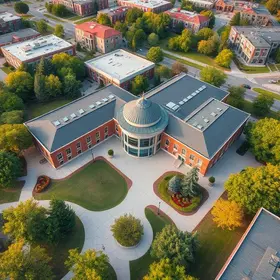


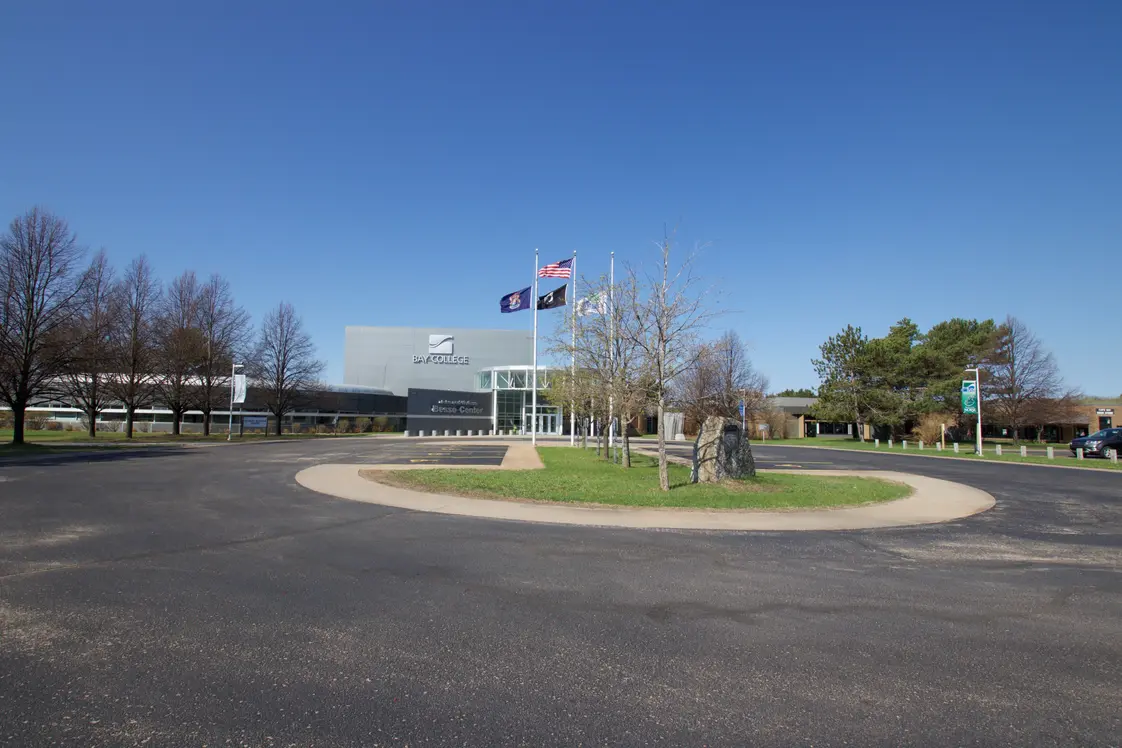


- Located in the heart of Michigan`s beautiful Upper Peninsula, Bay de Noc Community College (or commonly known as Bay College) has provided quality higher education for more than 40 years. Bay College is known in the region for its superior teaching and abundant learning. The campus is situated on 160 acres and services over 5,000 credit students each year, including those completing baccalaureate and master degree programs sponsored by partner universities.
School Highlights
Quick Facts (26-27)
- Enrollment: 2,149 students
- In-state tuition: $5,300
- Out-state tuition: $9,600
- Student-teacher ratio: 34:1
- Minority enrollment: 15%
- Source: Verified school update
School Overview
Student Body
Showing 2012–2025. Full 19-year historical data available below ↓
Showing 2012–2025. Full 19-year historical data available below ↓
Showing 2012–2025. Full 19-year historical data available below ↓
Showing 2012–2025. Full 19-year historical data available below ↓
Showing 2008–2025. Full 19-year historical data available below ↓
Showing 2010–2025. Full 19-year historical data available below ↓
Showing 2011–2025. Full 19-year historical data available below ↓
Showing 2015–2025. Full 19-year historical data available below ↓
Tuition & Financial Aid
Showing 2008–2025. Full 19-year historical data available below ↓
Showing 2013–2025. Full 19-year historical data available below ↓
Showing 2008–2020. Full 14-year historical data available below ↓
Showing 2008–2020. Full 14-year historical data available below ↓
Sports
Extracurriculars
Recreational Athletic Programs:
School Notes
- Bay College has grown from a modest beginning with a limited curriculum in 1963 to serving an enrollment of more than 2,300 students in the fall of 2005. Bay College also opened a new West Campus located in Iron Mountain in the fall of 2007. Partnerships with various four-year schools allow students to continue taking classes on the Escanaba campus and to gain a baccalaureate degree without leaving town. In addition to these partnerships, Bay College continues its traditional occupational programs aimed at giving students the skills to enter the work force, community service, and transfer programs. These transfer programs are designed to allow students to begin their post-secondary education and explore career interests at Bay College, later applying their two-year degree program at a major college or university. Bay College has a strong history of dedicating itself to offering academically excellent and affordable public education in our region. The college prepares students to be continuous learners who succeed upon transfer, work effectively in the contemporary workplace, and function as citizens and leaders in their communities. The College is accredited by the Commission of the North Central Association of Colleges and Schools.
Frequently Asked Questions
How much does Bay de Noc Community College cost?
What schools are Bay de Noc Community College often compared to?
What sports does Bay de Noc Community College offer?
Nearby Schools
LAnse, MI 49946
(906) 524-8400
Green Bay, WI 54303
(920) 593-8400
Green Bay, WI 54307
(920) 498-5400
Traverse City, MI 49686
(231) 995-1000

Petoskey, MI 49770
(231) 348-6600
Recent Articles