
Published August 11, 2008
Written by Grace Chen
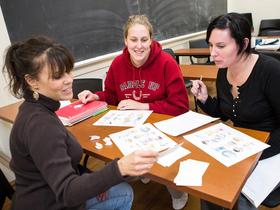
While community colleges are known to provide opportunities for both young and adult learners, new programs are gearing courses and venues to more strongly focus on senior and retired community members. Paired with this, many community colleges offer substantial education discounts. For example, Terra Community College, in Fremont Ohio, offers individuals 60 and older with free tuition. Here, older students are able to participate in courses under non-credit agreements, and they are only responsible for the costs of lab fees, books, and any other course supplies.
Are Community College Programs the Right Fit for Older Students?
While beginning any new course of study, regardless of age, may be nerve wracking, studies show that an increasing number of retired community members are taking courses. According to a Washington State Community College interview, a student asserted that it is not at all unusual to see people ranging from 40 to 60, or older, in various courses. On average, this interviewed student claims to have at least one to three older students in each of her classes.
As Janienne Jennrich further supports, in her article “Senior Citizens Going to College, “quite often, older students are rather popular. It all depends on personality and being willing to join into discussions and events.” As most of the staff members and instructors are also often older, mature students bring a different set of experiences and potentials to a college course. With this, seniors are not only welcome to take community college courses, but are also strongly encouraged, as many seniors’ intelligence and skills help assist the younger students, creating a more well rounded classroom atmosphere.
What Courses Can I Take?
Seniors are able to take any course of study available, yet most retired individuals are drawn to courses to enhance their own hobbies or personal interests. The courses that did not seem “practical” when seeking a job are now the courses that retired individuals are enrolling and enjoying.
For example, community colleges have recently provided non-degree seeking programs in art, such as ceramics, jewelry, drawing, painting and so forth. Paired with this, many schools offer non-degree cooking courses, focusing in various cultures, countries, flavors, and styles of cooking. Most recently, physical courses, such as yoga and water aerobics, have become healthy and socially enjoyable options for senior students.
Unique Senior Programs
Clinton, Muscatine and Scott Community Colleges, located in Iowa, are some of the schools that collaborate to offer a diverse and unique range of continuing education courses designed specifically for older students. As the schools describe, “These classes range from gardening to history, trips and tours to physical fitness, just to name a few. In addition to those classes designed just for older adults, many of our traditional Continuing Education classes will interest seniors as well.”
Offering courses year round, these community colleges provide both social and educational courses, some of the others which include Frisbee golf, hiking, internet surfing, the art of eating, and supermarket savvy. Paired with this, these colleges also offer tour programs, where students can go on museum, marsh, and local island tours.
Popular Fitness Courses
Paradise Valley Community College, of Phenoix Arizona, is one of the many colleges offering fitness programs specifically designed for senior students. With a wide range of course options available in fall, spring, and summer semesters, one of the most popular classes is their “Aerobics for Senior Adults.” This class is formatted for individuals over 55, and includes “music and class tempo […] flexibility exercises, cardiovascular conditioning, and strengthening and toning exercises.” Other popular group fitness courses include kickboxing, stability ball, step aerobics, low impact aerobics, boot camp, sculpt & tone, silver sneakers, and many more. Fitness programs for seniors are widely available, as each college offers a unique set of courses.
Opportunities Outside of the Classroom
For seniors interested in learning, but uninterested or unable to get to the classroom, community colleges also offer other modes of instruction, such as online and telecourse classes.
Online Learning Opportunities
While each community college is different, most schools offer various online courses with active instructors who provide educational support. Here, “Teachers and students post email-type messages, and receive and submit information and assignments through the website” (Jennrich). Although this venue lacks the social elements of face-to-face interaction, online courses provide students of all ages with the flexibility to work from home, while allowing all students to work at their own pace.
For seniors or individuals who are homebound for any reason, online learning is a potential outreach to remain engaged and active—especially if getting into the classroom would have been a potential setback. Also, online courses are normally cheaper, and do not require the additional costs of gas expenses, parking fees, and so forth.
Telecourse Opportunities
Telecourse is another option for those interested in learning from home. These courses implement televised or videotaped lessons. Students are able to take telecourse classes with flexible ease, and normally take tests or quizzes online or at the college site testing lab.
Regardless of the setting, the community college opportunities are widely available for those “Seeking an education, learning a new language, taking an art course, or learning about world history... whatever one studies stimulates the brain, opens the mind, and enriches one's life” (Jennrich).
References:
Clinton, Muscatine and Scott Community College Programs, available at http://www.eicc.edu/adultlearning/programs/senior/index.html
Paradise Valley Community College, available at http://www.paradisevalley.edu/fitness/senior.html
Terra Community College, available at http://www.terra.edu/admission/admoffice/seniors.asp
Jennrich, Janienne. “Senior Citizens Going to College,” available at http://aginggrandparents.suite101.com/article.cfm/senior_citizens_going_to_college
Read Related About College Articles:
- What is a Community College?
Learn about what community colleges are, how they work, and how they can benefit you. - Choosing a Community College
Learn how to evaluate and choose a community college that is right for you. - 5 Steps to Choosing the Best Community College for You
Take the five steps to selecting a community college that will best suit your academic, professional, and personal goals. - The Value of Accreditation - Choosing Wisely
Learn how to evaluate colleges based on accreditation, and why it's important. - The Top 7 Community College Myths
Learn the top 7 myths about community colleges. - How Community Colleges are Outperforming 4 Year Universities
Learn how community colleges are outperforming 4 year universities in several different areas. - Online Community College Classes
Learn how online courses broaden the options of a community college education. - Continuing Education Opportunities at Community Colleges
Learn about the variety of options for continuing education in community colleges. - Careers After Community College
Learn about fast-growing careers and degrees community college grads are pursuing. - Thinking of Becoming a Scientist or Engineer? Consider Community College
Learn how community college can be a great start for becoming a scientist or engineer. - Recession-Proof Careers for Community College Students
Learn about several careers for community college students that are likely to weather an economic downturn. - Licensing and Certification Opportunities at Community Colleges
Learn about the numerous licensing and certification opportunities available at community colleges. - Look to Your Community College for 3 Recession-Proof Healthcare Careers
Learn about three recession-proof healthcare careers that you can pursue right from your local community college. - Earn a High Paying Career Without a Four Year Degree
Learn how community colleges and associate degrees can lead to high paying careers. - Obtaining Your Bachelors Degree at a Community College
Learn about the growing trend of obtaining your bachelor's degree in community college. - The Top 15 Community Colleges for Digital Technology
Learn about which community colleges are ranked in the top 15 in the nation for their digital technology programs and infrastructure. - Community Colleges Fight for the Right to Grant Four-Year Degrees
Does your state allow community colleges to grant bachelor's degree? Learn about both sides of the debate and how it impacts community college students. - Are Community College Leaders Entitled to Pay Raises Amidst the Recession?
Despite budgetary cuts, some community colleges are giving their executives pay raises. Learn about the controversy and whether or not these pay raises are justified. - The Secrets to Success at Community College Job Fairs
Capitalize upon the secrets and strategies of enhancing your job prospects and career opportunities at a community college job fair. - 7 Trends in Community Colleges
Learn about seven trends occurring in community colleges today. - Changing Student Demographics: Rising Number of Professional Students
Learn about the increasing numbers of older, professional students attending community colleges, which offer excellent opportunities for adult learners. - Why High School Students Should Take Community College Classes
Learn the many reasons why high school students should take community college classes. - Seniors Planning for Community College
Learn what steps a senior should take in planning for community college. - Value of an Associates vs. Bachelors Degree
Compare the true value of earning your Associates or Bachelors degree, and learn about which one will be worth your time and investment. - High School Diploma vs. GED
Learn about the differences and impact between obtaining a high school diploma and a GED. - How to Earn Your GED and College Degree Simultaneously
Learn about the importance of a GED to your future career and earning potential, as well as explore how you can earn both your GED and college degree simultaneously at your local community college. - Can Community Colleges Cure the Economy?
Learn about recent government recommendations for community colleges and their role in our nation's competitiveness. - Community Colleges and the Global Economy
Learn how community colleges have evolved to prepare students for the global economy. - Community Colleges and Homeland Security
Learn the important role community colleges have take in improving homeland security. - Discover the Latest Eco-Friendly Innovations from the Green California Community College Summit
Take a peek into the Green California Community College Summit to learn about the latest developments in eco-friendly technology, jobs, and trends. - How Community Colleges are Cutting Costs with New Resources
Learn about how community colleges across the nation are reducing their campus costs by incorporating eco-friendly and green technologies. - Eco-friendly Technologies at Community College
Learn how community colleges are implementing eco-friendly technologies to build "green" campuses. - How Community Colleges Fundraise to Improve Campuses
Learn about how fund raising efforts are boosting community college campus environments. - Learning the Eco-Friendly Way: Community College Nature-Based Studies and Environmental Clubs
Explore how community colleges are pioneering the green trend and learn about new environmental protection clubs and exciting nature classes. - Leading the Way in Living Smoke Free: Banning Tobacco on Community College Campuses
Learn about the growing trend among community colleges to ban tobacco use on campus. - Community College Summer Camps for Kids
Community college is not just for young adults; learn how your kids can take advantage of learning opportunities offered at your local community college campus. - Will the Failing Auto Industry Drive Up Community College Enrollment Rates?
Learn about how the failure of the American auto industry, along with President Obama's education initiatives, will translate into increased enrollment in community college campuses. - Why Student Enrollment Rises as the Economy Falls
Learn about the trend to attend community college when the economy may face weakness in growth.
All Categories: