
Many students who are considering attending community college want to know what their career opportunities are after graduating. If you are contemplating community college, then you are in for good news.
The professional prospects for a community college graduate remain promising in 2026. Education level, field of study, location, work experience, and professional credentials all influence individual earnings, so no single lifetime estimate applies to every graduate. However, national research continues to show that adults with an associate degree generally have stronger earnings and employment outcomes than adults whose highest credential is a high school diploma.
The College Board documents differences in earnings and employment patterns among U.S. adults with different levels of education. Its 2026 Education Pays research reinforces the broader conclusion behind the original article: completing a college credential can create measurable economic benefits, although outcomes vary considerably by occupation, student background, and local labor market.
From this perspective alone, graduating from community college can improve your long-term earning potential. Students should still compare program costs, graduation requirements, licensing rules, and likely wages before choosing a major. Community College Review’s overview of high-paying jobs available with a community college degree provides a current look at career paths in health care, technology, technical fields, and other industries.
Popular Community College Majors
Although the majors and careers found in community college are quite diverse, ranging from art to zoology, several areas remain especially popular because they connect directly to employment, professional licensing, or transfer opportunities.
The original article identified computer technologies, registered nursing, law enforcement, licensed practical nursing, and radiology as five widely offered community college majors. Those fields remain relevant, but the number of programs listed in older reports should not be treated as a current 2026 count. Colleges regularly add, combine, rename, or discontinue programs in response to employer demand, accreditation standards, enrollment patterns, and state workforce priorities.
In 2026, students are also showing strong interest in allied health, cybersecurity, information technology, advanced manufacturing, skilled trades, business, logistics, and other career-focused fields. Community College Review’s guide to the most in-demand community college programs in 2026 examines many of these areas and explains why they continue to attract students.
Before selecting a major, students should investigate whether the program prepares graduates for an industry certification, state license, apprenticeship, immediate employment, or transfer to a four-year institution. A popular program is not automatically the right choice for every student. The strongest option is one that matches the student’s interests, abilities, financial circumstances, and long-term plans.
The U.S. Bureau of Labor Statistics provides current occupational profiles covering typical education requirements, job duties, median pay, and employment projections for the 2024-34 period. Students can use this information to compare programs before committing to a career path.
The Working Applications of Community College
Millions of students attend community colleges, giving these institutions a major role in preparing the nation’s workforce. Employers frequently work with community colleges to develop curricula, provide equipment, offer internships, create apprenticeships, and recruit graduates for local positions.
The original article stated that employers had taken note of the high caliber of talent emerging from community colleges. That point remains relevant in 2026, particularly in industries that require applied technical knowledge, clinical preparation, professional credentials, or hands-on training.
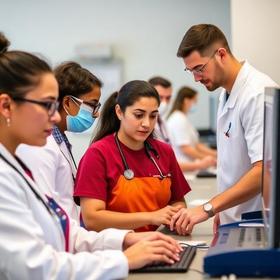
Community college students often learn in environments designed to connect classroom instruction with workplace practice. Nursing students complete clinical experiences, automotive students train with diagnostic equipment, information technology students work with networks and cybersecurity tools, and manufacturing students may learn with machinery used by regional employers.
Community College Review’s 2026 discussion of career services at community colleges explains how internships, employer partnerships, career advising, and job-placement assistance can help students move from college into the workforce.
Future Demand for Community College Graduates
According to experts at the College Board and current labor market research, demand for many careers commonly entered through community college programs is expected to remain strong throughout the coming decade. While employment projections have changed since the original article was published, many occupations requiring an associate degree, professional certification, or technical training continue to experience above-average growth.
The following occupations remain among those expected to offer strong employment opportunities for community college graduates during the 2024-34 projection period:
- Dental hygienists
- Registered nurses
- Licensed practical and licensed vocational nurses
- Veterinary technologists and technicians
- Medical sonographers
- Respiratory therapists
- Paralegals and legal assistants
- Computer support specialists
- Industrial machinery mechanics
- Wind turbine technicians
The exact growth rate varies by occupation and may change as labor market conditions evolve, but healthcare, technology, skilled trades, advanced manufacturing, and technical service occupations continue to represent many of the strongest opportunities for community college graduates.
Students interested in comparing employment outlooks, salary ranges, education requirements, and projected job growth should consult the National Center for Education Statistics and the Occupational Outlook Handbook referenced earlier. These resources provide regularly updated information that can help students make informed career decisions.
Community colleges also continue to expand partnerships with local employers, healthcare systems, manufacturers, and technology companies to ensure that academic programs align with regional workforce needs. Many institutions regularly update their curricula to reflect changes in industry standards, emerging technologies, and employer expectations.
As a result, today's community college graduates often enter the workforce with practical experience gained through internships, apprenticeships, clinical rotations, laboratories, and work-based learning opportunities that prepare them for immediate employment.
Career Opportunities Continue to Grow
Research continues to demonstrate that the professional opportunities available to community college graduates can be rewarding, financially competitive, and closely aligned with workforce demand. Whether you choose community college as a pathway directly into the workforce or as an affordable stepping stone toward a bachelor's degree, the education and practical training you receive can provide a strong foundation for future success.
The value of a community college education extends beyond earning potential. Students gain technical knowledge, professional skills, industry experience, and access to employer networks that can accelerate career growth. Many graduates also continue their education later, using associate degrees and stackable credentials to pursue bachelor's degrees or specialized certifications as their careers evolve.
As workforce needs continue to change in 2026 and beyond, community colleges remain an important source of affordable, career-focused education. By selecting a program that matches your interests and researching employment opportunities before enrolling, you can position yourself for long-term academic and professional success.