Spokane Community College

1810 North Greene Street
Spokane, WA 99217
Top-Ranked (2026-27): View Rankings
  • At Spokane Community College, we strive to provide our community accessible and affordable educational opportunities responsive to the needs of our diverse population.

School Highlights

Spokane Community College serves 6,813 students (57% of students are full-time).
The college's student-teacher ratio of 21:1 is lower than the state community college average of 24:1.
Minority enrollment is 48% of the student body (majority Hispanic), which is less than the state average of 60%.

Quick Facts (26-27)

  • Enrollment: 6,813 students
  • In-state tuition: $3,512
  • Out-state tuition: $8,702
  • Student-teacher ratio: 21:1
  • Minority enrollment: 48%
  • Source: Integrated Postsecondary Education Data System (IPEDS)

Top Rankings

Spokane Community College ranks among the top 20% of public schools in Washington for:

Category
Attribute
Community Size

School Overview

The teacher population of 324 teachers has declined by 57% over five years.
Spokane Community College
(WA) Community College Avg.
Carnegie Classification
Associate's Colleges
Institution Level
Four or more years
Four or more years
Institution Control
Public
Public
Campus Size
148 acres
Total Faculty
324 staff
156 staff
School Calendar
AccreditationAccred.
Northwest Commission on Colleges and Universities (NWCCU)

Student Body

The student population of Spokane Community College has stayed relatively flat over five years.
The student-teacher ratio of 21:1 has increased from 13:1 over five years.
The Spokane Community College diversity score of 0.66 is less than the state average of 0.77. The school's diversity has grown by 24% over five years.
Total Enrollment
6,813 students
3,791 students

Showing 2013–2025. View full 19-year historical data

Student-Teacher Ratio
21:1
24:1

Showing 2008–2025. View full 19-year historical data

# Full-Time Students
3,870 students
1,835 students

Showing 2012–2025. View full 19-year historical data

# Part-Time Students
2,943 students
1,956 students

Showing 2012–2025. View full 19-year historical data

# Enrollment Undergraduate
6,813 students
3,741 students
# Full-Time Undergraduate Students
3,870 students
1,835 students

Showing 2012–2025. View full 19-year historical data

# Part-Time Undergraduate Students
2,943 students
1,956 students
% American Indian/Alaskan
1%
1%

Showing 2011–2025. View full 19-year historical data

% Asian
2%
9%

Showing 2008–2025. View full 19-year historical data

% Hispanic
11%
19%

Showing 2010–2025. View full 19-year historical data

% Black
3%
6%

Showing 2008–2025. View full 19-year historical data

% White
52%
40%

Showing 2010–2025. View full 19-year historical data

% Two or more races
6%
8%
% Non Resident races
1%
3%
% Unknown races
23%
14%
Diversity Score
0.66
0.77

Showing 2011–2025. View full 19-year historical data

College Completion Rate (Students who graduate in less than 4 years)
26%
30%
College Completion Rate (Students who graduate in 4 years or more than 4 years)
35%
36%
Median Earnings 10 Years After Entry (measured in 2022-2023, in 2024 dollars)
$46,919
$48,744

Points are in the dollars of their own College Scorecard release, and the colleges behind the state line differ by period. The lines do not show inflation-adjusted growth.

Tuition & Financial Aid

The public in-state tuition of $3,512 is less than the state average of $4,105. The in-state tuition has declined by 8% over four years.
The public out-state tuition of $8,702 is more than the state average of $7,359. The out-state tuition has grown by 69% over four years.
In-State Tuition Fees
$3,512
$4,105
Out-State Tuition Fees
$8,702
$7,359
% Students Receiving Some Financial Aid
75%
70%

Showing 2012–2025. View full 19-year historical data

Median Debt for Graduates
$13,000
$11,794

Showing 2008–2020. View full 14-year historical data

Median Debt for Dropouts
$6,334
$6,242

Showing 2008–2020. View full 14-year historical data

Source: 2025 (or latest year available) Integrated Postsecondary Education Data System (IPEDS) , School Administrators

School Notes

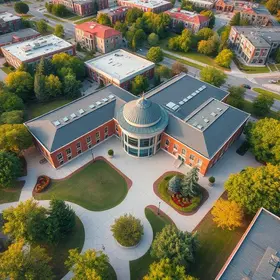
  • SCC is one of the top community colleges in the state: outstanding professional/technical programs in many high-demand fields; lively arts and sciences classes that constantly challenge students to reach out and explore the world; instructors who skillfully combine high academic expectations with a caring, personalized approach emphasizing student success; and a staff that consistently demonstrates its unshakable commitment to student service. Located at the corner of Mission Avenue and Greene Street in east Spokane, SCC is highly regarded for its professional-technical programs, including specialties in health sciences; information technology; industrial, manufacturing and automotive technology; hospitality and culinary arts; building trades; and agriculture and natural resource management. The college also has a strong educational tradition in the liberal arts. The campus includes 23 administrative, academic, and support buildings located on 148 acres next to the Spokane River midway between the cities of Spokane and Spokane Valley. SCC is accredited by the Northwest Commission on Colleges and Universities and governed by the Washington State Board of Community and Technical College.

Frequently Asked Questions

How much does Spokane Community College cost?
Spokane Community College's tuition is approximately $3,512 for In-State students and $8,702 for Out-State students.
What is Spokane Community College's ranking?
Spokane Community College ranks among the top 20% of community college in Washington for: Largest student body.
In what neighborhood is Spokane Community College located?
Spokane Community College is located in the Chief Garry Park neighborhood of Spokane, WA.

Recent Articles

Does a College’s Employer Partnership Include Hiring?
A major employer’s logo does not promise a job. Learn how to check hiring commitments, eligibility and access before choosing a community college program.
New vs. Established Career Programs: Which Is Safer?
Compare new and established community college career programs by checking readiness, recent outcomes, staffing and support before you commit to enrollment.
Can Your Career Credential Cross State Lines?
Before choosing a community college career program, check whether its credential meets licensing requirements in another state and what moving could cost.

Quick Facts (26-27)

  • Enrollment: 6,813 students
  • In-state tuition: $3,512
  • Out-state tuition: $8,702
  • Student-teacher ratio: 21:1
  • Minority enrollment: 48%
  • Source: Integrated Postsecondary Education Data System (IPEDS)

Related School Videos

Did You Know?

For Washington public community colleges, the average tuition is approximately $4,105 per year for in-state students and $7,359 for out-of-state students. Read more about average community college tuition costs across the country.

Washington community colleges have a diversity score of 0.77, which is higher than the national average of 0.74. The most diverse community college in Washington is Seattle Central College. Read more about community college diversity statistics in the USA.

Quick Links