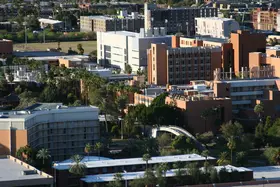
- Texas Culinary Academy is dedicated to preparing students for the international hospitality industry by providing the finest hands-on education in the classic and modern culinary arts.
School Highlights
Le Cordon Bleu College of Culinary Arts-Austin served 643 students (100% of students were full-time).
The college's student-teacher ratio of 31:1 was lower than the state community college average of 34:1.
Minority enrollment was 52% of the student body (majority Hispanic), which was less than the state average of 75%.
School Overview
Le Cordon Bleu College of Culinary Arts-Austin
(TX) Community College Avg.
Carnegie Classification
Associates Colleges
Associate's Colleges: Mixed Transfer/Career & Technical-High Traditional
Institution Level
At least 2 but less than 4 years
At least 2 but less than 4 years
Institution Control
Private, for profit
Public
Year Founded
1981
Total Faculty
21 staff
73 staff
Student Body
Total Enrollment
643 students
4,254 students
Student-Teacher Ratio
31:1
34:1
# Full-Time Students
643 students
902 students
# Enrollment Undergraduate
643 students
1,360 students
# Full-Time Undergraduate Students
643 students
869 students
% Asian
1%
6%
% Hispanic
33%
47%
% Black
10%
13%
% White
48%
25%
Showing 2008–2023. Full 17-year historical data available below ↓
% Hawaiian
1%
n/a
% Unknown races
7%
5%
Diversity Score
0.65
0.69
Showing 2008–2023. Full 17-year historical data available below ↓
College Completion Rate (Students who graduate in less than 4 years)
64%
19%
Average Graduate Earnings (10 Years)
$35,300
$33,900
Tuition & Financial Aid
Private State Tuition Fees
$13,390
$13,749
% Students Receiving Some Financial Aid
84%
88%
Showing 2008–2023. Full 17-year historical data available below ↓
Median Debt for Graduates
$11,250
$9,584
Median Debt for Dropouts
$5,319
$5,250
Source: 2023 (or latest year available) Integrated Postsecondary Education Data System (IPEDS)
School Notes
- Texas Culinary Academy is unique among Texas cooking schools by offering Le Cordon Bleu degree and certificate programs. TCA programs are structured to ensure that students are exposed to a diversified education in culinary arts with the perfect blend of general education classes to broaden their awareness, knowledge, attitudes, and values. TCA maintains a commitment to quality instruction, facilities and student development that separates us from other cooking schools. Our classes are taught by professional chefs that provide insight and real-world experience. At Texas Culinary Academy, we are proud of the atmosphere of professionalism and mutual respect we have created. To encourage creative expression within our culinary learning environment, classes are limited in size. This allows us to provide the exemplary training Le Cordon Bleu is known for and allows students to receive the personal attention they deserve from our experienced instructors. Our classrooms and labs are outfitted with industry-current equipment in order to emulate real-world situations and give students the skills they need to succeed. Our specialized classes cover everything from basic cooking skills to the art of butchering to purchasing and cost control. Texas Culinary Academy offers students both Le Cordon Bleu Culinary Arts Program and Le Cordon Bleu Patisserie & Baking Program. Texas Culinary Academy is accredited by the Accrediting Council for Independent Colleges and Schools.
Frequently Asked Questions
How much does Le Cordon Bleu College of Culinary Arts-Austin cost?
Le Cordon Bleu College of Culinary Arts-Austin's private state tuition is approximately $13,390.
In what neighborhood is Le Cordon Bleu College of Culinary Arts-Austin located?
Le Cordon Bleu College of Culinary Arts-Austin is located in the North Burnet neighborhood of Austin, TX.
Nearby Schools
The nearest community college to Le Cordon Bleu College of Culinary Arts-Austin is Universal Technical Institute-West Texas (3.9 miles away)
School
Location
Miles
Quick Facts
Universal Technical Institute-West Texas
Private for-profit
301 West Howard Lane
Austin, TX 78753
(737) 284-3100
Austin, TX 78753
(737) 284-3100
3.9 miles
Enrollment: 1,335 students Acceptance rate: 41% Minority enrollment: 75%
Auguste Escoffier School of Culinary Arts-Austin
Private for-profit
6020-B Dillard Circle
Austin, TX 78752
(512) 451-5743
Austin, TX 78752
(512) 451-5743
5.0 miles
Enrollment: 305 students Student-teacher ratio: 23:1 Minority enrollment: 62%
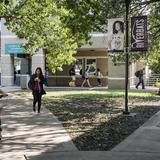
6101 Highland Campus Drive
Austin, TX 78752
(512) 223-7000
Austin, TX 78752
(512) 223-7000
5.3 miles
Enrollment: 39,727 students Student-teacher ratio: 39:1 Acceptance rate: 100% In-state tuition: $3,060 Out-state tuition: $15,624 Minority enrollment: 62%
The College of Health Care Professions-Austin
Private for-profit
6330 E. Highway 290 Suite 180
Austin, TX 78723
(512) 617-5700
Austin, TX 78723
(512) 617-5700
5.5 miles
Enrollment: 974 students Student-teacher ratio: 26:1 Minority enrollment: 84%
The Recording Conservatory of Austin
Private for-profit
4615 City Park Road
Austin, TX 78730
(512) 231-0344
Austin, TX 78730
(512) 231-0344
7.0 miles
Enrollment: 77 students Student-teacher ratio: 26:1 Minority enrollment: 58%
Recent Articles

Required Course Full? Avoid Community College Degree Delays
Learn how a full required course can delay graduation, how to navigate waitlists, and how to find approved alternatives that protect your community college degree timeline and financial aid eligibility.

Catalog-Year Rules: Community College Graduation Requirements
Understand how catalog years determine community college graduation requirements, how enrollment breaks and major changes affect eligibility, and what to verify before choosing courses or switching to a newer catalog.

What If Your Community College Program Closes?
Learn what happens when your community college discontinues your program before graduation, including teach-out options, credit transfers, financial aid implications, student protections, and practical steps to finish your degree successfully.