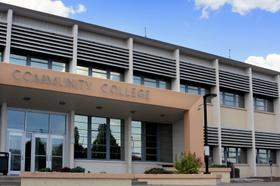

As the costs of all school programs are rising, community colleges are offering more affordable education plans that prepare young professionals for some of the top-paying careers. While the original article referenced CNN's reporting, the broader point remains true in 2026. Many well-paying careers do not require a bachelor's degree, although they often require an associate degree, industry certification, apprenticeship, or other specialized workforce training.
According to the College Board's Education Pays, workers with postsecondary education generally earn more over their careers than workers whose highest credential is a high school diploma. Earnings vary by occupation, experience, and location, but community colleges continue to provide one of the most affordable pathways into many rewarding careers.
Ultimately, as some of the top-paying careers only require a two-year degree, certification, or select courses, community colleges continue to offer financially affordable and rewarding pathways for future success. Students interested in current workforce trends can also read Community College Review's guide to Best Community College Programs for High-Paying Jobs.
Moving Towards a New Career Frontier
The correspondence between higher education and higher income is now changing. While it was once conventional wisdom that you needed to have a four-year college degree to be successful, today's workforce places increasing value on technical skills, industry certifications, apprenticeships, and practical experience alongside traditional academic credentials.
While most lucrative jobs require post-high school training, many of today's top-paying careers do not require a four-year degree, and thus community colleges continue to stand out