
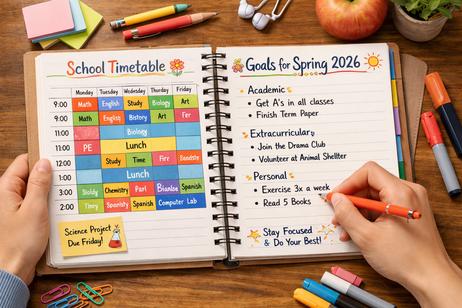
How to Build a Class Schedule That Fits Your Life (Spring 2026 Edition)
Creating a class schedule is one of the most important academic planning tasks students face each year. The process of how to build a class schedule that fits your life has changed in subtle but meaningful ways for Spring 2026, with new advising tools, hybrid learning options, and a renewed focus on wellness and balance. Whether you are a high school student planning electives, a college student navigating degree requirements, or a parent helping your child plan a pathway to success, this guide provides clear, expert-backed strategies for how to build a class schedule that fits your life without stress.
In this Spring 2026 edition, we emphasize strategies that meet modern challenges such as balancing part‑time work, mental health breaks, family commitments, and evolving academic goals. We break down key steps, practical checklists, and expert tips to help you successfully build a class schedule that fits your life.
Why It Matters: The Purpose of a Well‑Built Schedule
When you learn how to build a class schedule that fits your life, you are doing more than picking classes. You are:
- Aligning coursework with academic goals.
- Protecting time for rest, extracurriculars, and work.
- Avoiding burnout and schedule conflicts.
- Enhancing focus and long‑term success.
A schedule that fits your life can reduce stress and support well‑being. For Spring 2026, students and parents alike should view scheduling as a strategic process, not a checkbox exercise.
Step 1: Clarify Your Academic and Life Goals
Before you build a class schedule that fits your life, you must understand your priorities. Ask yourself these questions:
- What are my academic goals this semester? Consider degree requirements, prerequisites, and GPA goals.
- What are my personal commitments? Work, family responsibilities, travel plans, and health needs all matter.
- How much time do I need for study and rest? Experts recommend at least 2–3 hours of study for every class hour.
- What learning formats work best for me? Some students thrive in hybrid or online settings, others prefer in‑person interaction.
Answering these questions is the foundation of how to build a class schedule that fits your life. You cannot build a schedule that fits your life if your goals are unclear.
Step 2: Know Your Requirements
Understanding requirements is essential when you build a class schedule that fits your life:
- High school students should review diploma requirements and graduation pathways.
- College students should consult degree audits and academic advisors.
Use authoritative tools such as your school’s advising portal or the College Board’s planning resources to ensure courses align with graduation and college admission standards. Checking requirements early prevents last‑minute reshuffling that can disrupt a schedule that fits your life.
Step 3: Map Out a Weekly Template
Take a blank weekly calendar and block out:
- Fixed commitments: Class times, work shifts, family obligations.
- Flexible focus blocks: Times reserved for homework, review sessions, and project work.
- Rest and personal time: Sleep, meals, exercise, and mental health activities.
This visual map helps you see whether your class selections will allow you to build a class schedule that fits your life and maintain balance. Aim for no more than 15–18 in‑class hours per week, leaving space for study and personal responsibilities.
Step 4: Prioritize Core and Elective Classes
When you build a class schedule that fits your life, think in tiers:
- Tier 1: Core requirements. These are non‑negotiable for graduation or progression.
- Tier 2: Strategic electives. Courses that support your major or build desired skills.
- Tier 3: Enrichment electives. Classes that spark passion but may be flexible.
Organize classes so that Tier 1 and Tier 2 courses are spread evenly throughout the semester. Cramming all difficult classes into one day can disrupt your ability to build a class schedule that fits your life.
Step 5: Balance Workload and Time of Day
Research shows that peak cognitive performance often occurs mid‑morning to early afternoon. Try to schedule challenging classes during your optimal focus periods. When you build a class schedule that fits your life, consider:
- Avoiding back‑to‑back heavy courses without breaks.
- Incorporating midday breaks for rest or nutrition.
- Scheduling light classes before or after demanding ones.
For students working part‑time or balancing family duties, flexibility is critical. Where possible, choose asynchronous components to help build a class schedule that fits your life around other priorities.
Step 6: Use Planning Tools and Advising Resources
Modern digital tools make it easier to build a class schedule that fits your life. Popular scheduling tools include:
- Google Calendar or analog planners for visualizing time blocks.
- Degree auditing systems provided by schools to confirm requirements and prevent oversights.
- Course planning apps like MyEdu or Schoology to compare class times and workload.
Additionally, schedule a meeting with an academic advisor. Advisors can help you optimize your plan and avoid pitfalls as you build a class schedule that fits your life.
Step 7: Account for Well‑Being and Margin
One of the most overlooked aspects of how to build a class schedule that fits your life is margin. Margin means:
- Time to rest when unexpected events occur.
- Buffer periods between classes to recharge.
- Evenings or weekend blocks for social connection.
Failing to build margin results in brittle schedules that collapse under pressure. A balanced schedule supports not only academic success but also mental health and resilience.
Step 8: Prepare a Backup Plan
Things change. When you build a class schedule that fits your life, always have alternatives:
- Alternate sections of critical classes.
- Waitlist strategies if your first choices fill up.
- Plan B electives that still support your progress.
Flexibility is an essential skill for maintaining a schedule that fits your life, especially in dynamic academic environments like Spring 2026.
Step 9: Review and Adjust During the Add/Drop Period
Most schools offer an add/drop period at the start of the semester. Use this window to fine-tune your plan. Monitor your energy levels and workload; adjust where necessary to ensure your schedule still fits your life.
Reflection questions include:
- Is my workload manageable?
- Am I maintaining time for rest?
- Are class times interfering with essential responsibilities?
Use these insights to refine how you build a class schedule that fits your life.
Case Examples: Practical Scenarios
Example 1: High School Junior
Goals: Maintain a 3.8 GPA, participate in soccer, part‑time job on weekends.
Strategy to Build a Class Schedule That Fits Your Life:
- Block core AP classes mid‑morning.
- Schedule lunch and light electives in the afternoon.
- Reserve evenings for homework, weekends for rest and work.
Outcome: Balanced schedule that fits academic ambition and personal commitments.
Example 2: College Sophomore
Goals: Complete major requirements, intern 10 hours per week, maintain wellness.
Strategy to Build a Class Schedule That Fits Your Life:
- Take required lab classes on Tuesdays and Thursdays.
- Spread electives across Monday, Wednesday, and Friday.
- Leave afternoons open for internship and study.
Outcome: A semester roadmap that fits academic goals and professional experience.
Expert Tips for Spring 2026
Educational psychologists emphasize deliberate scheduling to support cognitive performance and emotional well‑being. When you build a class schedule that fits your life, consider the science of attention and energy rhythms.
Academic advisors encourage students to prioritize degree progress while factoring in work, family, and wellness. Use tools and institutional resources to balance multiple commitments effectively.
For students seeking financial aid or scholarship requirements, verifying full‑time status when you build a class schedule that fits your life is essential for continued eligibility.
Common Mistakes to Avoid
When you build a class schedule that fits your life, avoid these pitfalls:
- Overloading back‑to‑back heavy classes.
- Ignoring rest or personal commitments.
- Failing to consult advisors or planning tools.
- Waiting too late to register or adjust.
Avoiding these mistakes helps create a schedule that fits your life and sustains success.
Quick Planning Checklist
Before finalizing your plan to build a class schedule that fits your life, confirm:
- Goals are clearly defined.
- Requirements are met.
- Weekly time blocks maintain balance.
- Rest and margin are included.
- Backup options are ready.
Use this checklist every semester to refine your approach.
Summary
Learning how to build a class schedule that fits your life is more than selecting classes. It is about aligning academic goals, personal commitments, and well‑being in a way that supports success. By clarifying priorities, using planning tools, balancing workload, and preserving margin, students can craft a schedule that serves both their present needs and future ambitions.
For additional guidance on academic planning and success strategies, explore resources like the U.S. Department of Education planning tools and your school’s academic advising center.
With thoughtful preparation and these updated strategies for Spring 2026, you can confidently build a class schedule that fits your life and sets you up for a meaningful, balanced semester.