
How to Prepare for the January Semester: A Checklist for New and Returning Community College Students
Preparing for the January semester is an essential step for community college students who want to start the new year strong. Whether you are arriving on campus for the first time or returning after the fall term, the transition into a new academic period often sets the pace for your success. This guide walks you through how to prepare for the January semester with detailed checklists, timelines, and expert insights that reflect current trends in community college learning.
Students who prepare for the January semester early benefit from smoother course registration, stronger academic performance, and better financial planning. The following sections outline exactly how to prepare for the January semester so students can begin with confidence and clarity.
Building Your January Semester Plan
Understanding how to prepare for the January semester begins with a clear plan. New and returning students should review academic goals, course requirements, and graduation pathways before selecting classes. Many colleges now provide online degree maps, guided pathways, and advising portals that streamline the planning process.
1. Meet With Academic Advising Early
Academic advising is one of the most effective tools for students learning how to prepare for the January semester. Advisors help confirm degree requirements, recommend balanced course loads, and identify potential transfer pathways.
Schedule advising appointments before winter break to avoid delays. If your college offers virtual appointments, book them early to secure your preferred time. Students exploring transfer options can also read resources like the transfer planning guides available through sites such as Community College Review (communitycollegereview.com).
2. Finalize Your Class Schedule
A structured schedule is one of the most important parts of understanding how to prepare for the January semester. Students should:
Review course prerequisites.
Check for seat availability or waitlist options.
Confirm modality preferences, whether in person, online, or hybrid.
Create backup options in case a class fills.
Students who prepare for the January semester should also consider work hours, commute times, and study habits when building a timetable.
3. Use Degree Progress Tools
Most community colleges provide digital tools that track academic progress. These platforms show remaining credits, GPA calculations, and upcoming requirements. Using them regularly helps students prepare for the January semester with accuracy, reducing the chance of taking unnecessary courses.
Financial Preparation for the January Semester
Preparing financially is essential for students who want to stay on track during the January term. Understanding tuition deadlines, aid options, and budgeting strategies is key to mastering how to prepare for the January semester without stress.
1. Verify Your FAFSA Status
Many students file the FAFSA in early winter. If you want to prepare for the January semester effectively, verify that your FAFSA information is complete and correct. Missing documents can delay aid disbursement, which may affect your ability to register or purchase textbooks.
For detailed insights on financial aid trends and comparison data, students can review articles at Community College Review (communitycollegereview.com).
2. Budget for Books and Materials
Course materials can be a significant expense. Students preparing for the January semester should:
Compare bookstore prices with online retailers.
Consider rentals or used books.
Check whether digital access codes are required.
Review syllabi from previous semesters when available.
Some programs offer zero textbook cost courses or open educational resource options, which can help students prepare for the January semester at a lower cost.
3. Confirm Payment Plans or Tuition Deadlines
Failure to meet payment deadlines may result in dropped classes. Students should confirm due dates through the registrar and set reminders. Colleges often offer payment plans that help students prepare for the January semester with manageable installments.
Academic Readiness for the January Semester
Academic readiness plays a central role in learning how to prepare for the January semester. After the holiday break, many students benefit from academic refreshers and organizational reviews.
1. Refresh Core Skills
Reviewing course notes from the fall term can help you reengage academic habits. Students who want to prepare for the January semester should focus on math, writing, and reading comprehension, especially if continuing sequences such as algebra or composition.
2. Update Study Strategies
Students preparing for the January semester often benefit from refining their study methods. Consider:
Creating a weekly study schedule.
Organizing digital files and cloud storage.
Reviewing syllabi as soon as professors release them.
Using academic support centers early in the semester.
Community colleges typically offer tutoring, writing labs, and supplemental instruction sessions that support students who prepare for the January semester with a proactive approach.
Technology and Campus Logistics
Ensuring that your technology and campus logistics are ready is a practical step in learning how to prepare for the January semester. Small tasks completed early can prevent disruptions later.
1. Update Devices and Learning Platforms
Students preparing for the January semester should make sure:
Laptops and tablets are updated.
Learning management system logins are tested.
Required software is installed.
Wi-Fi access on campus is confirmed.
If your program uses discipline-specific platforms, such as simulation tools or lab software, check installation requirements ahead of time.
2. Secure Parking or Transit Passes
Campus logistics matter. Students who prepare for the January semester should verify:
Parking permits.
Shuttle routes.
Public transportation schedules.
Carpool or bike storage options.
Many colleges adjust schedules during winter months, so reviewing updated campus operations is a key part of preparing for the January semester.
3. Locate Classrooms in Advance
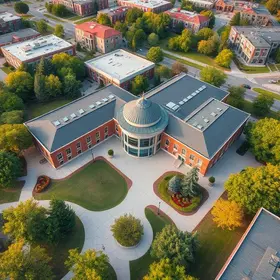
Walking your schedule is helpful, especially for large campuses. Students preparing for the January semester can visit campus before the first day to identify buildings, labs, and student support centers.
For campus environment comparisons, students can explore the campus profiles available on Public School Review (publicschoolreview.com).
Personal Preparation for the January Semester
The January term begins during winter, which brings unique considerations for health, routines, and mental well being. Students who understand how to prepare for the January semester often build habits that carry through the entire year.
1. Set Realistic Personal Goals
Reflect on what worked during the fall term. Students preparing for the January semester might set goals related to:
Time management.
Class participation.
Healthy routines.
Work study balance.
2. Prepare for Winter Weather
Dress appropriately, plan travel times, and consider emergency contingencies if weather disruptions occur. Preparing for the January semester means planning for winter’s unpredictability.
3. Strengthen Support Networks
Study groups, peer mentors, friends, and family can play an important role. Students preparing for the January semester should stay connected by joining clubs, participating in orientation refreshers, or engaging with campus communities.
Many colleges publish student life insights and engagement trends that can be explored through Community College Review (communitycollegereview.com).
January Semester Preparation Checklist
A summary checklist can help students visualize how to prepare for the January semester efficiently.
| Preparation Area | Key Tasks |
|---|---|
| Academic Planning | Meet with advisors, finalize courses, track degree progress |
| Financial Readiness | Confirm FAFSA, set budgets, check payment deadlines |
| Academic Skills | Refresh core skills, organize materials, set study schedules |
| Campus Logistics | Update technology, verify parking or transit, locate classrooms |
| Personal Readiness | Set goals, prepare for winter, connect with support networks |
Students who follow this checklist gain a strong foundation for academic success.
Final Thoughts
Knowing how to prepare for the January semester is essential for both new and returning community college students. The transition into a new academic term brings fresh opportunities to refine goals, strengthen routines, and build academic momentum. By planning early, using campus resources, and approaching the semester with intention, students can begin January with clarity and confidence.
Preparing for the January semester is not simply about the first week of classes. It is about setting up an entire term of productivity, balance, and personal growth. With this guide, students can take the practical steps needed to prepare for the January semester and move forward successfully.