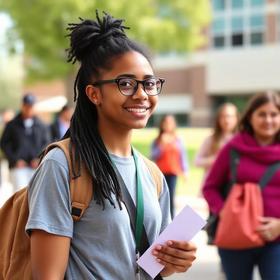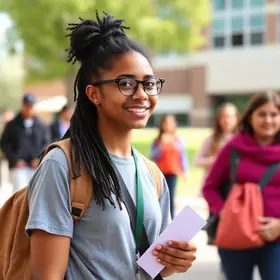

For millions of Americans, higher education does not follow a straight line from high school to a four-year university. Adult learners, career changers, parents, and part-time students are reshaping what college looks like in 2026. This nontraditional student’s guide to community college explains how these institutions are uniquely positioned to support flexible, affordable, and career-focused education.
Community colleges continue to serve as an essential access point. According to the National Center for Education Statistics, a significant portion of community college students are over age 24, balancing education with work and family responsibilities. As workforce demands evolve, these institutions are adapting rapidly to meet the needs of modern learners.
Who Is a Nontraditional Student?
A nontraditional student typically includes individuals who:
- Are 24 years or older
- Work full-time or part-time
- Have dependents
- Attend school part-time
- Are returning to education after a gap
In 2026, the definition has broadened further. Many students now pursue “stackable credentials,” short-term certificates that build toward degrees, making community college even more appealing.
Why Community College Works for Nontraditional Students
Flexible Scheduling Options
Community colleges prioritize accessibility. Students can choose from:
- Evening and weekend classes
- Online and hybrid programs
- Accelerated courses
This flexibility is critical for those balancing employment or caregiving. For more insight into scheduling advantages, see Flexible Scheduling in Community Colleges.
Affordable Tuition and Financial Aid
Cost remains one of the strongest advantages. Tuition at community colleges is significantly lower than at four-year institutions. Many states have expanded “free community college” programs as of 2026.
Students can explore federal aid through Federal Student Aid, which includes grants, loans, and work-study opportunities.
Additionally, community colleges often provide:
- Payment plans
- Employer-sponsored tuition assistance
- Scholarships for adult learners
Career-Focused Programs
Community colleges are closely aligned with workforce needs. Programs in healthcare, IT, advanced manufacturing, and skilled trades are designed for immediate employment.
The rise of short-term credentialing is especially important. According to the American Association of Community Colleges, many institutions now offer certificates that can be completed in under a year and lead directly to in-demand jobs.
Popular Pathways for Nontraditional Students
| Pathway | Description | Ideal For |
|---|---|---|
| Workforce Certificates | Short-term, skill-based programs | Career changers |
| Associate Degrees | Two-year academic or technical degrees | Transfer or job entry |
| Transfer Programs | Pathway to four-year universities | Degree completers |
| Continuing Education | Non-credit skill development | Lifelong learners |
If your goal is to transfer, understanding articulation agreements is key. Read more at How to Transfer from Community College to a University.
Support Services That Make a Difference
Nontraditional students often benefit from targeted support services, including:
- Academic advising tailored to adult learners
- Career counseling and job placement assistance
- Childcare services on campus
- Mental health and wellness resources
Many colleges have expanded virtual advising and AI-powered student support tools in 2026, improving access and responsiveness.
The U.S. Department of Education highlights the importance of wraparound services in improving completion rates among adult learners.
Balancing College, Work, and Life
Time management is one of the biggest challenges. Successful nontraditional students often:
- Create structured weekly schedules
- Communicate proactively with instructors
- Take advantage of online coursework
- Limit course loads when necessary
Community colleges are increasingly designing programs with working adults in mind, including cohort-based models that build peer support.
Technology and Online Learning in 2026
Digital learning is no longer optional. Community colleges now offer robust online platforms, virtual labs, and mobile-friendly coursework.
Key developments include:
- AI-driven tutoring systems
- On-demand lecture recordings
- Career simulation software
For students returning after a long break, digital literacy support is often available at no cost.
Is Community College the Right Choice?
For nontraditional students, community college offers a practical, flexible, and cost-effective route to education and career advancement. Whether you are upgrading skills, changing careers, or pursuing a long-delayed degree, these institutions provide a supportive entry point.
As explored in The Benefits of Community College Education, the combination of affordability and accessibility continues to drive enrollment growth among adult learners.
Frequently Asked Questions
Can I attend community college part-time?
Yes. Many nontraditional students attend part-time to balance other responsibilities.
Are online programs respected by employers?
In 2026, accredited online programs are widely accepted, especially those tied to industry certifications.
How long does it take to complete a program?
Certificates can take months; associate degrees typically take two years, though part-time enrollment may extend this timeline.
Can I transfer to a four-year university later?
Yes. Many community colleges have transfer agreements that simplify the process.
Conclusion
This nontraditional student’s guide to community college highlights a simple truth: higher education is more accessible than ever, but success depends on choosing the right pathway. Community colleges are evolving rapidly to meet the needs of adult learners, offering flexible schedules, career-focused programs, and strong support systems.
For those ready to take the next step, community college is not just an alternative, it is often the smartest starting point.