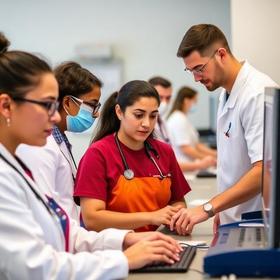
Community colleges have increasingly positioned themselves as direct pathways to employment, and employer partnerships have become one of their strongest selling points. College websites frequently promote relationships with hospitals, manufacturers, technology companies, logistics firms, and public agencies, suggesting that students who enroll in certain programs gain a competitive advantage in the job market.
For many students, especially those pursuing career and technical education, these partnerships can be a deciding factor when choosing a college. The promise is appealing: learn the skills employers need today, gain real workplace experience before graduation, and transition smoothly into a full-time career.
The reality, however, is more nuanced. Some employer partnerships create genuine hiring pipelines that consistently place graduates into rewarding careers. Others provide valuable educational experiences but are less likely to lead directly to employment. Understanding the difference helps students evaluate colleges based on measurable outcomes rather than marketing language alone. As discussed in Community College Review's article on the future of community colleges, workforce preparation has become one of the defining missions of today's two-year institutions.
What Is an Employer Partnership?
An employer partnership is an ongoing collaboration between a community college and one or more businesses or organizations. Rather than operating independently, colleges work with employers to ensure academic programs reflect current workforce needs.
These relationships often extend well beyond recruiting events. Employers may advise faculty on curriculum updates, provide internships or apprenticeships, donate modern equipment, sponsor student projects, or participate in classroom instruction. The strongest partnerships allow employers