For the 2026 school year, there is 1 community college serving 3,270 students in Ina, Illinois.
The top-ranked community college in Ina, IL is Rend Lake College.
Minority enrollment is 11% of the student body (majority Black), and the student:teacher ratio is 26:1.
Top-Ranked Ina, IL Community Colleges (2026)
College
Location
Quick Facts
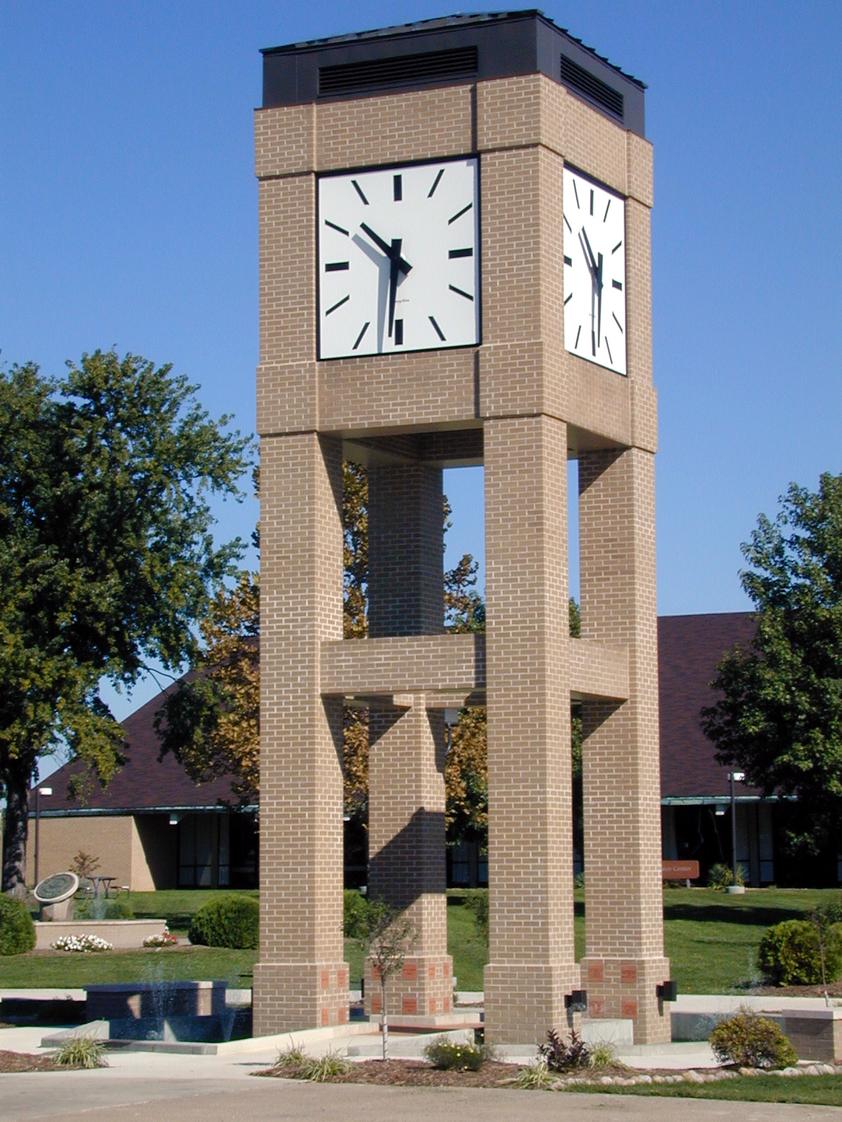
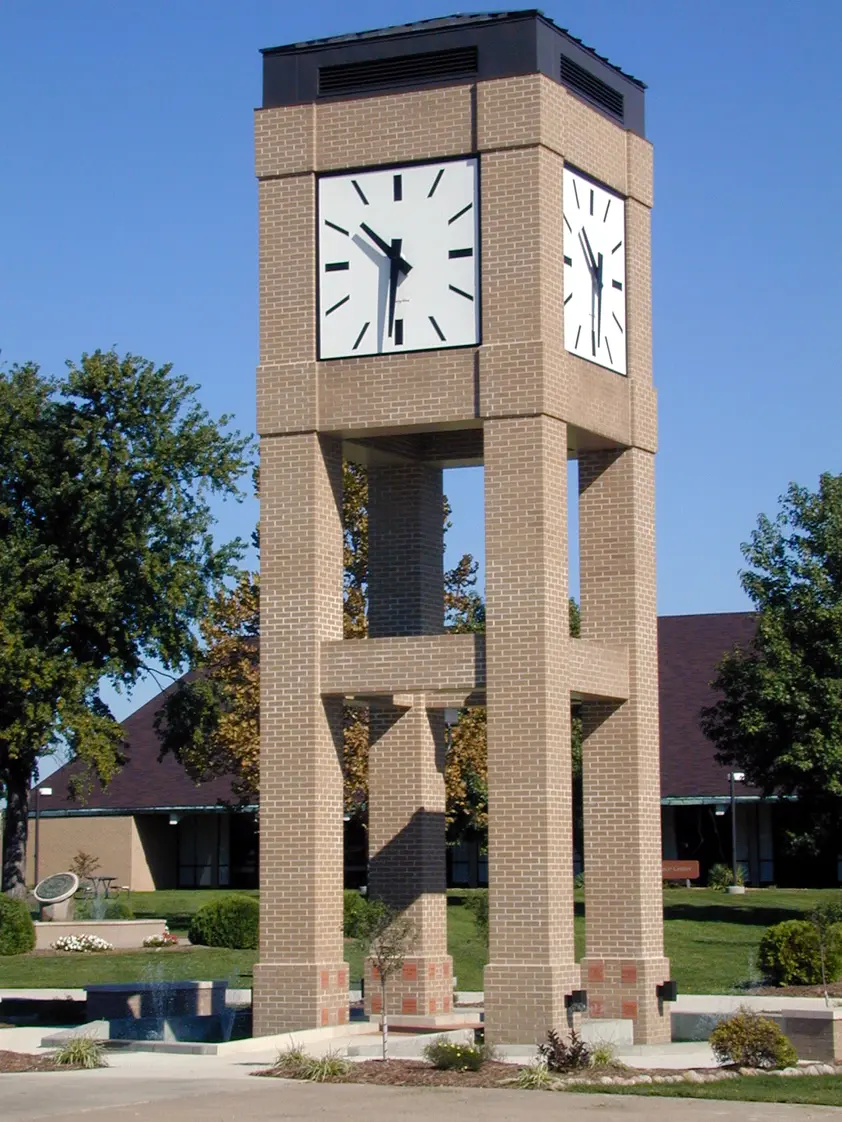
Rend Lake College![Rend Lake College Photo - Rend Lake College is a nationally ranked community college, located on the eastern shore of scenic Rend Lake in Southern Illinois. RLC has an open enrollment policy. What does that mean? It means no waiting and watching the mailbox for that letter to arrive because YOU ARE ACCEPTED! Rend Lake College Photo - Rend Lake College is a nationally ranked community college, located on the eastern shore of scenic Rend Lake in Southern Illinois. RLC has an open enrollment policy. What does that mean? It means no waiting and watching the mailbox for that letter to arrive because YOU ARE ACCEPTED!]()

Public
468 N Ken Gray Pkwy
Ina, IL 62846
(618) 437-5321
Ina, IL 62846
(618) 437-5321
Enrollment: 3,270 students Student-teacher ratio: 26:1 Acceptance rate: 100% In-state tuition: $4,050 Out-state tuition: $6,000 Minority enrollment: 11%
Frequently Asked Questions
How many community colleges are located in Ina, IL?
There is 1 community colleges serving 3,270 students in Ina, IL.
How diverse are community colleges in Ina, IL?
Community colleges in Ina, IL have approximately 11% minority enrollment, with the majority being Black.
Recent Articles
Famous Community College Graduates in 2026
Explore 10 notable community college alumni, updated 2026 data on costs, enrollment trends, and planning advice for parents and students.
Gap Year Guide for Graduating Seniors | 2026 Update
Updated insights for parents on gap years in 2026, covering trends, costs, deferrals, planning tips, and whether a gap year makes sense for your student.
Transportation Challenges for Community College Students in 2026
Explore transportation challenges for community college students in 2026 and affordable solutions including transit passes, micro-mobility, and hybrid learning.