
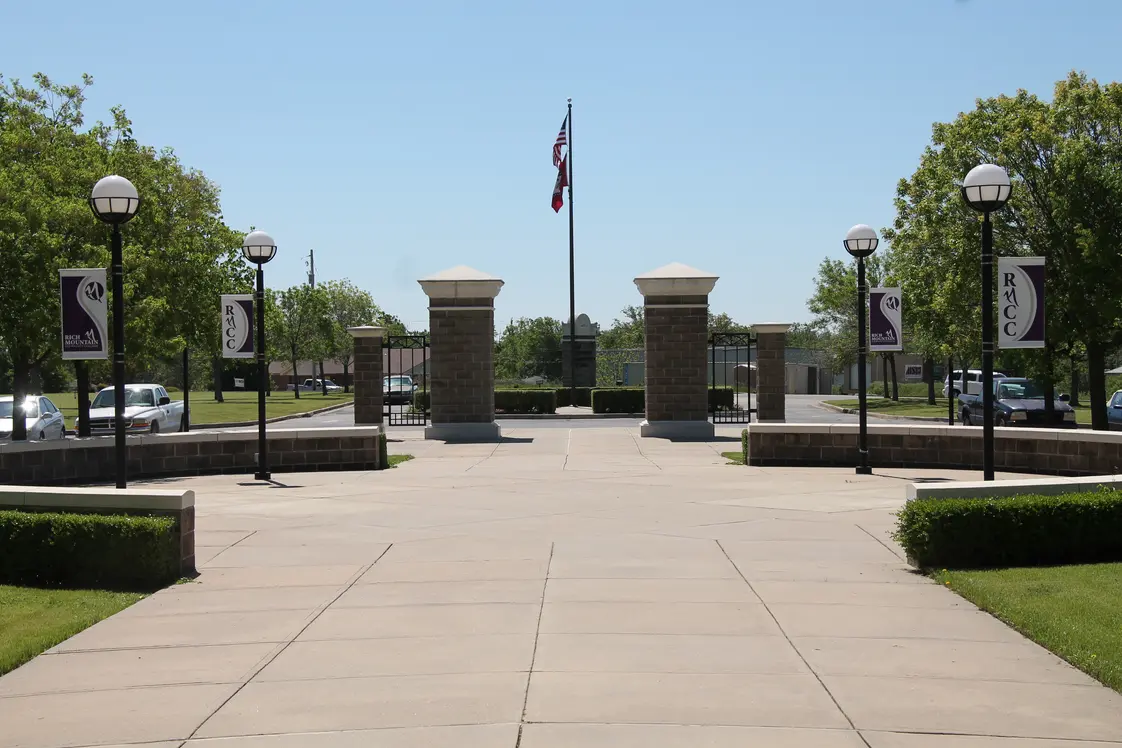
For the 2026-27 school year, there is 1 community college serving 786 students in Polk County County, Arkansas. The student:teacher ratio is :1.



Community Colleges in Polk County (2026-27)
College
Location
Quick Facts

1100 College Dr
Mena, AR 71953
(479) 394-7622
Mena, AR 71953
(479) 394-7622
Enrollment: 786 students Student-teacher ratio: 22:1 Acceptance rate: 100% In-state tuition: $1,605 Out-state tuition: $3,450 Minority enrollment: 22%
Frequently Asked Questions
How many community colleges are located in Polk County, AR?
There is 1 community colleges serving 786 students in Polk County, AR.
Recent Articles

Main Campus or Satellite Center? What Students Should Know
Compare main campuses and satellite centers at community colleges, including courses, services, facilities, schedules, transportation, and student life, before choosing where to attend classes and study each term.

Could Your Community College Program Be Cut?
Learn how to assess whether a community college program faces enrollment or funding risk, recognize warning signs, evaluate teach-out protections, and protect your progress toward graduation before enrolling.

Accepted to College but Not Your Program? What to Know
Learn why community college admission may not guarantee entry to nursing, health sciences, or other selective programs, and what applicants should do next to protect their academic plans and timeline.