The Peralta Community College District in California has recently been the subject of intense scrutiny since announcing its plans to establish "free speech" zones around its campuses. According to the Mercury News, school district officials are currently working on a policy to limit where and how groups can speak on campus.
These proposed free speech zones have rankled students and faculty alike and caused many to question whether First Amendment free speech is in jeopardy in venues where the public exchange of ideas has always been welcomed. However, Peralta is not the only college environment where free speech platforms have been limited. This idea has actually been in existence for a decade, and every college campus that has instituted free speech zones has come under fire for its plans.
This report from NCB News reports on free speech on college campuses.
Free Speech on College Campuses
Since the 1960s, college students have led many protests against social issues and stood up for policies and legislation they have believed to be a violation of their rights. Protests during that time primarily revolved around the Vietnam War, but grumblings against the "Establishment" and other social policies were also the topics of debate.
During the final two decades of the previous centuries, protests on college campuses cooled significantly. However, concerns over race and sex have emboldened students once again, according to a report from the First Amendment Center. As college officials have become concerned over potential uprisings that may result from such demonstrations, limits on when and where students can exercise their First Amendment rights have been considered and instituted.
New Mexico State University
In the 1980s, New Mexico State University established three free speech zones for students to speak and distribute literature. A student found distributing flyers in a different location was arrested for his actions. Student activist Sean Rudolph had been passing out flyers protesting the free speech zones and advertising his upcoming underground newspaper.
The New Mexico chapter of the American Civil Liberties Union took on Rudolph's case and argued that the three designated free speech zones the university had allotted saw very little pedestrian traffic on campus. Therefore, they were unacceptable locations for students to exercise free speech, and they blatantly violated First Amendment rights. The efforts of the ACLU resulted in the college altering its policy to allow any outdoor area accessible to the public to be used for the exercise of free speech.
West Virginia University
This college campus also saw controversy over the free speech zones established by school officials in 2002. The college began by creating just two free speech zones and eventually increased that number to seven after significant protests from students and faculty.
However, protesters were not satisfied with the change, stating that the seven zones still consisted of just 5% of the entire college campus area. By the end of 2002, the university finally gave up its free speech zones, due to complaints against the university over the policy.
First Amendment Violation or Protection of Students?
It is a fine line protecting First Amendment rights of free speech without infringing on the personal rights of the rest of the campus population. The Peralta district began talks about free speech zones after an anti-abortion group visited one of their campuses, following students around with video cameras and peppering the campus with disturbing photos of aborted fetuses. One editorial posted on Education.change.org referred to the behavior as harassment of students.
However, the proposed free speech zones would limit speakers to the main quads at three of their colleges and a student lounge at a fourth. Speakers would also have to reserve the space three days in advance to secure their spot for their public speech. The policy also prohibits "disruptive behavior" and the "open and persistent defiance of the authority" of college employees. Is that really free speech?
Many do not think so. Will Creeley, director of legal and public advocacy for the Philadelphia-based Foundation for Individual Rights in Education, states that it would be unreasonable and unconstitutional for speakers to be required to reserve time for the expression of their opinions.
However, some experts do believe that it is possible to draft a constitutional free speech zone policy. Robert Richards, a professor at Penn State University and expert on First Amendment issues, told the First Amendment Center, "I think if university officials could show that they were allowing speech and even encouraging speech in particular locations, they might have a sympathetic ear in some courts."
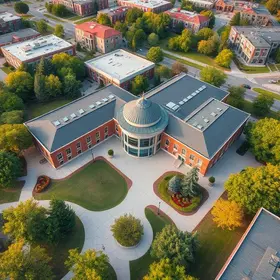
Peralta Community College District includes four college campuses; Alameda, Laney, Merritt, and Vista, according to the Peralta website. Will this district find a way to establish constitutional free speech zones? We will have to wait and see.
Questions? Contact us on Facebook @communitycollegereview.