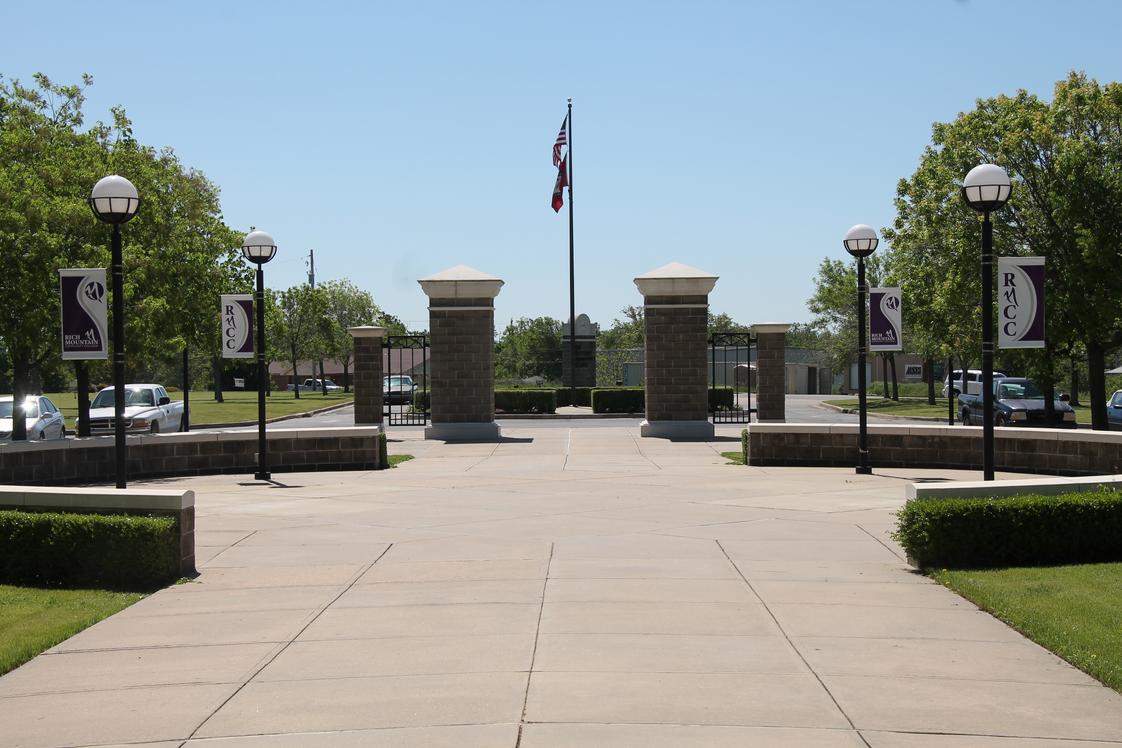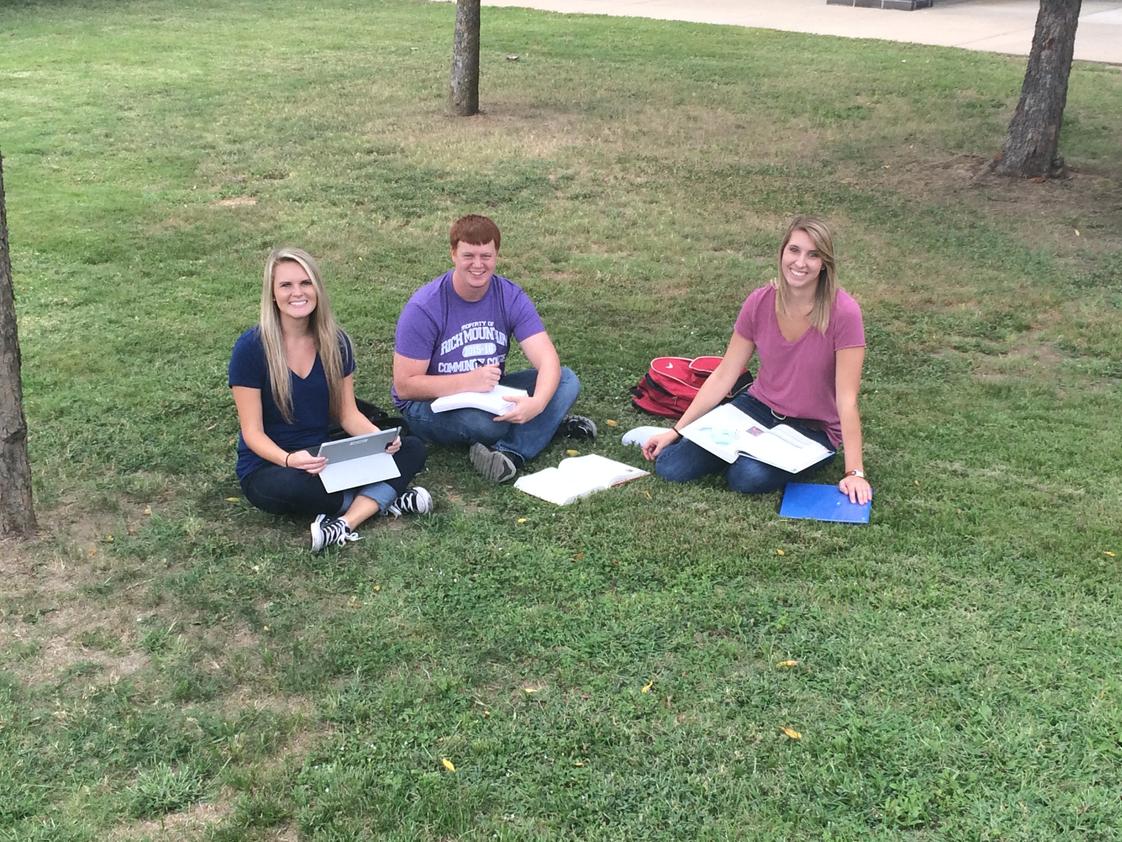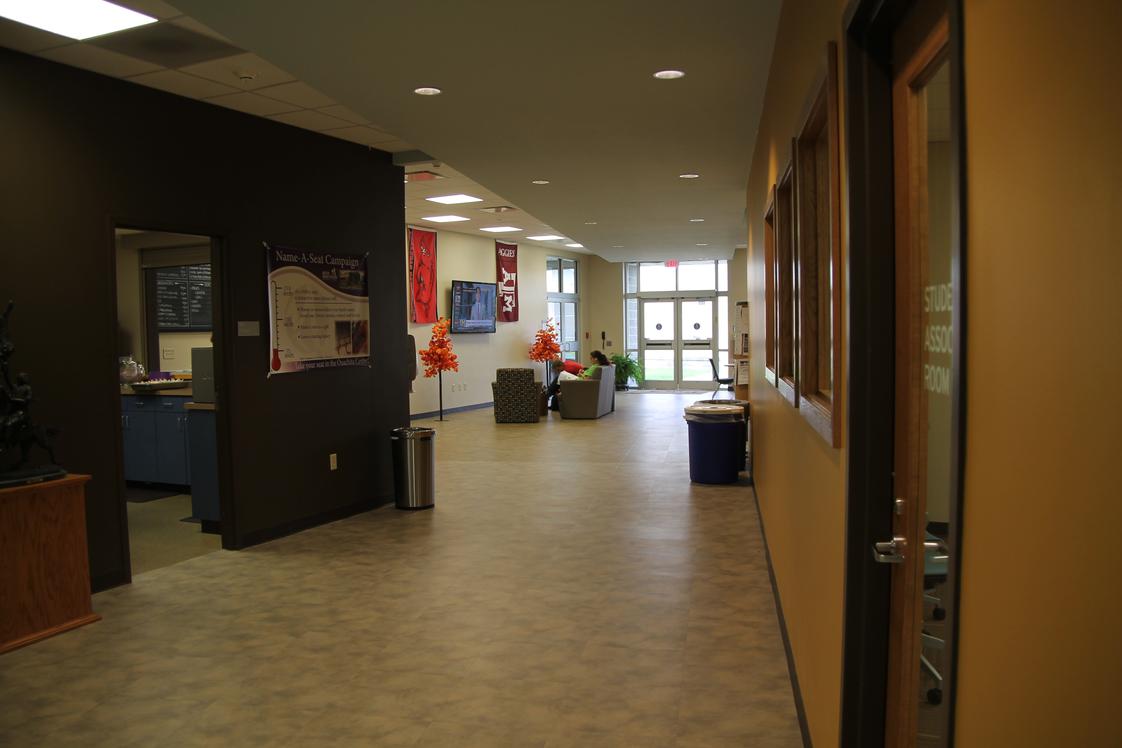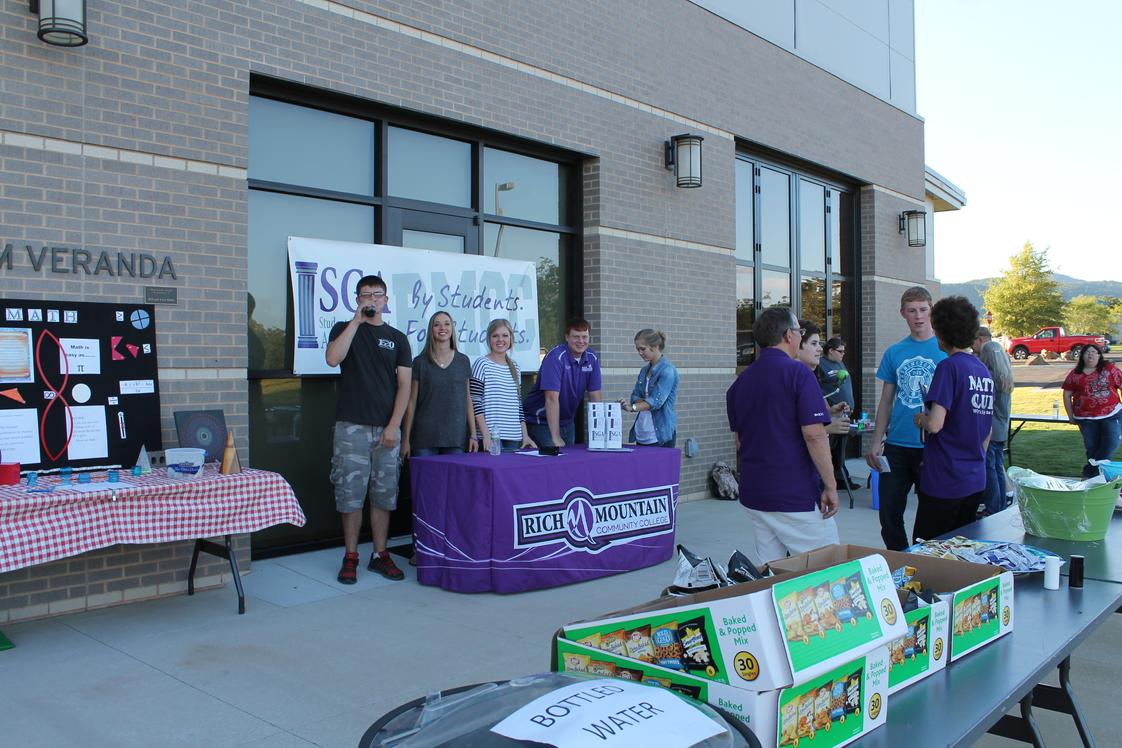


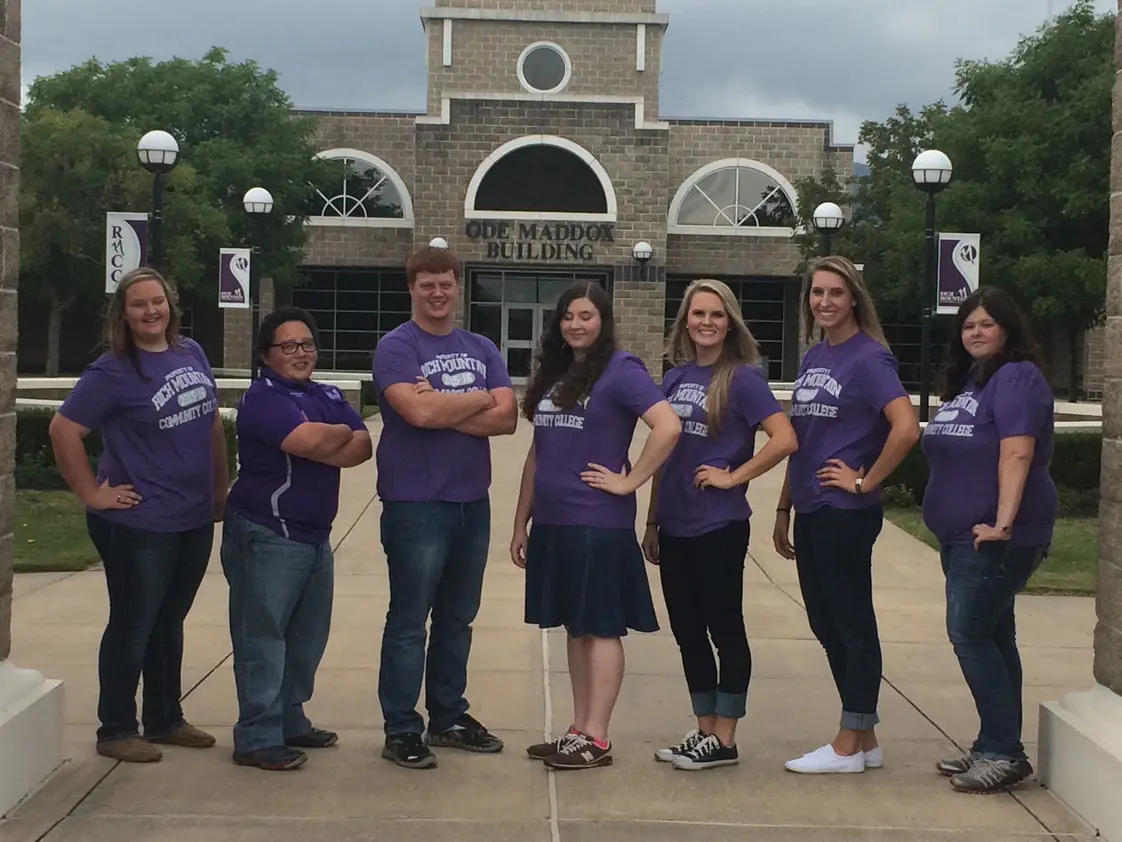


- Rich Mountain Community College is a two-year college offering transferrable general education degrees and a variety of workforce job readiness certificates. RMCC is a learning-centered institution of higher education, committed to the proposition that the educational attainment of individuals within a democratic society is, in large measure, responsible for the advancement of that society.
School Highlights
University of Arkansas Community College Rich Mountain serves 786 students (56% of students are full-time).
The college's student-teacher ratio of 22:1 is same as the state community college average of 22:1.
Minority enrollment is 22% of the student body (majority Hispanic), which is less than the state average of 38%.
Quick Facts (2026)
- Enrollment: 786 students
- In-state tuition: $1,605
- Out-state tuition: $3,450
- Acceptance Rate: 100%
- Student-teacher ratio: 22:1
- Minority enrollment: 22%
- Source: Integrated Postsecondary Education Data System (IPEDS)
Top Rankings
University of Arkansas Community College Rich Mountain ranks among the top 20% of public schools in Arkansas for:
Category
Attribute
Affordability
School Overview
The teacher population of 35 teachers has declined by 64% over five years.
University of Arkansas Community College Rich Mountain
(AR) Community College Avg.
Carnegie Classification
Associate's Colleges
0
Institution Level
At least 2 but less than 4 years
0
Institution Control
Public
0
Total Faculty
35 staff
61 staff
Number of Programs Offered
-2
1
School Calendar
Student Body
The student population of University of Arkansas Community College Rich Mountain has stayed relatively flat over five years.
The student-teacher ratio of 22:1 has increased from 9:1 over five years.
The University of Arkansas Community College Rich Mountain diversity score of 0.38 is more than the state average of 0.00. The school's diversity has grown by 101% over five years.
Total Enrollment
786 students
1,285 students
Student-Teacher Ratio
22:1
22:1
# Full-Time Students
440 students
440 students
# Part-Time Students
346 students
845 students
# Enrollment Undergraduate
544 students
548 students
# Full-Time Undergraduate Students
440 students
440 students
# Full-Time Graduate Students
n/a
7 students
# Part-Time Undergraduate Students
346 students
845 students
# Part-Time Graduate Students
n/a
30 students
Total Dormitory Capacity
153 students
160 students
% American Indian/Alaskan
3%
1%
% Asian
1%
2%
% Hispanic
12%
12%
% Black
1%
17%
% White
78%
62%
% Hawaiian
n/a
n/a
% Two or more races
1%
4%
% Non Resident races
3%
1%
% Unknown races
n/a
1%
Diversity Score
0.38
0.00
College Completion Rate (Students who graduate in less than 4 years)
57%
38%
Average Graduate Earnings (10 Years)
$25,300
$28,600
Tuition and Acceptance Rate
The public in-state tuition of $1,605 is less than the state average of $2,994. The in-state tuition has declined by 55% over four years.
The public out-state tuition of $3,450 is less than the state average of $4,750. The out-state tuition has declined by 9% over four years.
In-State Tuition Fees
$1,605
$2,994
Out-State Tuition Fees
$3,450
$4,750
Tuition Notes
These fees are per s
% Students Receiving Some Financial Aid
92%
92%
Median Debt for Graduates
n/a
$9,673
Median Debt for Dropouts
$3,500
$5,300
Acceptance Rate
100%
95%
SAT Reading
n/a
540
SAT Math
n/a
520
SAT Writing
n/a
515
ACT Composite
n/a
22
ACT English
n/a
22
ACT Math
n/a
21
Extracurriculars
Total ExtracurricularsTotal Extra-curric.
8 extracurriculars
ExtracurricularsExtra-curric.
Club or Organization:
Arts and Music Programs:
Math ClubPhi Theta Kappa
Rich Mountain Video TeamScience Club
Student Ambassadors ProgramStudent Government Association
Arts and Music Programs:
RMCC Actors' GuildVoices of the Ouachita's
Source: 2025 (or latest year available) Integrated Postsecondary Education Data System (IPEDS) , School Administrators
School Notes
- Rich Mountain Community College offers two transferrable degrees, Associate of Arts and Associate of General Studies. An Associate of Applied Science Advanced Manufacturing degree can be obtained in one of five emphasis areas: Mechanical Engineering (transferrable), Electrical Engineering (transferrable), Welding, Machine Tool Technology, and Electromechancial Technology. Along with these RMCC offers an Associate of Applied Science degree in four workforce areas: Business Administration, Information Systems Technology, Office Technology, and Registered Nursing. Other workforce certificates offered include: Welding, Culinary Arts, Health Information Systems, Cosmetology, Machine Tool, Electromechanical, Licensed Practical Nursing, Emergency Medical Technology, and Certified Nursing Assistant.
Frequently Asked Questions
How much does University of Arkansas Community College Rich Mountain cost?
University of Arkansas Community College Rich Mountain's tuition is approximately $1,605 for In-State students and $3,450 for Out-State students.
What is the acceptance rate of University of Arkansas Community College Rich Mountain?
The acceptance rate of University of Arkansas Community College Rich Mountain is 100%, which is higher than the state average of 95%.
What is University of Arkansas Community College Rich Mountain's ranking?
University of Arkansas Community College Rich Mountain ranks among the top 20% of community college in Arkansas for: Least expensive tuition.
Nearby Schools
The nearest community college to University of Arkansas Community College Rich Mountain is Cossatot Community College of the University of Arkansas (38.7 miles away)
School
Location
Miles
Quick Facts
183 College Drive
De Queen, AR 71832
(870) 584-4471
De Queen, AR 71832
(870) 584-4471
38.7 miles
Enrollment: 1,312 students Student-teacher ratio: 20:1 Acceptance rate: 54% In-state tuition: $2,647 Out-state tuition: $5,212 Minority enrollment: 47%
Carl Albert State College
Public
1507 S McKenna
Poteau, OK 74953
(918) 647-1200
Poteau, OK 74953
(918) 647-1200
39.0 miles
Enrollment: 1,851 students Student-teacher ratio: 30:1 In-state tuition: $3,003 Out-state tuition: $6,210 Minority enrollment: 51%
5210 Grand Ave
Fort Smith, AR 72913
(479) 788-7000
Fort Smith, AR 72913
(479) 788-7000
55.5 miles
Enrollment: 5,496 students Student-teacher ratio: 22:1 Acceptance rate: 80% In-state tuition: $4,727 Out-state tuition: $10,511 Minority enrollment: 41%
National Park College
Public
101 College Dr
Hot Springs, AR 71913
(501) 760-4222
Hot Springs, AR 71913
(501) 760-4222
62.8 miles
Enrollment: 1,805 students Student-teacher ratio: 13:1 In-state tuition: $3,490 Out-state tuition: $4,540 Minority enrollment: 23%
1301 W Main St
Wilburton, OK 74578
(918) 465-2361
Wilburton, OK 74578
(918) 465-2361
66.9 miles
Enrollment: 1,285 students Student-teacher ratio: 23:1 Acceptance rate: 94% In-state tuition: $3,766 Out-state tuition: $7,383 Minority enrollment: 41%
Recent Articles
Community College Housing Options for Students
Explore community college housing options in 2026, including apartments, dorms, homestays, and commuter strategies for students.

How Community Colleges Prepare Students for AI Careers
Learn how community colleges are preparing students for AI and technology careers through workforce training, certifications, and employer partnerships.

Community Colleges: A to Z Guide for 2026
Explore the complete 2026 A to Z guide to community colleges, including costs, transfer pathways, online learning, and career programs.