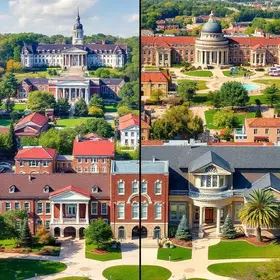

Western Iowa Tech Community College Photo #4 - Bur Oak Suites is one of 3 on-campus housing complexes for students to live near by, conveniently and affordably. Complexes include Sun Ridge Apartments, Bur Oak Suites & Prairie Place Suites.

Western Iowa Tech Community College

4647 Stone Ave
Sioux City, IA 51102
Top-Ranked (2026-27): View Rankings

School Highlights

Western Iowa Tech Community College serves 5,482 students (33% of students are full-time).
The college's student-teacher ratio of 32:1 is higher than the state community college average of 30:1.
Minority enrollment is 39% of the student body (majority Hispanic), which is more than the state average of 32%.

Quick Facts (26-27)

  • Enrollment: 5,482 students
  • In-state tuition: $139
  • Out-state tuition: $140
  • Student-teacher ratio: 32:1
  • Minority enrollment: 39%
  • Source: Verified school update

Top Rankings

Western Iowa Tech Community College ranks among the top 20% of public schools in Iowa for:

Category
Attribute
Community Size

School Overview

The teacher population of 171 teachers has declined by 60% over five years.
Western Iowa Tech Community College
(IA) Community College Avg.
Carnegie Classification
Associate's Colleges
Not applicable, not in Carnegie universe (not accredited or nondegree-granting)
Institution Level
At least 2 but less than 4 years
Institution Control
Public
Private not-for-profit
Year Founded
1966
Campus Size
143 acres
Total Faculty
171 staff
18 staff
School Calendar
School Motto
We elevate our diverse learners and strengthen our communities through inclusive and innovative education.
AccreditationAccred.
Higher Learning Commission (HLC)

Student Body

The student population of Western Iowa Tech Community College has stayed relatively flat over five years.
The student-teacher ratio of 32:1 has increased from 14:1 over five years.
The Western Iowa Tech Community College diversity score of 0.58 is more than the state average of 0.51. The school's diversity has stayed relatively flat over five years.
Total Enrollment
5,482 students
1,532 students

Showing 2008–2025. Full 19-year historical data available below ↓

Student-Teacher Ratio
32:1
30:1
# Full-Time Students
1,815 students
165 students

Showing 2008–2025. Full 19-year historical data available below ↓

# Part-Time Students
3,667 students
1,367 students

Showing 2012–2025. Full 19-year historical data available below ↓

# Enrollment Undergraduate
5,482 students
176 students
# Full-Time Undergraduate Students
1,815 students
165 students

Showing 2008–2025. Full 19-year historical data available below ↓

# Part-Time Undergraduate Students
3,667 students
1,268 students
% American Indian/Alaskan
1%
n/a
% Asian
2%
3%

Showing 2008–2025. Full 19-year historical data available below ↓

% Hispanic
20%
9%

Showing 2008–2025. Full 19-year historical data available below ↓

% Black
5%
7%

Showing 2008–2025. Full 19-year historical data available below ↓

% White
61%
68%

Showing 2010–2025. Full 19-year historical data available below ↓

% Two or more races
3%
3%
% Non Resident races
5%
1%
% Unknown races
3%
9%
Diversity Score
0.58
0.51

Showing 2011–2025. Full 19-year historical data available below ↓

College Completion Rate (Students who graduate in less than 4 years)
42%
55%

Showing 2015–2025. Full 19-year historical data available below ↓

Average Graduate Earnings (10 Years)
$32,000
$32,700

Tuition & Financial Aid

The public in-state tuition of $139 is less than the state average of $4,331. The in-state tuition has declined by 97% over four years.
The public out-state tuition of $140 is less than the state average of $4,920. The out-state tuition has declined by 97% over four years.
In-State Tuition Fees
$139
$4,331
Out-State Tuition Fees
$140
$4,920
Tuition Notes
per credit hour
% Students Receiving Some Financial Aid
91%
88%

Showing 2011–2025. Full 19-year historical data available below ↓

Median Debt for Graduates
$10,500
$11,250

Showing 2008–2020. Full 14-year historical data available below ↓

Median Debt for Dropouts
$5,500
$5,500

Showing 2008–2020. Full 14-year historical data available below ↓

Source: 2025 (or latest year available) Integrated Postsecondary Education Data System (IPEDS)

School Notes

  • Western Iowa Tech Community College main campus is located on 143 acres on the far eastern edge of Sioux City, Iowa. We also have rural campuses in Cherokee and Denison, with additional learning centers in LeMars and Mapleton. Western Iowa Tech Community College has over 70 programs to get you going. Whether you want to take a couple of classes, get a degree and transfer to another college, or get started with a career, WITCC is the best place to start. Choose from a wide range of programs ranging from Accounting and Office Support to Computer Numerical Control (CNC) Operator from History (Transfer) to Skill Enhancement. Western Iowa Tech is committed to the student experience. Besides the clubs that are supported by the college, there are planned activities that students can participate in throughout the year. These can range from movie night in the community room at the dorms to ski trips and shopping trips to karaoke in the cafeteria. Our Student Activities Coordinator works hard to make sure that your experience at WITCC is not only educational, but fun as well. The Student Success Center is located in the Learning Achievement Center with the Library Services, Open Computer Lab, TRIO SSS, and Adult Basic Education.

Frequently Asked Questions

How much does Western Iowa Tech Community College cost?
Western Iowa Tech Community College's tuition is approximately $139 for In-State students and $140 for Out-State students.
What is Western Iowa Tech Community College's ranking?
Western Iowa Tech Community College ranks among the top 20% of community college in Iowa for: Largest student body.

Recent Articles

Licensure Pass Rates: What Students Should Check
Learn how to evaluate licensure pass rates before enrolling in community college career programs, compare exam results, identify warning signs, and choose training that supports professional licensing and employment goals.
Do Your Transfer Credits Count Toward Your Major?
A college course may transfer without counting toward your major. Learn how to check degree requirements, identify elective credits, avoid graduation delays, and protect your community college transfer plan.
Transfer With 45 Credits, 60 Credits, or a Degree?
Should you transfer with 45 credits, 60 credits, or an associate degree? Compare university requirements, tuition savings, graduation timelines, and transfer benefits to choose the best path for your goals.

Quick Facts (26-27)

  • Enrollment: 5,482 students
  • In-state tuition: $139
  • Out-state tuition: $140
  • Student-teacher ratio: 32:1
  • Minority enrollment: 39%
  • Source: Verified school update

Related School Videos

Quick Links