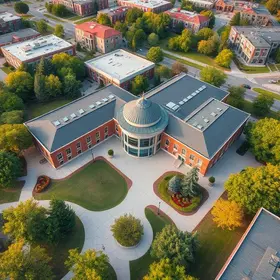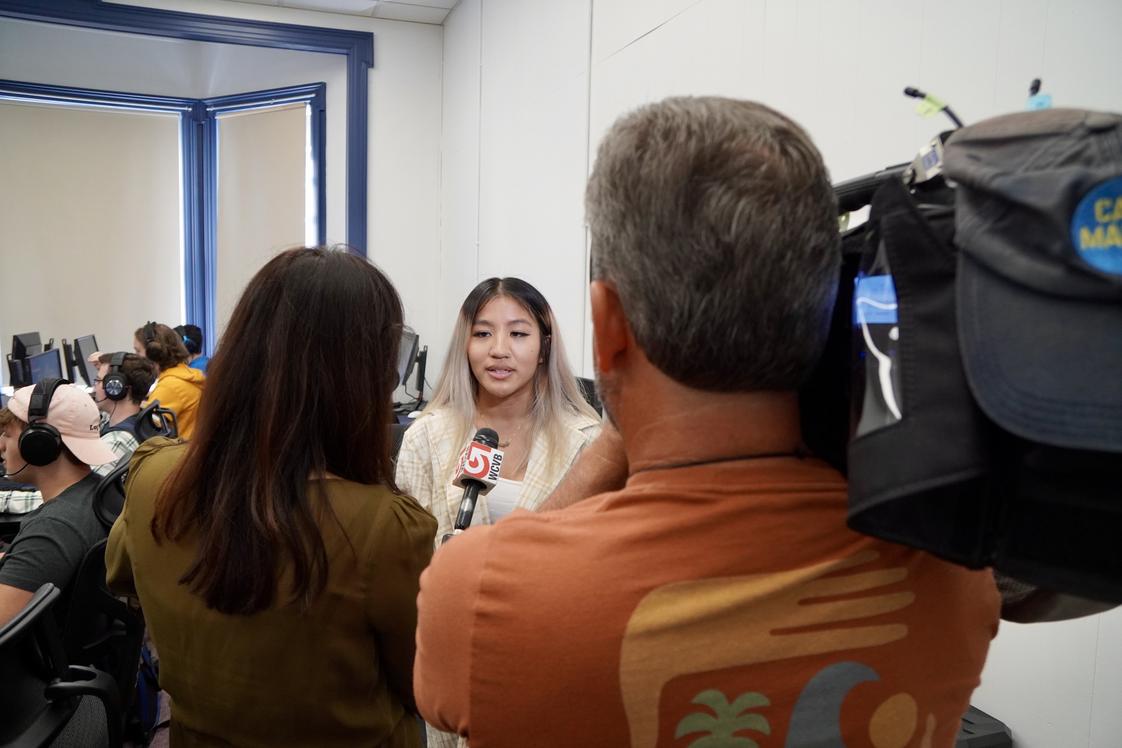
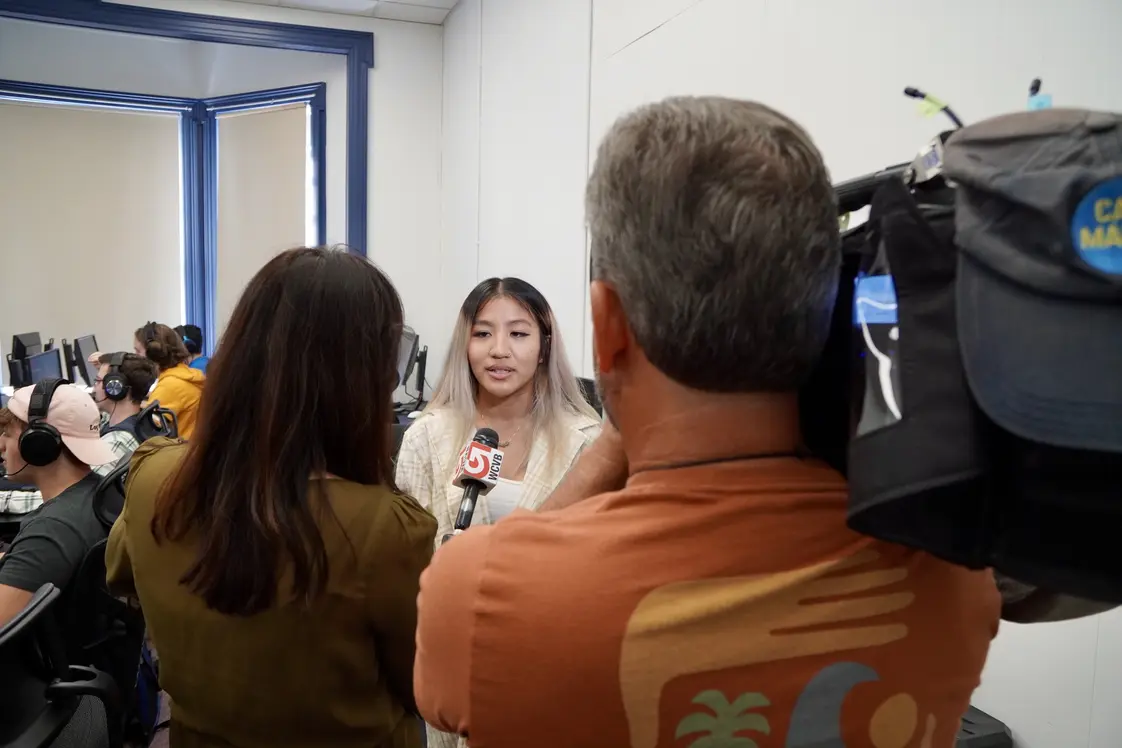

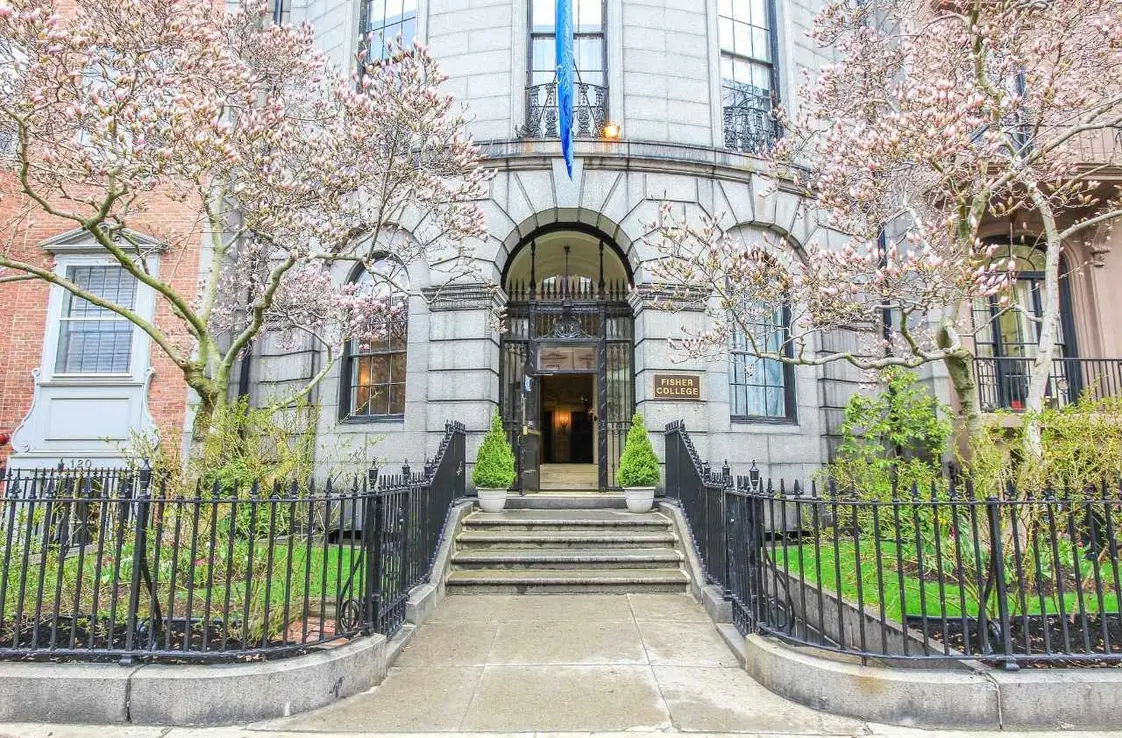


- Getting to know a college should be about more than majors and dining hall menus. At Fisher College, it`s about our faculty and administrators knowing your name - and you knowing ours. Through Fisher, you`ll find the world in Boston.Our students benefit from a personalized education path, mentorship from professors and an amazing range of experiences inside and outside the classroom. We want to see you enjoy yourself, grow into a more thoughtful and powerful individual, expand your horizons, and go on to shape our world at the very best companies and organizations across the globe. It all starts here.We are Fisher College - it`s nice to meet you.
School Highlights
Quick Facts (26-27)
- Enrollment: 1,652 students
- Private-state tuition: $35,013
- Acceptance Rate: 71%
- Student-teacher ratio: 25:1
- Minority enrollment: 85%
- Source: Verified school update
Top Rankings
Fisher College ranks among the top 20% of public schools in Massachusetts for:
School Overview
Student Body
Showing 2012–2025. Full 19-year historical data available below ↓
Showing 2011–2025. Full 19-year historical data available below ↓
Showing 2011–2025. Full 19-year historical data available below ↓
Showing 2011–2025. Full 19-year historical data available below ↓
Showing 2008–2025. Full 19-year historical data available below ↓
Showing 2008–2025. Full 19-year historical data available below ↓
Showing 2010–2025. Full 19-year historical data available below ↓
Showing 2010–2025. Full 19-year historical data available below ↓
Showing 2011–2025. Full 19-year historical data available below ↓
Tuition & Financial Aid
Showing 2011–2025. Full 19-year historical data available below ↓
Showing 2008–2020. Full 14-year historical data available below ↓
Showing 2008–2020. Full 14-year historical data available below ↓
Sports
Extracurriculars
School Notes
- It has been the tradition of Fisher College to serve the educational needs of different populations. In its Day Division, Fisher provides career and transfer programs in a small college setting. This division actively seeks a diverse student population reflecting a cross section of American and international cultures.
- The Graduate and Professional Studies Division offers degree and certificate programs both electronically and at locations in eastern Massachusetts to a broad spectrum of learners as well as to business and industry through courses, seminars, workshops, and training sessions. When it was founded in 1903, Fisher College emphasized vocational preparation for its first few decades. Since then curriculum plans and objectives have expanded.
- In 1952, Fisher was approved as a two-year college by the Board of Regents of Higher Education of the Commonwealth of Massachusetts, and, in 1957, was given degree-granting powers. In 1970, Fisher gained membership in the New England Association of Schools and Colleges, Inc., with accreditation. Today, students from all parts of America and from numerous foreign countries attend Fisher's Day Division. In January 1999 Fisher College was approved by the Massachusetts Board of Higher Education to offer the Bachelor of Science in Management Degree. In December 2009 Fisher College was approved by the Massachusetts Board of Higher Education to offer a Bachelor of Arts in Communication and Media Studies, as well as a Bachelor of Science in Human Services. Today, the college offers a wide variety of Bachelor degree and concentration options, including Psychology and Criminal Justice.
Frequently Asked Questions
How much does Fisher College cost?
What is the acceptance rate of Fisher College?
What sports does Fisher College offer?
What is Fisher College's ranking?
In what neighborhood is Fisher College located?
Recent Articles