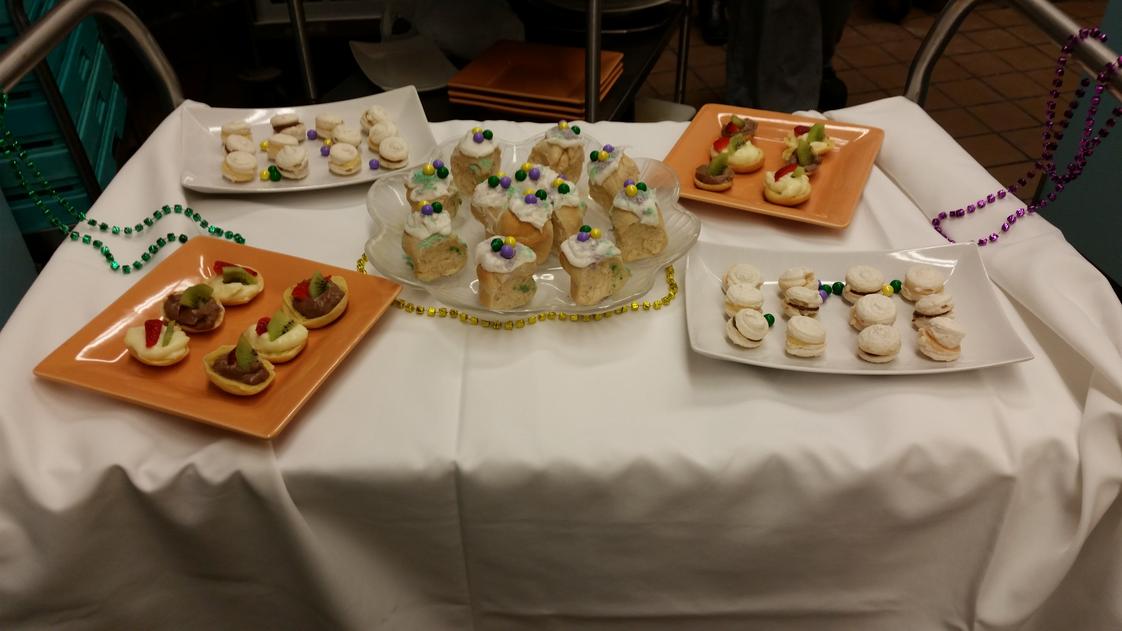
JNA Institute of Culinary Arts is dedicated to turning out well-trained graduates. The faculty, using modern educational techniques, teaches the students in a realistic job setting. Hands-on training is stressed, but theory and relevant course work are also used to provide our students with the necessary background and experience to become successes.
School Highlights
Jna Institute of Culinary Arts serves 15 students (100% of students are full-time).
The college's student-teacher ratio of 4:1 is lower than the state community college average of 22:1.
Minority enrollment is 88% of the student body (majority Black), which is more than the state average of 50%.
Quick Facts (2026)
Enrollment: 15 students
Private-state tuition: $12,725
Student-teacher ratio: 4:1
Minority enrollment: 88%
Source: Integrated Postsecondary Education Data System (IPEDS)
Note: Data may not be displayed on any public-facing website or service that replicates or resembles a college search or review portal without prior written permission. See our Terms of Service.
The student population of Jna Institute of Culinary Arts has grown by 7% over five years.
The student-teacher ratio of 4:1 has decreased from 5:1 over five years.
The Jna Institute of Culinary Arts diversity score of 0.63 is more than the state average of 0.00. The school's diversity has declined by 10% over five years.
Note: Data may not be displayed on any public-facing website or service that replicates or resembles a college search or review portal without prior written permission. See our Terms of Service.
Note: Data may not be displayed on any public-facing website or service that replicates or resembles a college search or review portal without prior written permission. See our Terms of Service.
Note: Data may not be displayed on any public-facing website or service that replicates or resembles a college search or review portal without prior written permission. See our Terms of Service.
Note: Data may not be displayed on any public-facing website or service that replicates or resembles a college search or review portal without prior written permission. See our Terms of Service.
Note: Data may not be displayed on any public-facing website or service that replicates or resembles a college search or review portal without prior written permission. See our Terms of Service.
Note: Data may not be displayed on any public-facing website or service that replicates or resembles a college search or review portal without prior written permission. See our Terms of Service.
Note: Data may not be displayed on any public-facing website or service that replicates or resembles a college search or review portal without prior written permission. See our Terms of Service.
Note: Data may not be displayed on any public-facing website or service that replicates or resembles a college search or review portal without prior written permission. See our Terms of Service.
Note: Data may not be displayed on any public-facing website or service that replicates or resembles a college search or review portal without prior written permission. See our Terms of Service.
Note: Data may not be displayed on any public-facing website or service that replicates or resembles a college search or review portal without prior written permission. See our Terms of Service.
College Completion Rate (Students who graduate in less than 4 years)
Note: Data may not be displayed on any public-facing website or service that replicates or resembles a college search or review portal without prior written permission. See our Terms of Service.
Note: Data may not be displayed on any public-facing website or service that replicates or resembles a college search or review portal without prior written permission. See our Terms of Service.
Tuition and Acceptance Rate
The private state tuition of $12,725 is less than the state average of $17,224. The private state tuition has declined by 12% over four years.
Note: Data may not be displayed on any public-facing website or service that replicates or resembles a college search or review portal without prior written permission. See our Terms of Service.
Note: Data may not be displayed on any public-facing website or service that replicates or resembles a college search or review portal without prior written permission. See our Terms of Service.
Note: Data may not be displayed on any public-facing website or service that replicates or resembles a college search or review portal without prior written permission. See our Terms of Service.
Note: Data may not be displayed on any public-facing website or service that replicates or resembles a college search or review portal without prior written permission. See our Terms of Service.
Acceptance Rate
n/a
81%
SAT Reading
n/a
470
SAT Math
n/a
489
SAT Writing
n/a
435
ACT Composite
n/a
20
ACT English
n/a
20
ACT Math
n/a
21
ACT Writing
n/a
7
Source: 2025 (or latest year available) Integrated Postsecondary Education Data System (IPEDS)
School Notes
JNA Institute of Culinary Arts has provided quality training for
the food service industry since 1988. From the standpoint of
success stories, graduates from our first program are still
employed in the food service industry in ever increasing areas of
responsibility. With a strong concern for educational excellence
and a proud record of job placement, the school maintains an
excellent reputation among students, graduates, and employers
throughout the Philadelphia area. In 1999 the Alpha Beta Kappa
National Honor Society authorized the establishment of the “Iota of
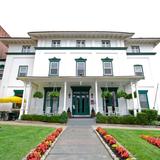
Pennsylvania” Chapter at the school. The school is located at the
south end of the Avenue of the Arts, in the heart of historic South
Philadelphia, and is easily accessible by all forms of public
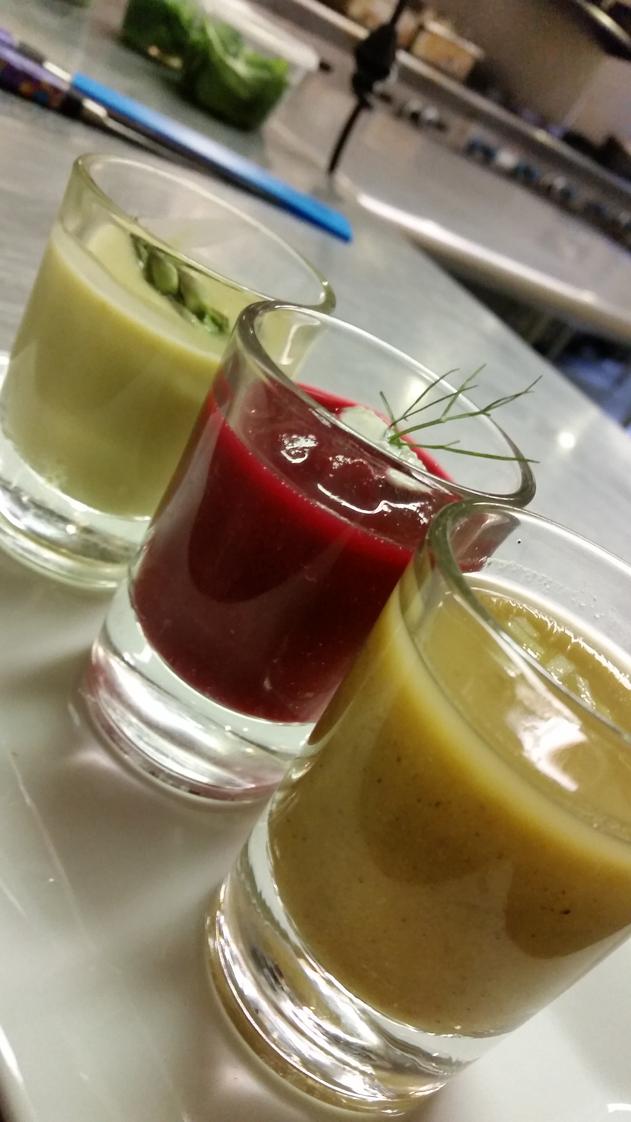
transportation. The school features two laboratory kitchens with
ranges, ovens, broilers, other commercial cooking equipment and
supplies needed to simulate working restaurants. The use of these
laboratory kitchens in conjunction with classroom lectures enhances
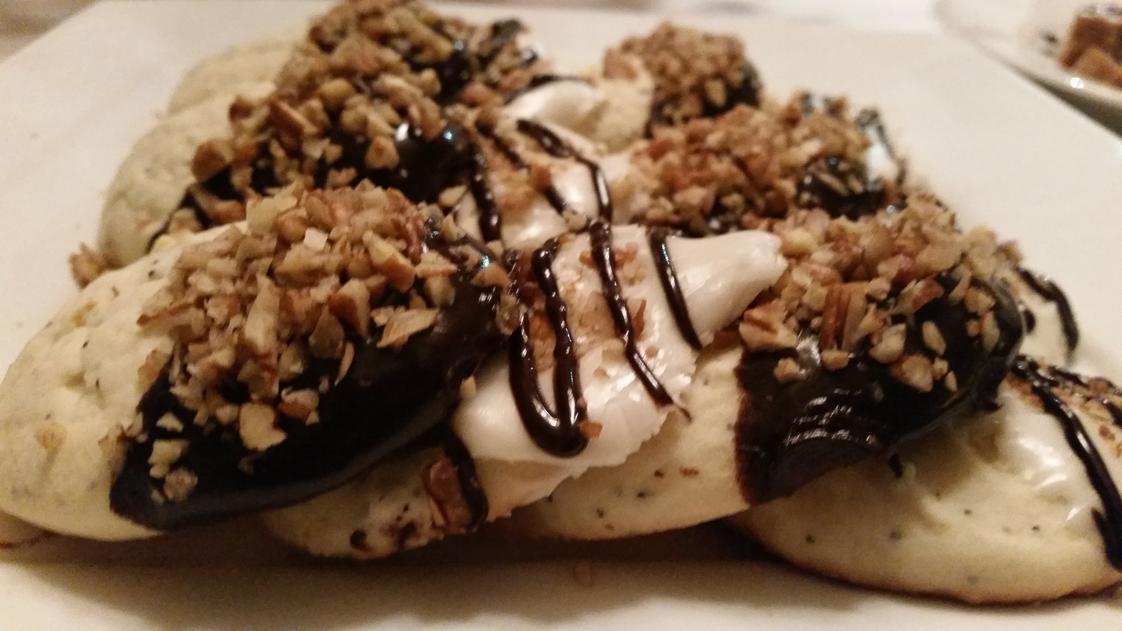
the training provided by our programs. Our equipment assists in the
proper instruction and production of breads, cakes, tarts, sauces,
salads and entrées that prepares and qualifies students to meet the
expectations of the food service industry. The college offers
Diploma Program in Professional Cooking, Specialized Food Service
Management program and Associate Degree in Culinary Arts /
Restaurant Management. In 1992 the school was recognized by the
Pennsylvania Department of Education, State Board of Private
Licensed Schools and was granted a License to operate as a private
licensed school. In February of 1994 the school became accredited
by the Accrediting Commission of Career Schools and Colleges of
Technology (ACCSCT).