
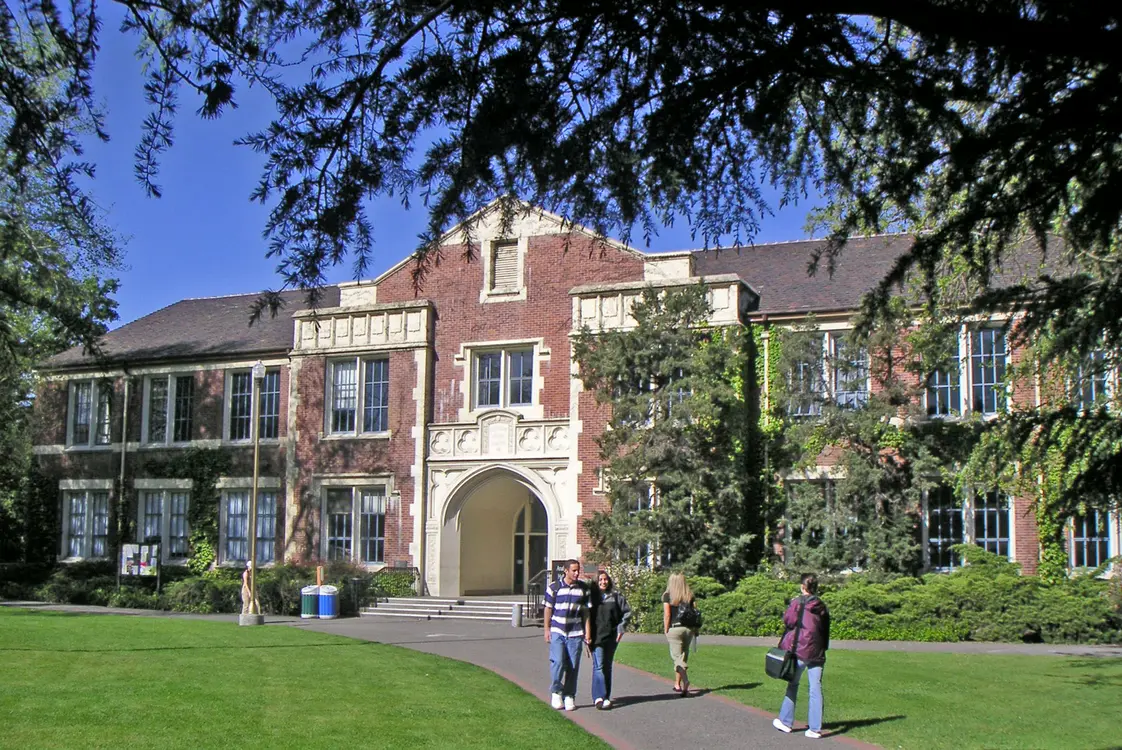


- Santa Rosa Junior College is one of California's leading community colleges and has a 100-year history of excellence in education. Award-winning faculty teach university transfer courses, degree and certificate programs, career education, and a wide variety of classes to students ranging from high school age to active older adults
School Highlights
Santa Rosa Junior College serves 17,854 students (28% of students are full-time).
The college's student-teacher ratio of 32:1 is lower than the state community college average of 44:1.
Minority enrollment is 58% of the student body (majority Hispanic), which is less than the state average of 77%.
Quick Facts (2026)
- Enrollment: 17,854 students
- In-state tuition: $1,340
- Out-state tuition: $7,388
- Acceptance Rate: 100%
- Student-teacher ratio: 32:1
- Minority enrollment: 58%
- Source: Verified school update
Top Rankings
Santa Rosa Junior College ranks among the top 20% of public schools in California for:
Category
Attribute
Community Size
School Overview
The teacher population of 554 teachers has declined by 48% over five years.
Santa Rosa Junior College
(CA) Community College Avg.
Carnegie Classification
Associate's Colleges
0
Institution Level
At least 2 but less than 4 years
0
Institution Control
Public
0
Total Faculty
554 staff
72 staff
Number of Programs Offered
-2
8
School Calendar
Student Body
The student population of Santa Rosa Junior College has grown by 6% over five years.
The student-teacher ratio of 32:1 has increased from 18:1 over five years.
The Santa Rosa Junior College diversity score of 0.66 is more than the state average of 0.00. The school's diversity has stayed relatively flat over five years.
Total Enrollment
17,854 students
6,838 students
Student-Teacher Ratio
32:1
44:1
# Full-Time Students
5,064 students
1,022 students
# Part-Time Students
12,790 students
5,816 students
# Enrollment Undergraduate
964 students
381 students
# Full-Time Undergraduate Students
5,064 students
967 students
# Full-Time Graduate Students
n/a
96 students
# Part-Time Undergraduate Students
12,790 students
5,798 students
# Part-Time Graduate Students
n/a
21 students
Total Dormitory Capacity
n/a
140 students
% American Indian/Alaskan
1%
n/a
% Asian
5%
12%
% Hispanic
39%
46%
% Black
2%
7%
% White
42%
23%
% Hawaiian
n/a
n/a
% Two or more races
5%
5%
% Non Resident races
1%
1%
% Unknown races
5%
6%
Diversity Score
0.66
0.00
College Completion Rate (Students who graduate in less than 4 years)
31%
42%
Average Graduate Earnings (10 Years)
$41,300
$34,700
Tuition and Acceptance Rate
The public in-state tuition of $1,340 is more than the state average of $1,236. The in-state tuition has stayed relatively flat over four years.
The public out-state tuition of $7,388 is more than the state average of $6,577. The out-state tuition has declined by 9% over four years.
In-State Tuition Fees
$1,340
$1,236
Out-State Tuition Fees
$7,388
$6,577
Tuition Notes
$46 per-unit enrollment fee
% Students Receiving Some Financial Aid
82%
85%
Median Debt for Graduates
$9,951
$10,500
Median Debt for Dropouts
$6,750
$6,272
Acceptance Rate
100%
81%
Sports
Total Sports Offered
17 sports
Sports
BalletBaseball
BasketballCheering
Cross CountryDance
DivingFencing
FootballGolf
SoccerSwimming
TennisTrack and Field
VolleyballWater Polo
Wrestling
Extracurriculars
Total ExtracurricularsTotal Extra-curric.
59 extracurriculars
ExtracurricularsExtra-curric.
Club or Organization:
A Place for ParentsAPASS
ASL ClubBear Cub Bike Club
Biology ClubBlack & Brown Union
Black Student UnionBusiness & Career Networking Club
Capoeira ClubCircle K International
Community for ChangeComputer Science Club
Culinary CubsData Science Club
EcoLeaders ClubEconomics Club
English ClubFencing Club
Fire Technology and Emergency Medical Service ClubGender and Sexuality Alliance
Geology ClubGrow and Prosper Club
International ClubIntervarsity Christian Fellowship
Marketing ClubMath Club
Movimento Estudiantil Chicano de Aztlan (MEChA)Mujeres Xingonas
Native American Student CouncilNutrition Club
Petaluma Anime ClubPetaluma Bridges LGBQT+ Club
Petaluma Chapter of the National Society of Leadership & Success (Sigma Alpha Pi)Petaluma Communications Club
Petaluma Communications Honor Society (Sigma Chi Eta)Petaluma Computer Security Club
Petaluma Dreamers ClubPetaluma E-Gaming Club
Petaluma Females Empowering Each OtherPetaluma Games Club
Petaluma Gateway to CollegePetaluma Makers Club
Petaluma Multicultural Dancing ClubPetaluma Our House Club
Petaluma Puente ClubPetaluma Story Club
Phi Theta KappaPuente Club
Second Chance ClubSociety of Physics Students
SRJC CheerleadingSRJC Men's Rugby
SRJC Polar Bears Ice HockeyStudent Ambassadors
Students for RecoveryThe Engineering Club
The Real Geek Squad ClubUNICEF Club
Young Americans for Liberty Club
Source: 2025 (or latest year available) Integrated Postsecondary Education Data System (IPEDS) , School Administrators
School Notes
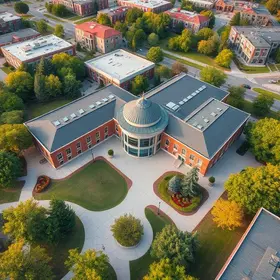
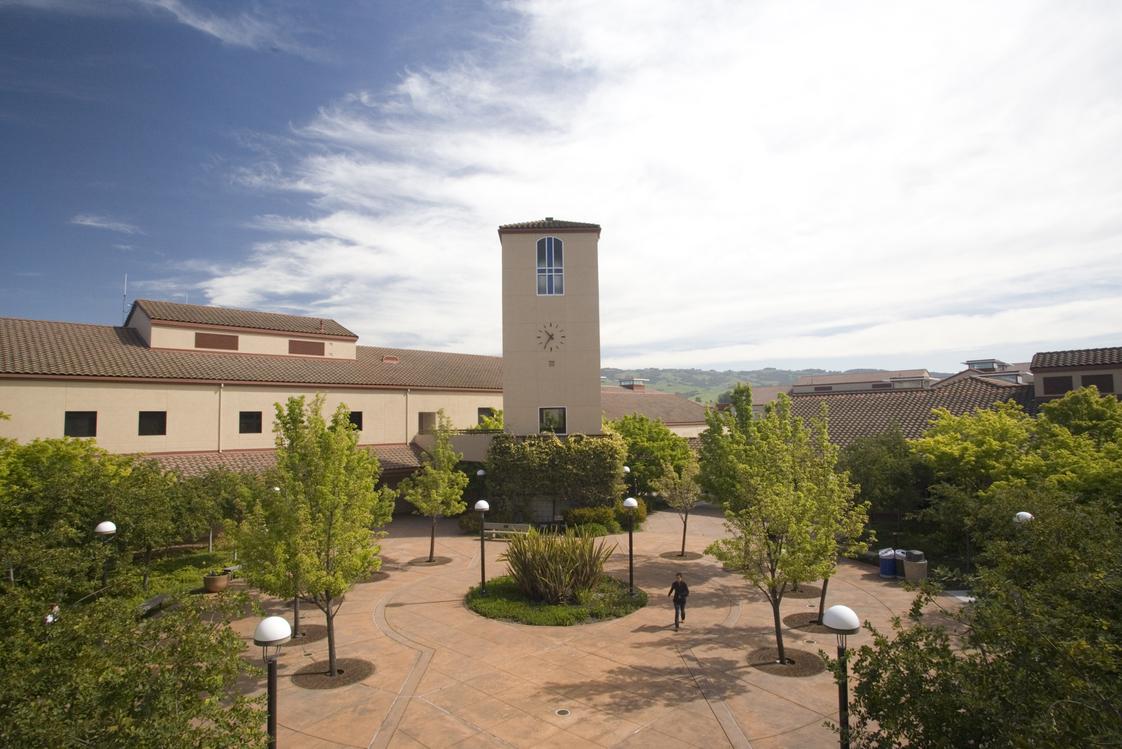
- Santa Rosa Junior College, founded in 1918, is the tenth oldest of California's 108 publicly funded, two-year community colleges. From its initial freshman class of 19 students in 1918, SRJC has grown into one of the largest single college districts in the country: the Sonoma County Junior College District. SRJC offers a strong general education program for students planning to transfer to four-year colleges and universities, as well as more than 140 occupational programs designed to prepare students for the workforce. The college grants both associate of arts (A.A.) and associate of sciences (A.S.) degrees. SRJC offers comprehensive transfer preparatory and career training programs at dozens of sites, including two beautiful campuses in Petaluma and Santa Rosa that are located 35 and 52 miles north of San Francisco, respectively. Both the oak-studded Santa Rosa Campus, which is largely characterized by elegant turn-of-the-century brick buildings on over 100 acres, and the 40-acre contemporary adobe style Petaluma Campus, offer a distinct and welcoming atmosphere that is highly conducive to student learning and to employment. The college operates a self-sustaining 365-acre Shone Farm near the Russian River, a progressive Technology Academy in Telecom Valley, a new student run gourmet Culinary Arts Center in downtown Santa Rosa, and a top flight Public Safety Center Training Center in Windsor. SRJC has international education programs in Europe and Central America, conference winning athletic programs, nationally ranked speech and debate teams, a national recognized Summer Repertory Theatre, Planetarium, the Jesse Peter Native American Museum, and Art Gallery. At SRJC we focus on the student, and the successes that our students have achieved are evidence of that attention. While we traditionally enroll approximately 36,000 students each semester, our class sizes are small and students have the opportunity to work closely with their instructors. Our transfer students who go on to four-year colleges and universities do as well as (and in many cases, better than) students who began their college careers at a four-year institution. Students who complete one of more than 150 vocational certificates enter the workforce well trained to succeed in business and industry.
Frequently Asked Questions
How much does Santa Rosa Junior College cost?
Santa Rosa Junior College's tuition is approximately $1,340 for In-State students and $7,388 for Out-State students.
What is the acceptance rate of Santa Rosa Junior College?
The acceptance rate of Santa Rosa Junior College is 100%, which is higher than the state average of 81%.
What sports does Santa Rosa Junior College offer?
Santa Rosa Junior College offers 17 interscholastic sports: Ballet, Baseball, Basketball, Cheering, Cross Country, Dance, Diving, Fencing, Football, Golf, Soccer, Swimming, Tennis, Track and Field, Volleyball, Water Polo and Wrestling.
What is Santa Rosa Junior College's ranking?
Santa Rosa Junior College ranks among the top 20% of community college in California for: Largest student body.
In what neighborhood is Santa Rosa Junior College located?
Santa Rosa Junior College is located in the West Junior College neighborhood of Santa Rosa, CA.
Recent Articles

Community Colleges and the Creator Economy
Explore how community colleges prepare students for YouTube, podcasting, content creation, and creator economy careers.

AI-Augmented Careers and Community Colleges
Explore AI-augmented careers and how community colleges prepare students with practical skills, credentials, and employer-aligned training.

Catholic School Marketing Strategies in Competitive Choice Markets
Learn effective Catholic school marketing strategies for standing out in competitive school choice markets in 2026.