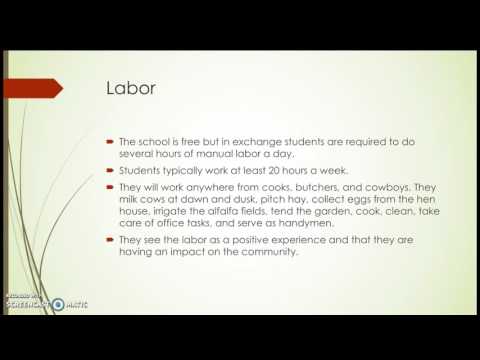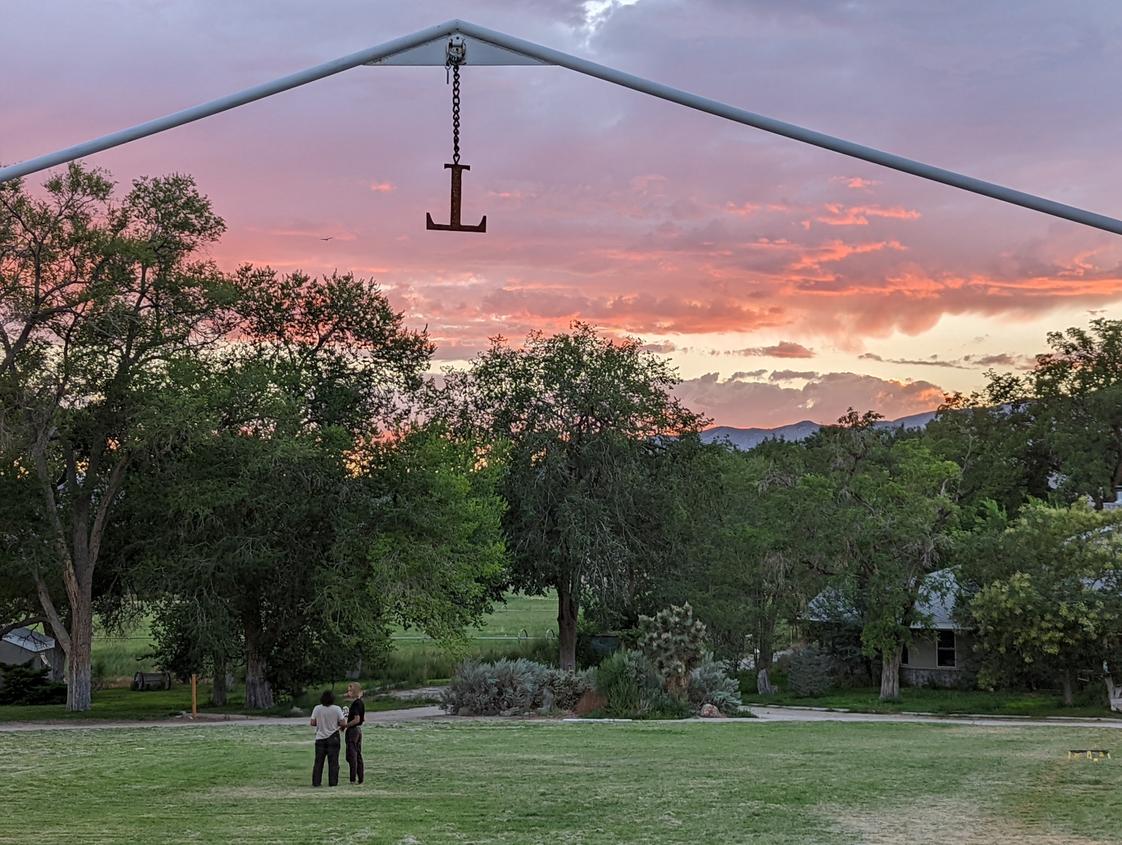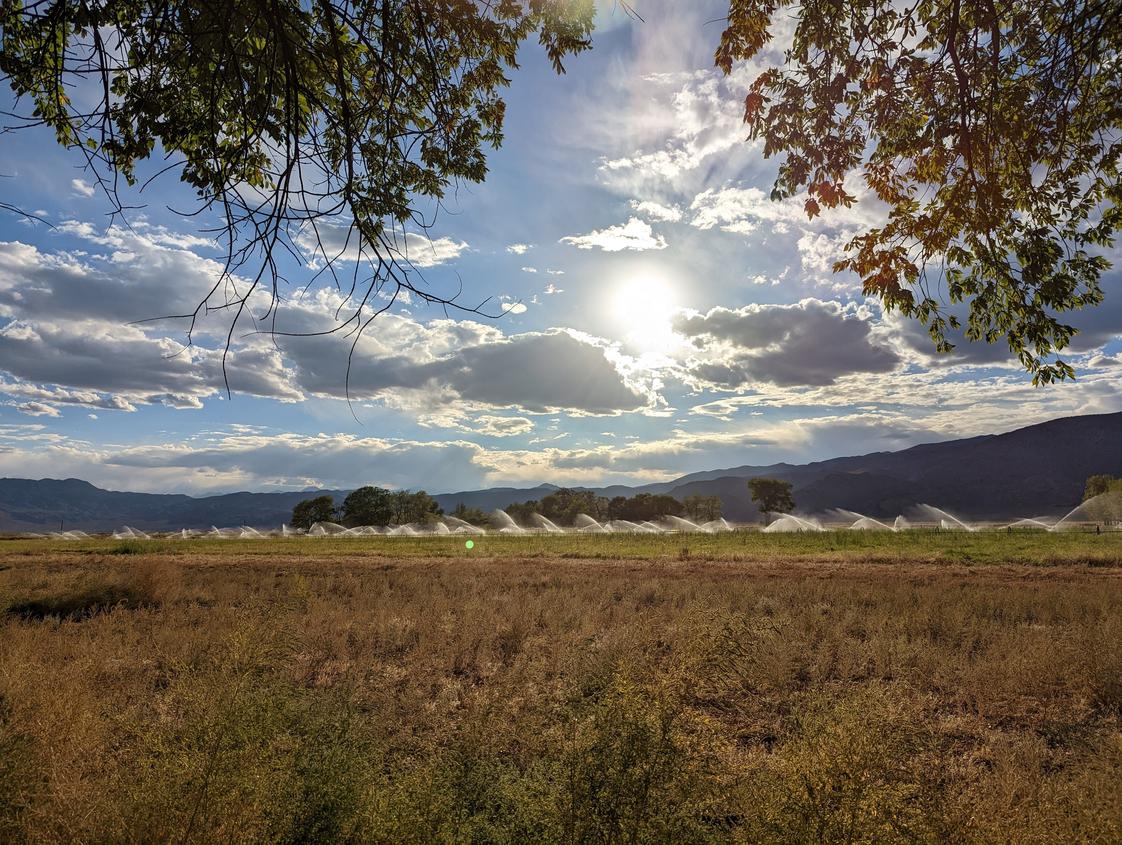
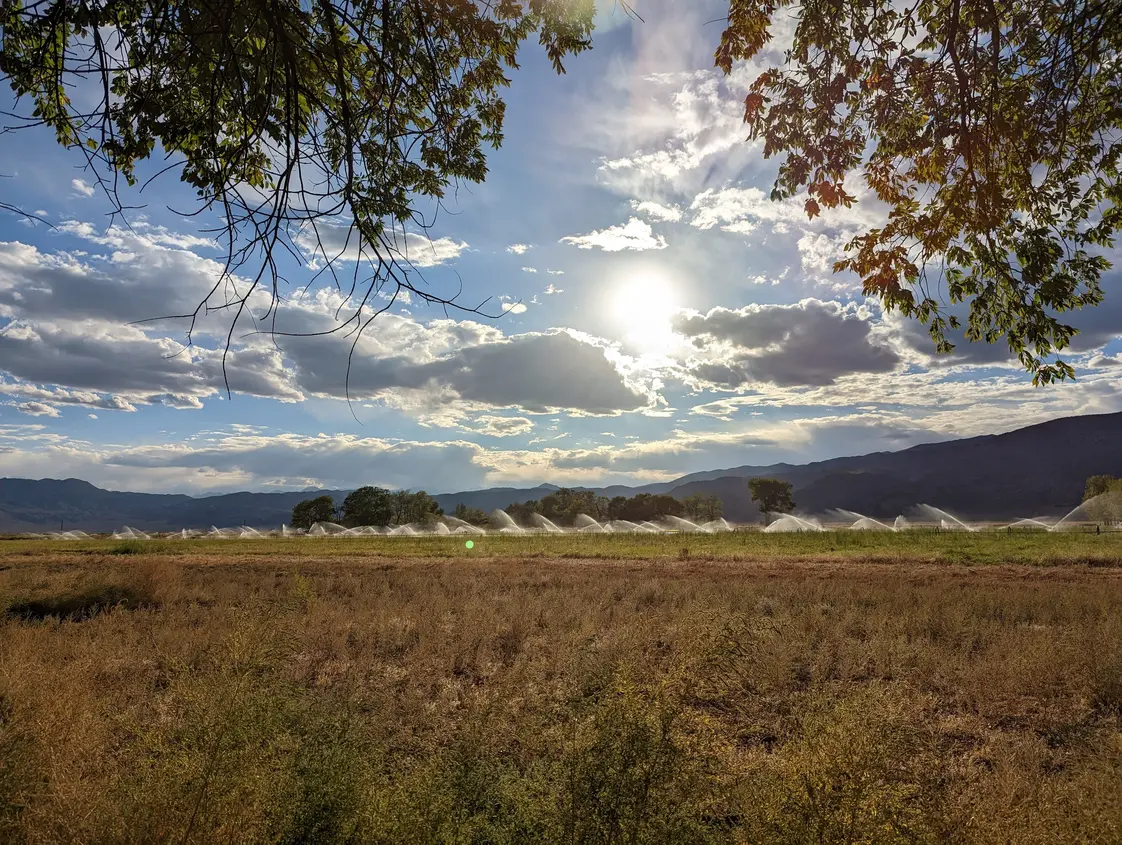

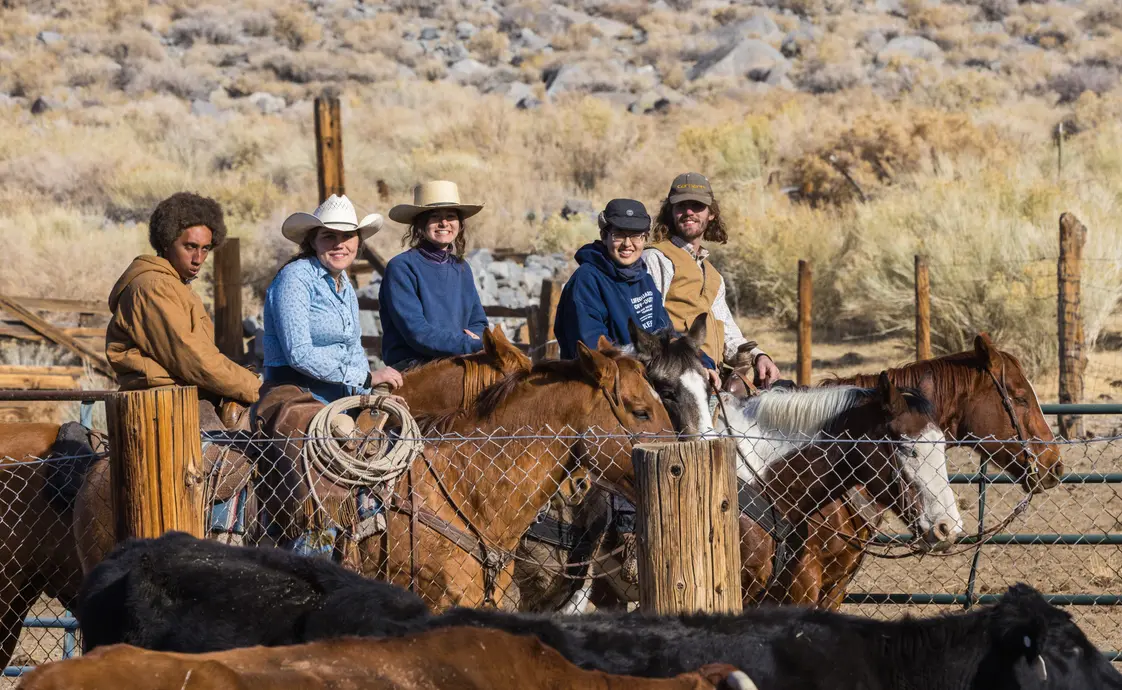


- Deep Springs is a liberal arts college located on a self-sustaining cattle-ranch and alfalfa farm in California's High Desert. The 24-30 members of the student body form a close community engaged in an intense educational project delineated by what Deep Springs' founder, L. L. Nunn, termed the "three pillars": academics, labor and self-governance. The principle underlying the three pillars is that manual labor and political deliberation are necessary supplements to the liberal arts in the training of future servants to humanity. Students attend for two years (after which most transfer to a four-year institution) and receive a full room, board, and tuition scholarship valued at over $50,000 per year.
School Highlights
Deep Springs College serves 27 students (100% of students are full-time).
Minority enrollment is 100% of the student body (majority Black and Hispanic), which is less than the state average of 66%.
Quick Facts (2026)
- Enrollment: 27 students
- Source: Verified school update
Top Rankings
Deep Springs College ranks among the top 20% of public schools in Nevada for:
Category
Attribute
School Overview
Deep Springs College
(NV) Community College Avg.
Carnegie Classification
Associate of Arts Colleges
0
Institution Level
At least 2 yrs but < 4 yrs
0
Institution Control
Private, non-profit
0
Total Faculty
n/a
36 staff
School Calendar
Student Body
The student population of Deep Springs College has stayed relatively flat over five years.
The Deep Springs College diversity score of 0.00 is equal to the state average of 0.00. The school's diversity has declined by 100% over five years.
Total Enrollment
27 students
3,225 students
Student-Teacher Ratio
n/a
31:1
# Full-Time Students
27 students
587 students
# Part-Time Students
n/a
2,638 students
# Enrollment Undergraduate
n/a
467 students
# Full-Time Undergraduate Students
27 students
587 students
# Full-Time Graduate Students
n/a
14 students
# Part-Time Undergraduate Students
n/a
3,030 students
% American Indian/Alaskan
n/a
1%
% Asian
n/a
8%
% Hispanic
n/a
35%
% Black
n/a
10%
% White
n/a
34%
% Hawaiian
n/a
1%
% Two or more races
n/a
7%
% Non Resident races
n/a
1%
% Unknown races
100%
3%
Diversity Score
n/a
0.00
Tuition and Acceptance Rate
% Students Receiving Some Financial Aid
n/a
89%
Median Debt for Graduates
n/a
$9,631
Median Debt for Dropouts
n/a
$5,125
Acceptance Rate
n/a
90%
Source: 2025 (or latest year available) Integrated Postsecondary Education Data System (IPEDS) , School Administrators
School Notes
- Deep Springs offers only an Associate's Degree in the liberal arts. Deep Springers usually transfer after two years at the college to continue their education at a four-year institution. Over the long term, over two-thirds of our alumni have earned graduate degrees, with over half holding a doctorate (M.D., J.D., Ph.D., etc.) as their terminal degree. Courses at Deep Springs are intensive and interactive seminars. Classes range in size from four to ten, so every member must come prepared to contribute to the discussion.As a result, students devote a great deal of time and energy to their assignments, and discussions often achieve a depth uncommon at the undergraduate level. Deep Springs has a library of approximately 23,000 volumes, a modest periodicals subscription, and computer work stations with internet and e-mail access via satellite. Our facilities are ample for the needs of the academic program and include a music room, a piano room, a laboratory, a darkroom, a ceramics studio, a library, a smithy, an auto shop, a woodshop, a saddle and leatherworking shop, fifty square miles of desert ecology and geology, and three classrooms. Classes are sometimes also held in unconventional locations, like professors' homes or the irrigation ditch.
Frequently Asked Questions
What schools are Deep Springs College often compared to?
Deep Springs Collegeis often viewed alongside schools like College of Southern Nevada by visitors of our site.
What is Deep Springs College's ranking?
Deep Springs College ranks among the top 20% of community college in Nevada for: Average community college minority breakdown.
Recent Articles

Community Colleges and the Creator Economy
Explore how community colleges prepare students for YouTube, podcasting, content creation, and creator economy careers.

AI-Augmented Careers and Community Colleges
Explore AI-augmented careers and how community colleges prepare students with practical skills, credentials, and employer-aligned training.

Catholic School Marketing Strategies in Competitive Choice Markets
Learn effective Catholic school marketing strategies for standing out in competitive school choice markets in 2026.