
Community college has traditionally been seen as an affordable option to the four-year college or university, but rising tuition rates at community colleges across the country have made some prospective students fear that even these institutions are becoming too expensive. The good news is that there are many options for financing a college education, from work-study programs to Pell grants. Take a look at these 10 tips for making a community college degree a more affordable option once again.
Scholarships
Many students heading to community college do not realize that scholarships may be available. This type of financial aid is one of the most desirable because it does not have to be paid back once the degree is earned. Typically, scholarships are tied to specific skills or achievements, such as academics or sports. They are also available for particular areas of study, especially in fields in need of highly trained workers. Scholarships are also offered based on financial need, race or other factors attributed to the underserved student population.
According to FinAid, many free databases are available to direct students to specific scholarships for which they might qualify. In some cases, students complete a profile, and the directory will match the students to specific scholarships that complement their skill set or interests. Students are then notified which scholarships met their specifications so that they can pursue those opportunities.
Grants
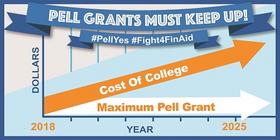
Pell grants are equally attractive to scholarships because they do not have to be paid back after graduation. However, unlike scholarships, grants are typically awarded based on financial need. The most common type of grant is the Pell grant, which is a federal grant available to both full- and part-time college students. According to the website for the White House Community College Summit, the administration is currently in the process of making more Pell grants available to needy college students in the future.
Stafford Loans
The Stafford loan is the most common type of student loan available today. There are two options with the Stafford loan:
- Federal Family Education Loan Program (FFELP) – These are loans provided by private lenders and backed by the federal government.
- Federal Direct Student Loan Program (FDSLP) – These loans are offered directly by the federal government.
Stafford loans offer both a subsidized and unsubsidized variation. The subsidized loan saves the student interest payments since the government foots the interest bill while the student is in school. The unsubsidized version interest is capitalized, and payments are deferred until after the student graduates or drops below half-time status.
This video explains how Stafford Loans work.
Perkins Loans
Perkins loans are available to community college students who show significant financial need. With this loan, funds are provided by the federal government and administered by the school the student attends. According to GoFinancialAid, the interest rates are lower, and interest payments are subsidized by the federal government during the time the student is attending school.
Work-Study
This type of financial aid allows students to earn money from a part-time job while in school. Jobs are typically located on campus, although this may vary somewhat for community college students. Positions are often related to the student’s field of study, ensuring they learn valuable skills they can take with them after they earn their degree. Work-study is a somewhat restrictive program that is not available at all institutions, so check with your community college to find out what work-study programs might be offered.
Military Aid
Those who have served in the U.S. military are also eligible for assistance in paying for community college. The Montgomery G.I. Bill pays for 36 months of education at a postsecondary institution, including a trade school or community college. In addition, military members may qualify for the Student Loan Repayment Program, Tuition Assistance or ROTC scholarships. There is also a community college for military servicemen and women, the Community College of the Air Force, in which the U.S. Air Force covers 100 percent of tuition costs through the Tuition Assistance program.
This video explains aid for students in the services.
Savings
Students who are planning ahead for college can enjoy special savings accounts that offer tax benefits, as well as a way to save for tuition costs. Section 529 Plans and Prepaid Tuition Plans offer students the chance to defer or waive tax on interest and are a much cheaper way to pay for college than student loans.
Fee Waivers
Some colleges offer fee waivers to students who qualify for this type of assistance. For example, California residents can apply for the California Community Colleges Board of Governors Fee Waiver, according to the I Can Afford College website sponsored by the California Community Colleges. This waiver is granted to students who show significant financial need, and it waives the per unit enrollment fee at community colleges across the state.
Promotions
While promotions may not foot the tuition bill for your community college, they can provide additional freebies and deals that come in handy during the financially lean college years. These promotions and sweepstakes are often geared specifically to college students and provide free computers, store gift cards and other extras to struggling students.
Employers
Some prospective community college students may find employers willing to help with the cost of tuition. This is especially true if the training earned will help the student perform his job more adeptly at his current company. Check with the human resources department of your company to find out if tuition assistance is available.
Community colleges may be getting more expensive, but the good news is there are also more options available for paying for school. From grants and scholarships to loans and savings plans, you can afford the education you need for a brighter future.
Questions? Contact us on @communitycollegereview