With the H1N1 spreading across college campuses from Washington to Massachusetts, community colleges are taking action to shelter their students from any potential outbreak.As reported by CNN, according to a presidential advisory panel, the potential spread of the virus could contribute to as many as 90,000 U.S fatalities this season. Expected to break out in the fall, experts estimate that 30 to 50 percent of the U.S. population may become infected.
Advisors further predict that schools and shared community areas pose the greatest threats for contamination and contagiousness. To prepare for an array of plausible H1N1-related challenges, community college leaders are avidly planning to confront the virus on campus.
This video reports on how to prevent the H1N1 virus.
Community College Preparation for the H1N1 Virus
As reported by the Gazette News, Prince George Community College (PGCC), located in Largo, Maryland, is one of many community colleges making preparations against the H1N1 virus. Since Prince George Community College enrolls more than 40,000 students, leaders are concerned that the large number of students enclosed in shared common areas can lead to rapid virus outbreaks. To proactively address the H1N1 threats, “The college has a pandemic team in place composed of about nine people from different departments.”
PGCC has developed guidelines to help the school employ specific responses for an array of potential H1N1 campus issues. For example, the leaders have established regulations for when and if the campus should shut down amidst an H1N1 outbreak and how many students should have confirmed cases before classes are canceled.
PGCC instructors have also been asked to find a fellow colleague who could substitute in case a staff member is ill and unable to hold lectures. In addition, PGCC’s technology staff has even created programs to allow students to submit work online in case a student is ill and/or classes are canceled.
Since early September, only eight students and staff members reported experiencing H1N1 symptoms; however, none of the actual illnesses have been confirmed to be the H1N1 virus. Despite this seemingly quiet start to the flu season, PGCC is ready to manage any potential outbreaks.
This video reports on how colleges are preparing for the virus.
What Students Can Do to Protect Themselves from H1N1
While PGCC has certainly taken efforts to react to an outbreak of the H1N1, officials have also requested that students adhere to the following health and safety guidelines to prevent the spread of the illness:
- If a student or staff member has a fever, individuals are asked to stay off campus for at least 24 hours after the fever reduces.
- If any flu symptoms seem present, individuals should seek medical attention immediately.
- If any flu-like symptoms are present, individuals are encouraged to stay off campus until symptoms subside and/or until a doctor can confirm that the illness is no longer contagious.
Similarly, college campuses across the nation are hoping to educate students on matters of personal responsibility and illness prevention. For example, students enrolled at Macomb Community College, located near Detroit, Michigan, are being reminded of optimal strategies for health and well-being: “At this time, good personal hygiene practices are still the best method of prevention, since influenza is thought to spread mainly from person-to-person through the coughing or sneezing of infected people.”
Providing students with tips from the Centers for Disease Control and Prevention, Maycomb Community College leaders are encouraging students to adhere to personal conduct guidelines such as:
- Washing hands frequently
- Washing or disposing of materials that may have come into contact with a cough or sneeze
- Carrying and using alcohol-based hand sanitizers
- Refraining from touching mucus membranes, especially the eyes, nose, and mouth
- Avoiding coming into contact with others if experiencing symptoms of the virus
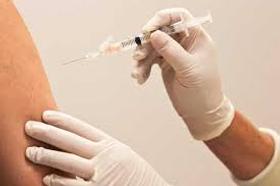
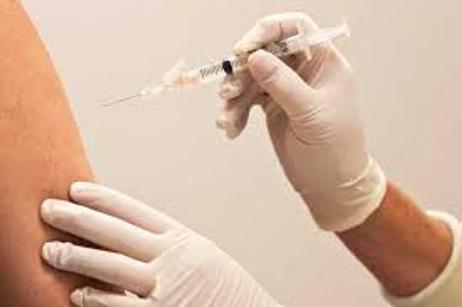
If students are concerned about their well-being or potential H1N1 symptoms, many community colleges provide individuals with free health clinic support and treatment. Additionally, most campuses provide students and staff members with discount flu inoculations, often charging individuals around $25 dollars or less for a shot. Although the flu shot will not guarantee avoidance from being infected with H1N1, medical experts and campus leaders encourage all campus members to be as proactive and responsible as possible.
Questions? Contact us on Facebook. @communitycollegereview