While organic foods are healthier than their pesticide-laden counterparts, organic options are typically far more expensive. To help students become healthier – while saving money – a rising number of community colleges are now offering organic gardening classes.
The Benefits of Organic Gardening
As The Daily Vidette reports, a rising number of consumers are embracing the many benefits of organic foods. Specifically, not only are organic foods grown without harmful chemicals, but these foods also contain up to 40 percent more antioxidants than conventionally grown crops. In addition, organic foods tend to have more nutrients, vitamins, and minerals.
This video describes the benefits of organic gardening.
Since conventional farming and gardening methods utilize fertilizers and chemicals to boost the yield of food growth, these vegetables and fruits are robbed of many of their natural healthy compounds. By avoiding these potentially less healthy foods, consumers adhering to an organic lifestyle can experience perks such as:
- Decreased risk of various cancers
- Decreased toxins in the body
- Reduced inflammation
- Decreased signs of body aches/headaches/ general pains
- Additional health and wellness benefits
Community College Organic Programs
Although organic foods are certainly healthier than their conventional options, many individuals are frustrated with the higher cost of these products. Typically, organic foods are priced about 10 to 20 percent more than traditionally farmed produce.
To help ameliorate this burden, community colleges are now offering courses to teach students about the effective processes and methods for maturing healthy organic foods. For example, Central Piedmont Community College (CPCC), located in Charlotte, North Carolina, provides students with a diverse array of organic-based courses. At CPCC, students can take organic gardening lessons and learn about specific accommodations that should be made for growing plants in the south.
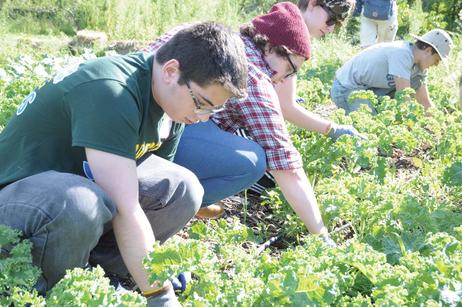
With six different courses, students get their hands dirty by actually working with plants and materials in the school’s outdoor garden! Ultimately, the CPCC classes are intended to help students learn how to use nature as a natural growing tool, as opposed to relying on harmful chemicals for growth support. CPCC courses cover gardening topics such as:
- Natural pest control
- Natural weed control
- Growing summer vegetables
- Growing flowers
- Growing healthy and natural herbs
- Watering effectively
- Season-specific healthy growth techniques
In addition to courses at CPCC, Lane Community College (LCC), located in Eugene, Oregon, also offers alternative organic gardening options. Students can also join the campus’ “Learning Garden Club.” Sponsored by LCC, the “Learning Garden” is an eco-friendly club and garden wherein students learn about the science behind various forms of plant life. As LCC further explains, “The Learning Garden offers students valuable leadership experience through planning and managing hands-on activities. This is a great opportunity to be actively involved in implementing sustainability measures on campus.”
Currently, LCC’s “Learning Garden” offers an acre of organically grown fruit and vegetable plants, as well as additional acres designated to grow other forms of plant life. To offer students healthy meal options, “Learning Garden” volunteers are provided with the harvest of their gardens, and a great deal of the organically grown food is also supplied to the Culinary Arts Department.
This video shows the Learning Garden at Lane Community College.
As the popularity of organic foods grows, so will the organic gardens sprouting forth at local community colleges.
Questions? Contact us on Facebook. @communitycollegereview